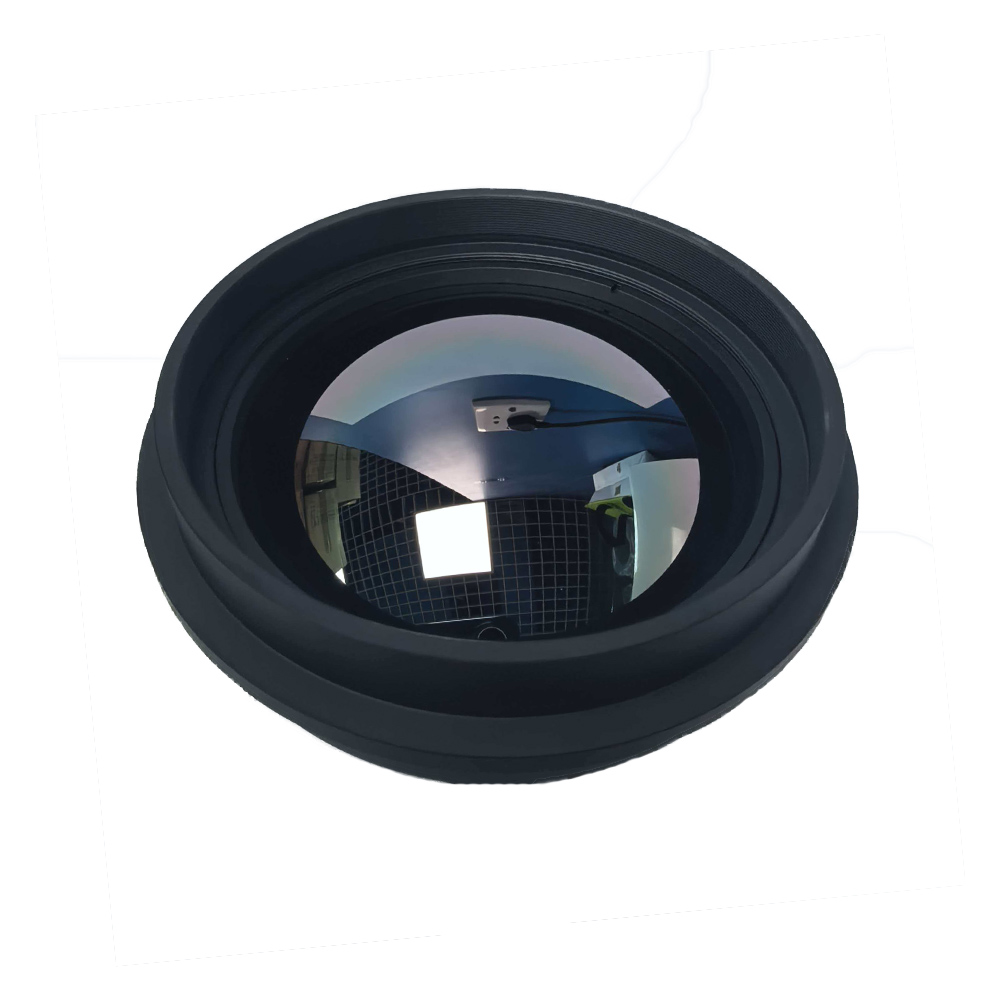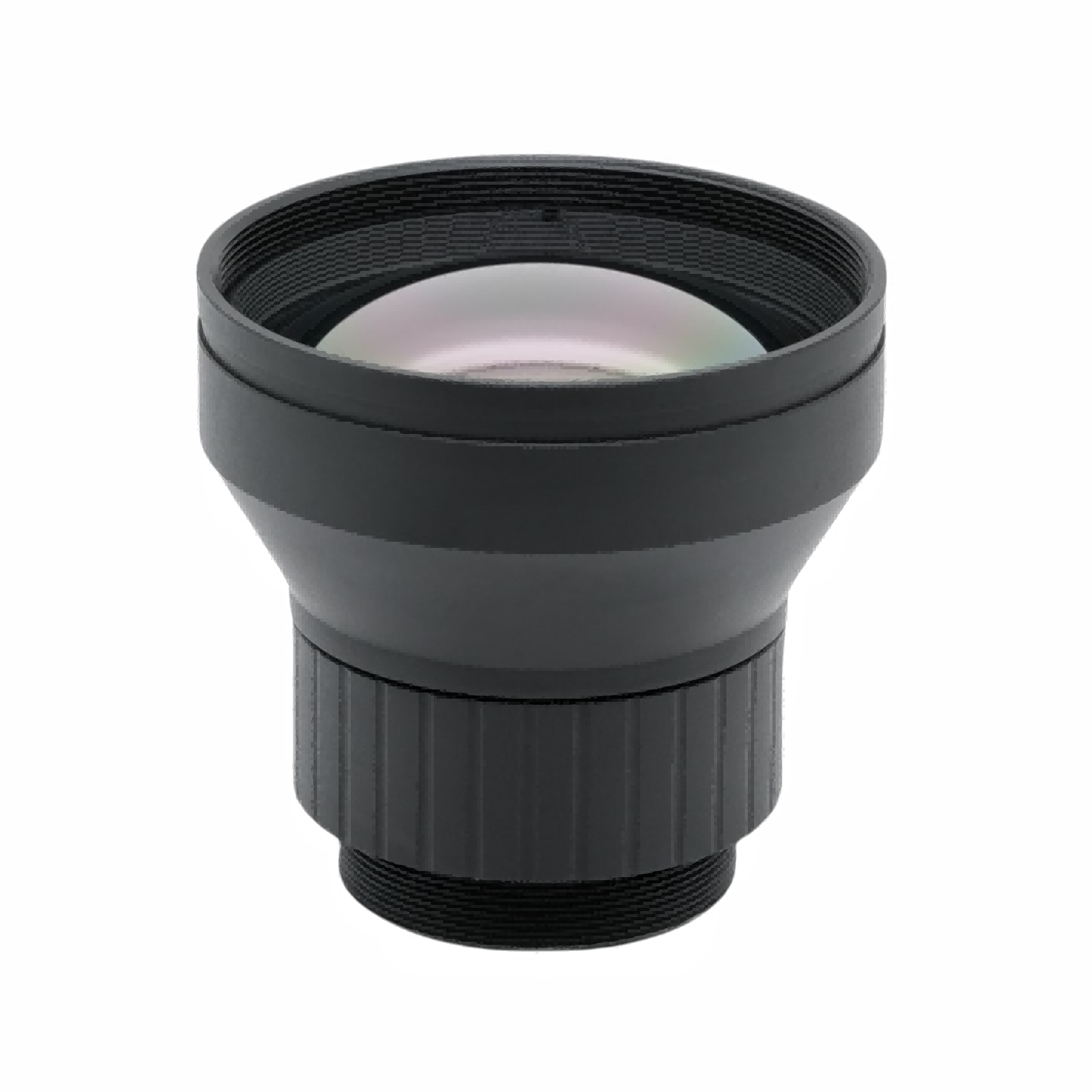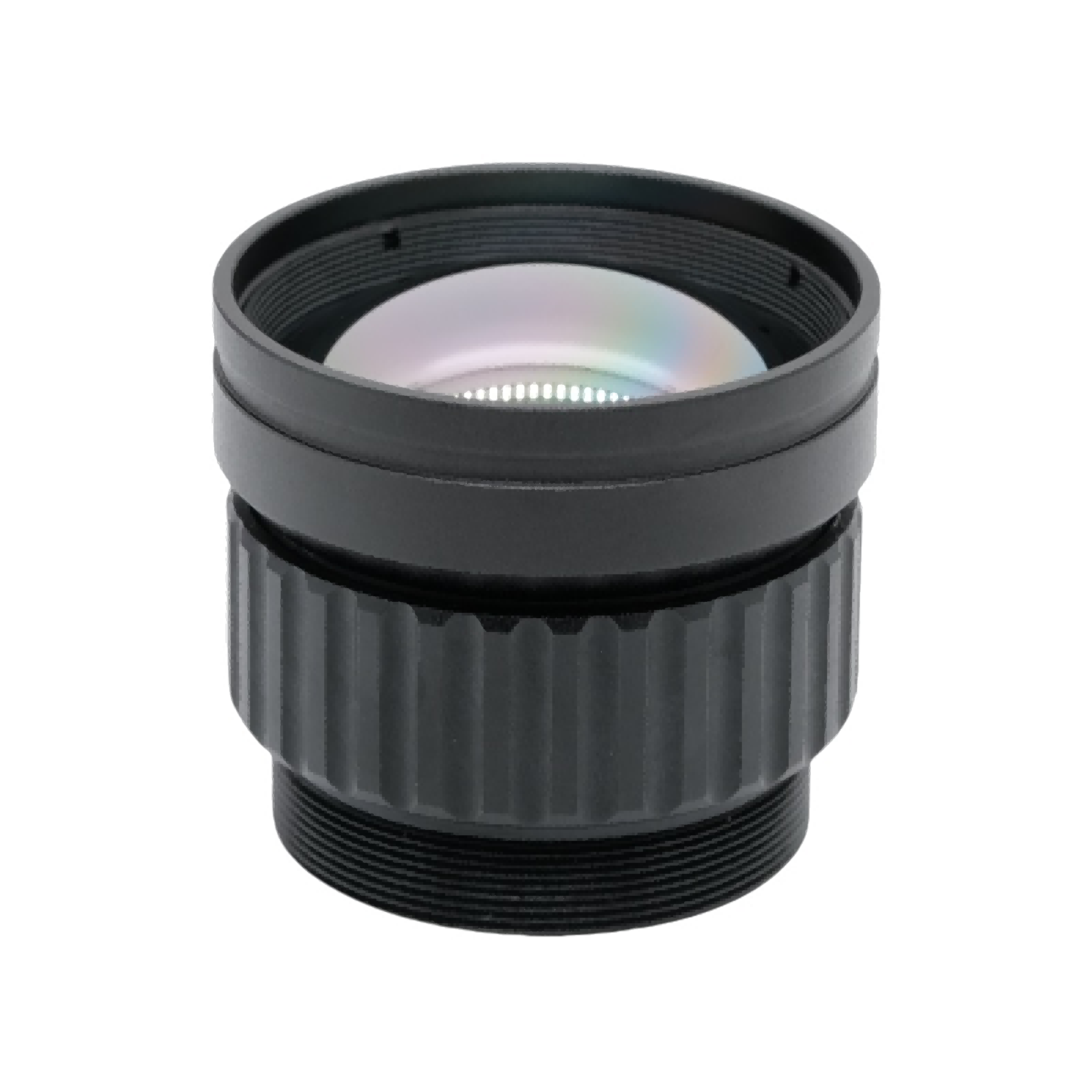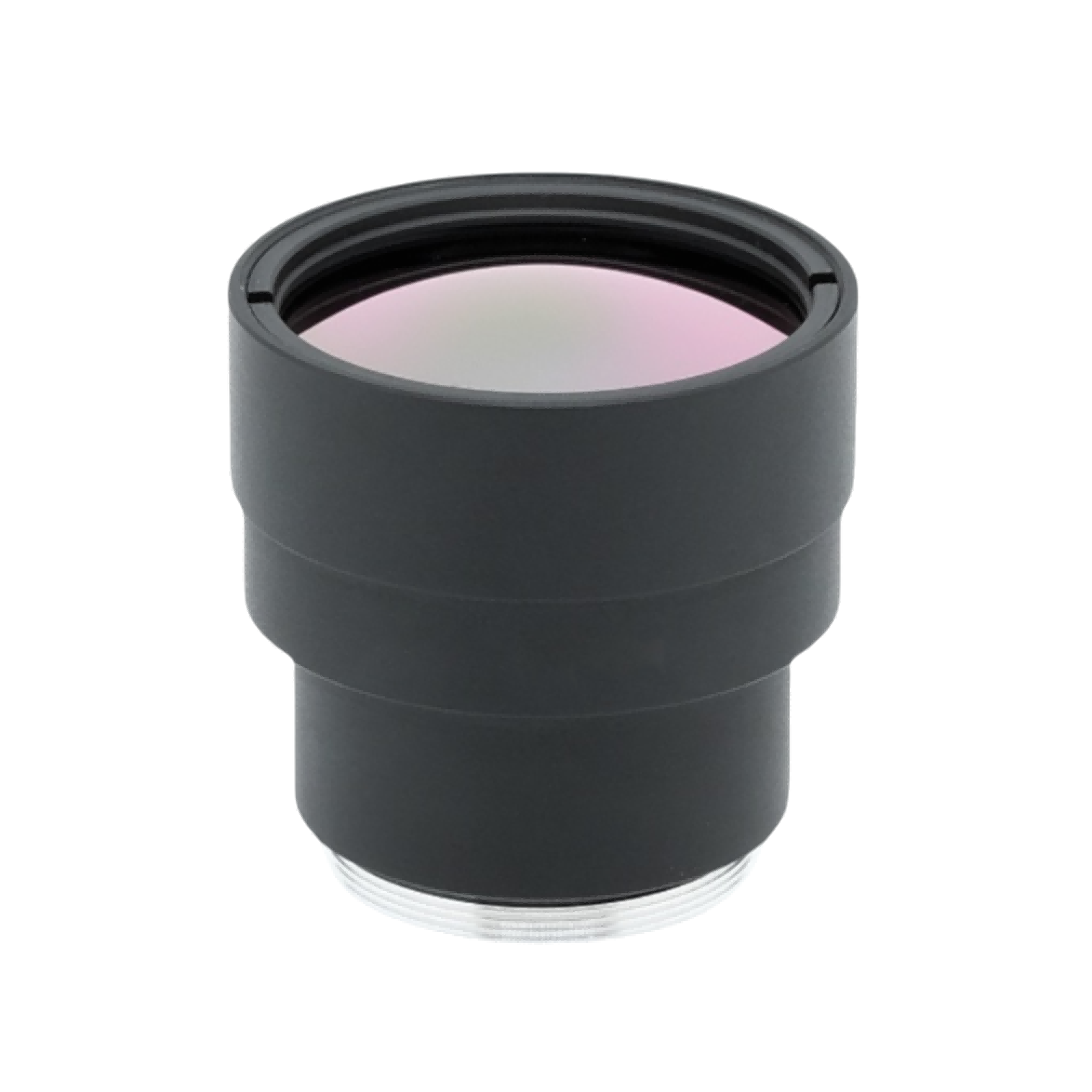
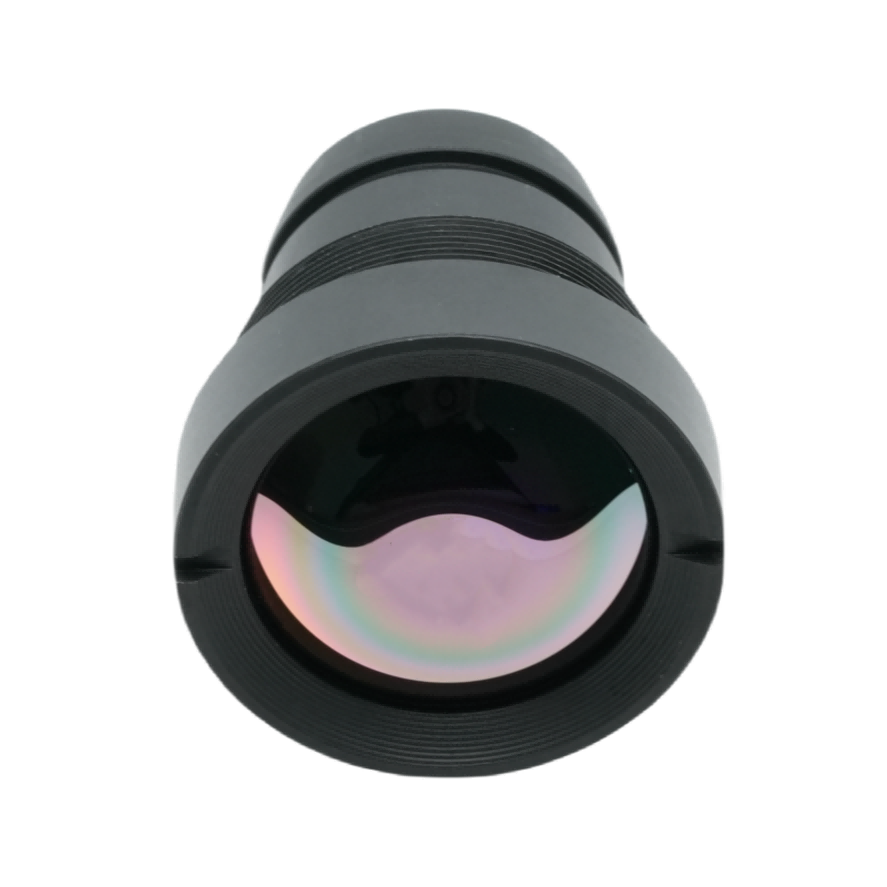
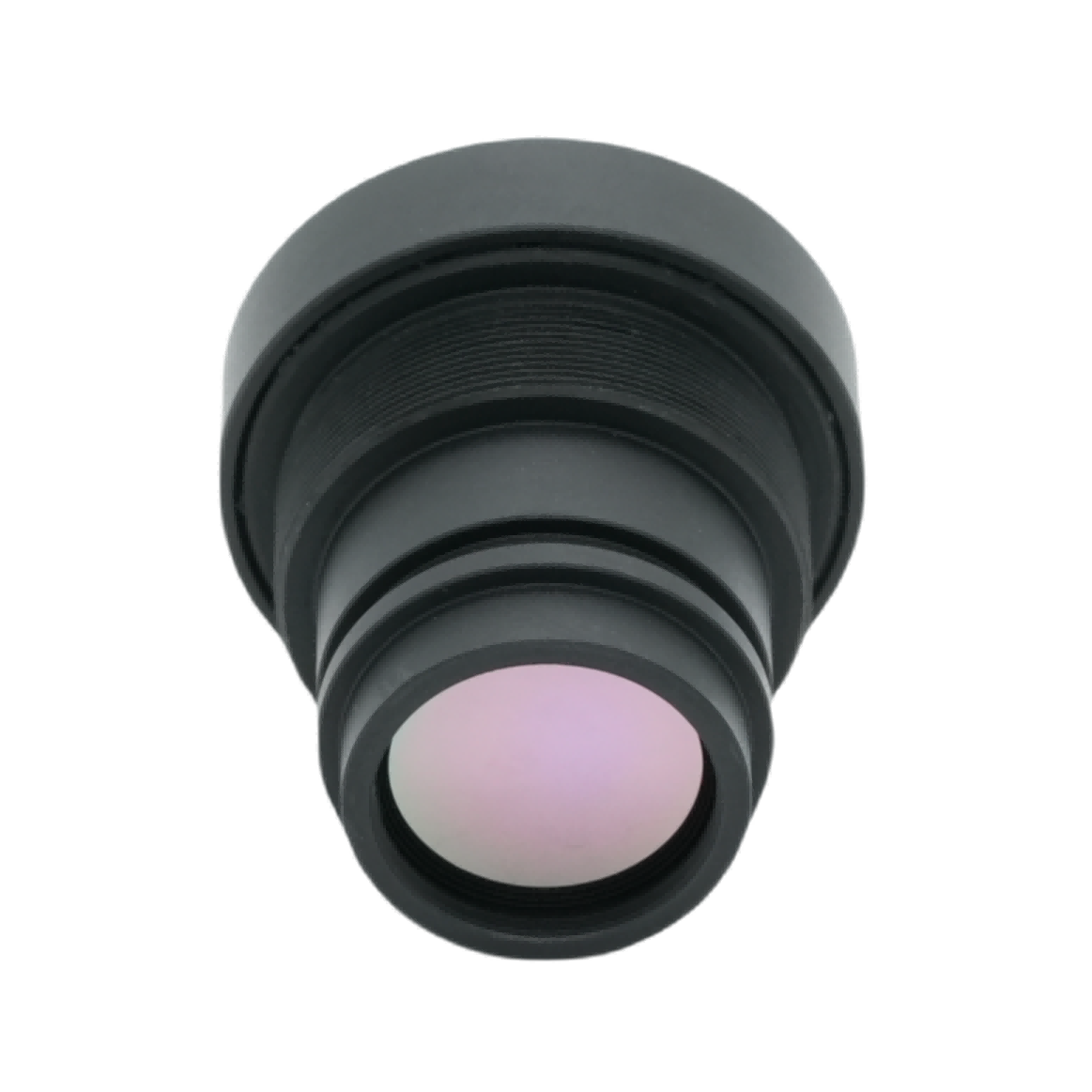
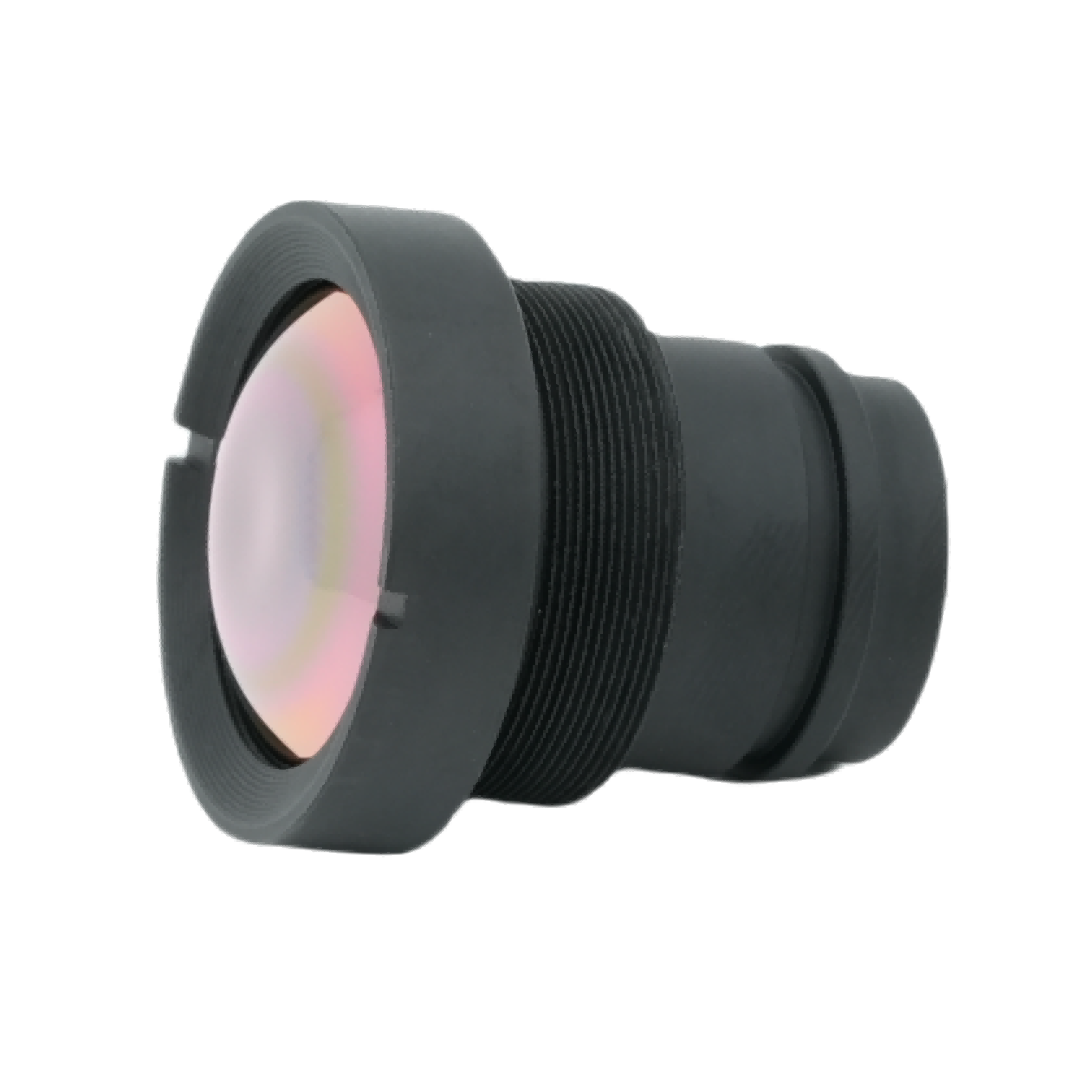
4.1mm focal length Thermal Imaging Lens
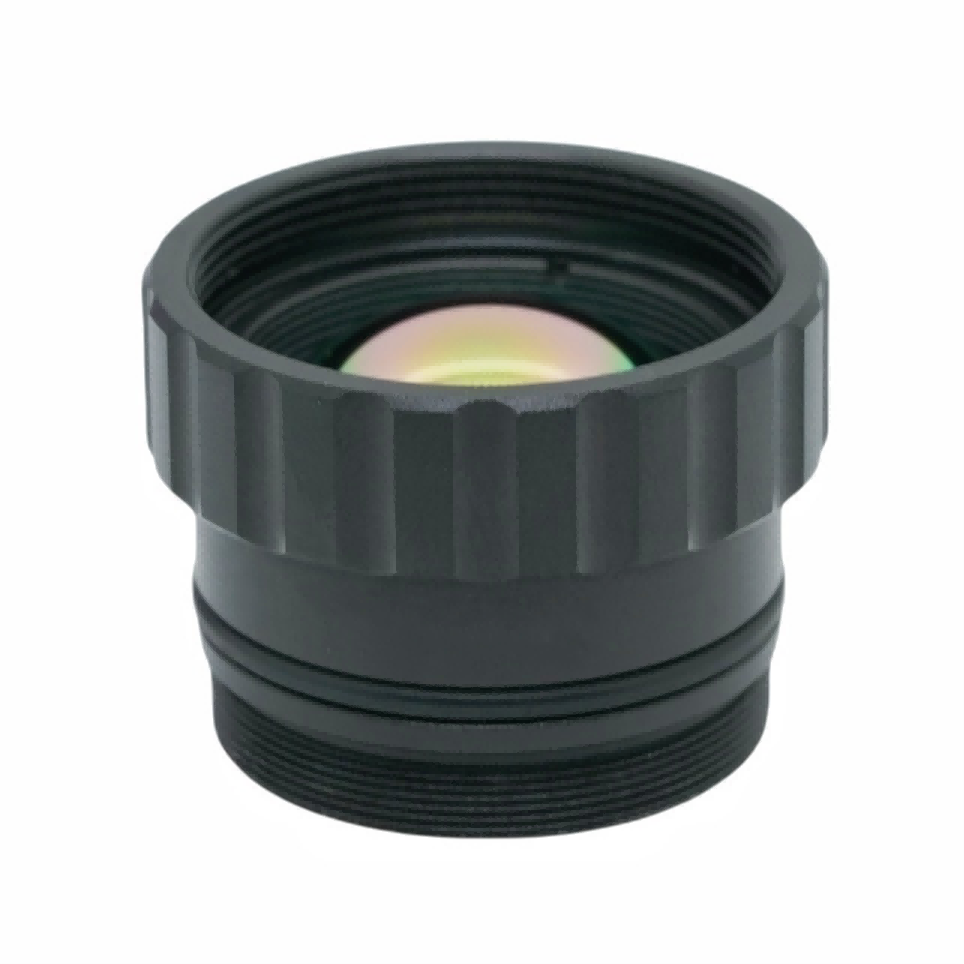
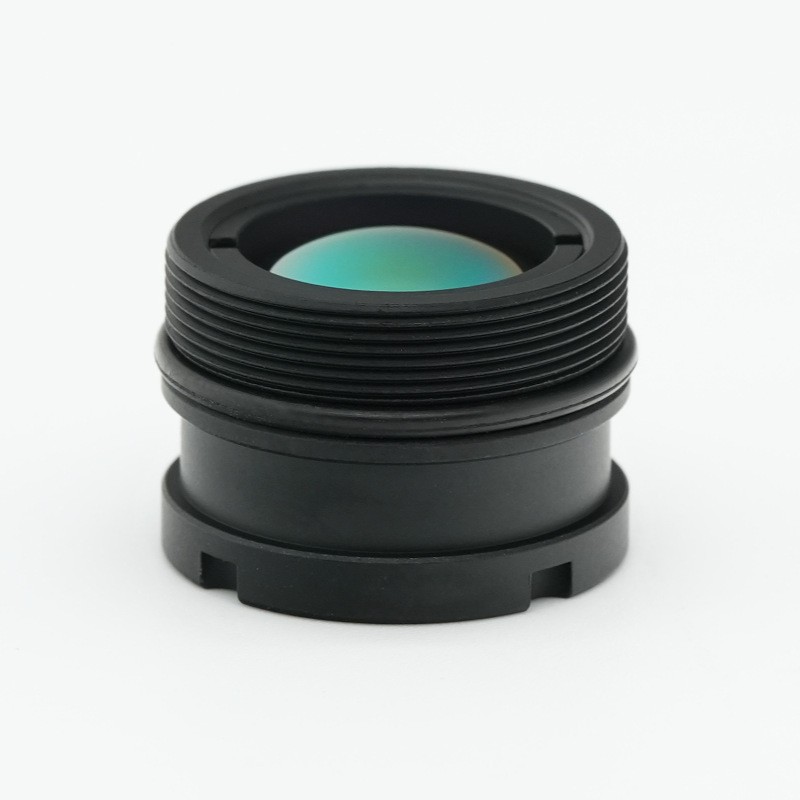
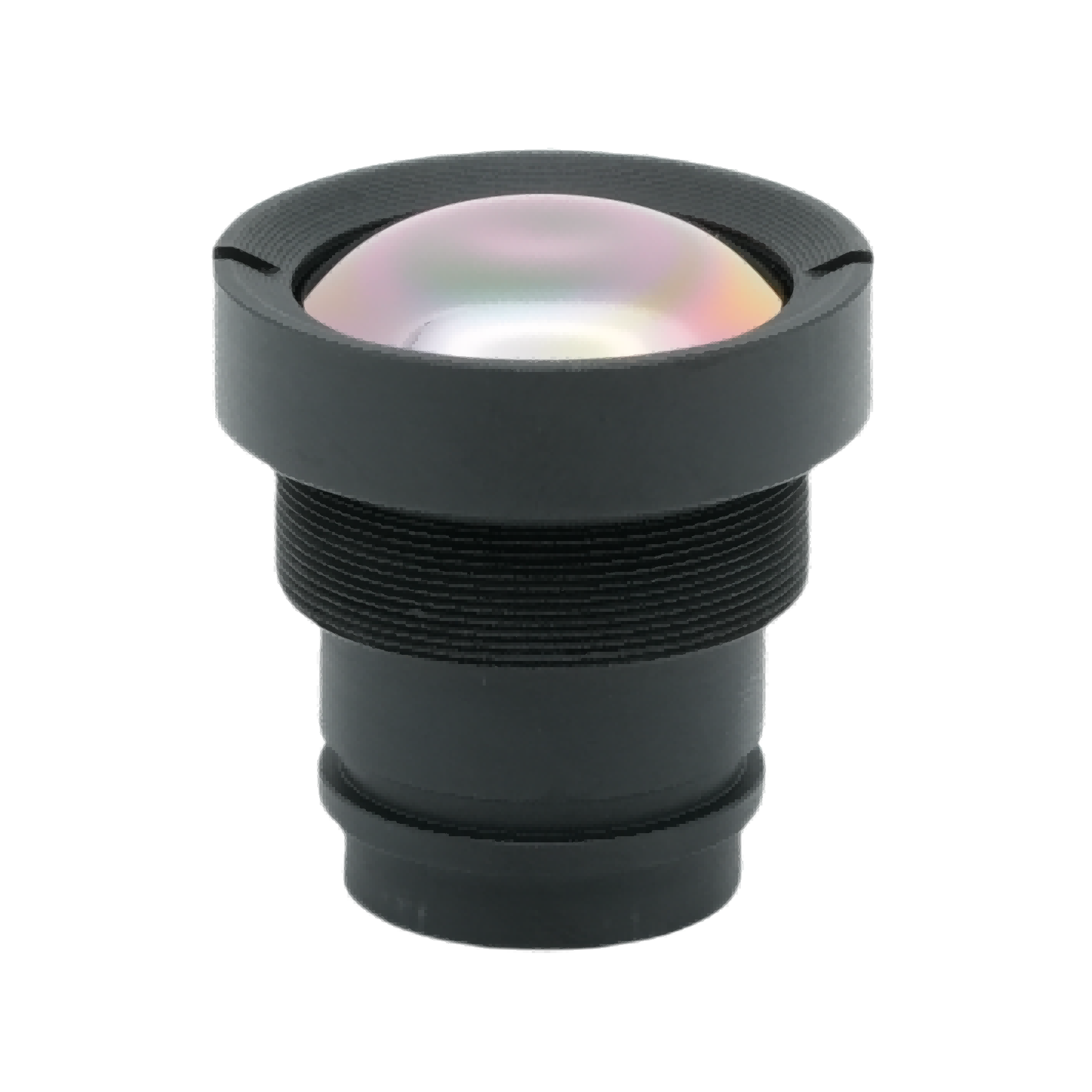
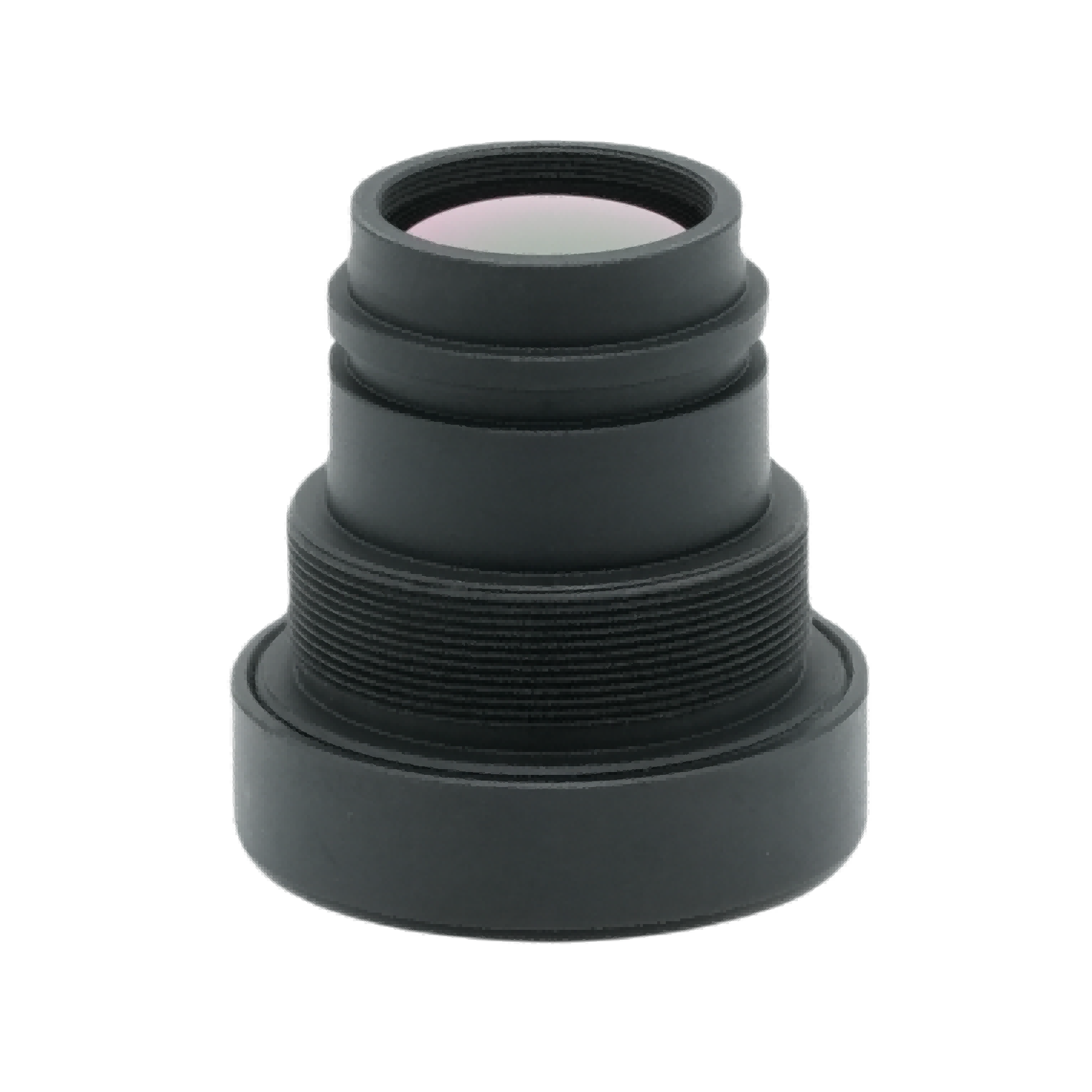
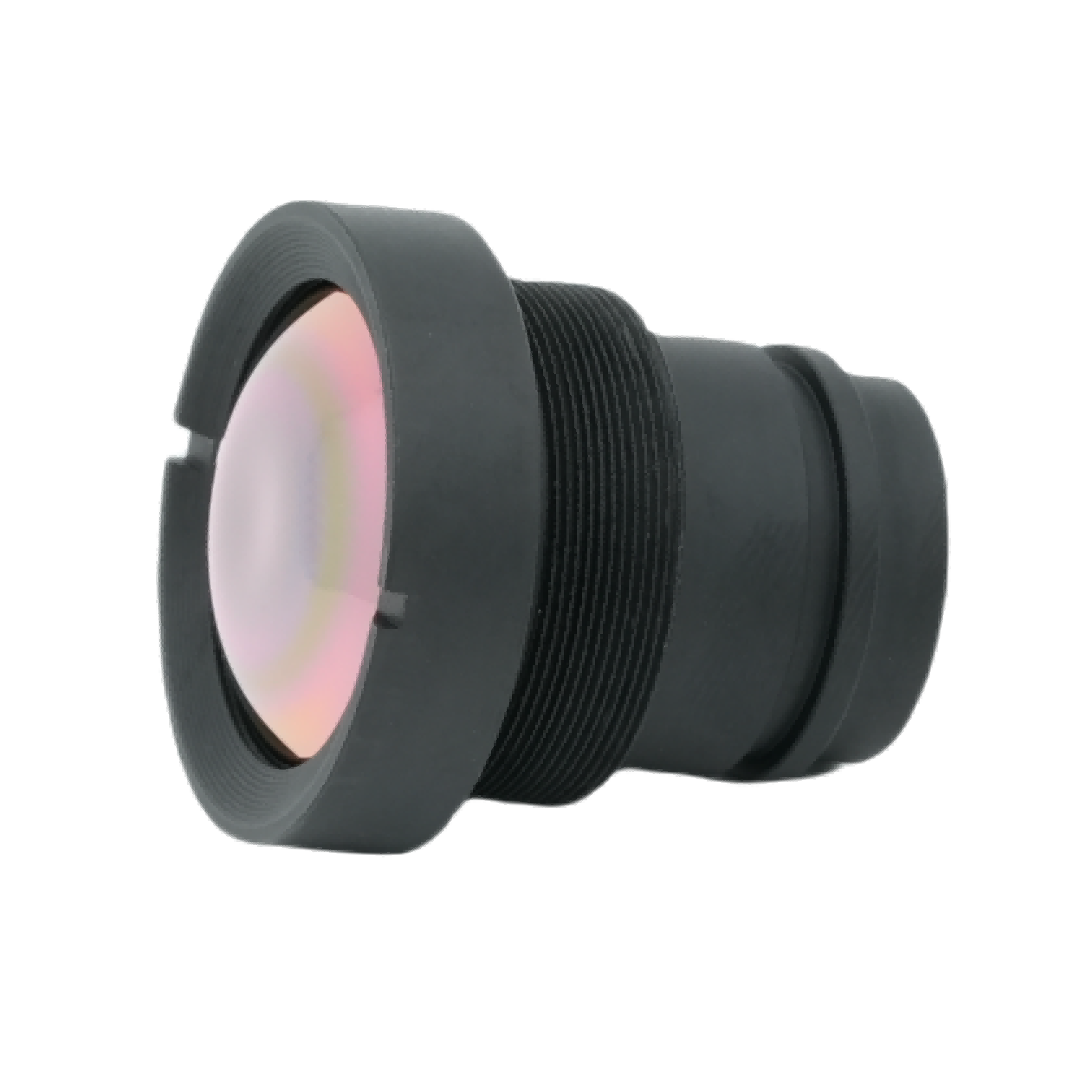
Manufactured and supplied by BOSHI Optical Technology, this F1.0 4.1mm focal length thermal imaging lens serves as an ultra‑wide‑angle infrared objective tailored for 640×512 resolution, 12μm pixel uncooled infrared focal plane arrays. This thermal infrared lens adopts advanced exposed AR anti‑reflection coating to deliver infrared transmittance above 88%. As a professional infrared optical lens from BOSHI Optical Technology, this unit comes with IP67 front lens protection, around 25g lightweight structure and reliable wide‑temperature optical stability. It supports seamless integration into compact uncooled thermal camera systems, and its wide FOV design brings broad scene coverage for diverse thermal imaging deployment scenarios.
Send Inquiry
Product Description
Product Brief
Manufactured and supplied by BOSHI Optical Technology, this F1.0 4.1mm focal length thermal imaging lens serves as an ultra‑wide‑angle infrared objective tailored for 640×512 resolution, 12μm pixel uncooled infrared focal plane arrays. This thermal infrared lens adopts advanced exposed AR anti‑reflection coating to deliver infrared transmittance above 88%. As a professional infrared optical lens from BOSHI Optical Technology, this unit comes with IP67 front lens protection, around 25g lightweight structure and reliable wide‑temperature optical stability. It supports seamless integration into compact uncooled thermal camera systems, and its wide FOV design brings broad scene coverage for diverse thermal imaging deployment scenarios.
Detailed Product Description
Parameter
Optical Specifications. This infrared optical lens features 4.1mm focal length and F1.0 ultra‑large aperture. The large aperture value brings high infrared light intake capacity. Such optical performance forms core guarantee for clear thermal infrared lens output under low‑temperature and low‑radiance working conditions.
Detector Matching. The lens is purpose‑built for 640×512 resolution, 12μm pixel infrared detectors. It achieves high matching degree with mainstream uncooled thermal sensor formats, and avoids imaging deviation caused by mismatch between lens and sensor.
Field of View. It realizes 130° diagonal, 102° horizontal, 83° vertical wide FOV. Users can obtain large‑range scene coverage without mechanical scanning components, which simplifies the overall mechanical scheme of thermal equipment.
Focus Performance. Its continuous focus range covers 0.5m to infinity. The focus capability gives consideration to close‑range inspection work and long‑distance surveillance tasks, and expands the usable distance boundary for this 4.1mm focal length lens.
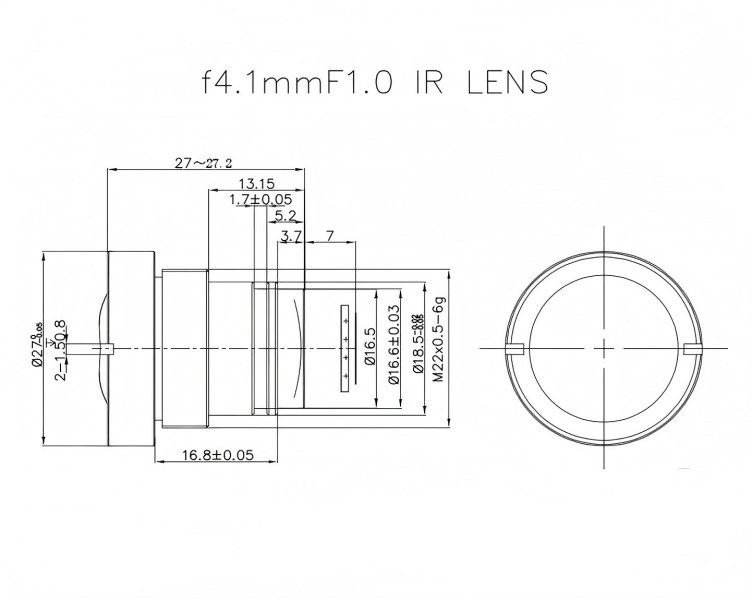
Environmental & Mechanical Index. The operating temperature range reaches -40℃ ~ +80℃. The front lens reaches IP67 waterproof and dustproof grade. It applies M22×0.5 mount standard thread interface for convenient assembly operation. The net weight stays about 25g, which creates favorable condition for lightweight equipment development.
Imaging Quality Indicators. Equipped with AR anti‑reflection coating, the optical transmittance exceeds 88%. Relative illumination stays higher than 80%. Distortion value is controlled below 45%. The set of indicators balances wide‑angle imaging feature and actual image quality performance.
| Parameter | Value |
|---|---|
| Focal Length | 4.1mm |
| F/# | F1.0 |
| Compatible Detector | 640×512, 12μm |
| Exposed Optics Coating | AR |
| Field of View | 130°(D) × 102°(H) × 83°(V) |
| Focus Range | 0.5m ~ ∞ |
| Operating Temperature | -40°C ~ +80°C |
| Relative Illumination | > 80% |
| Distortion | < 45% |
| Transmittance | > 88% |
| Mount | M22 × 0.5 |
| Front Element Ingress Protection Rating | IP67 |
| Weight | ≈ 25g |
Performance Advantages
Superior Low‑Light Thermal Sensitivity. The F1.0 maximum aperture strengthens radiant energy collection efficiency. When facing dim and low‑radiation environments, this thermal infrared lens can lift thermal image contrast obviously. It reduces image blurring risk when target infrared signal is weak.
Ultra‑Wide Coverage. The 130° diagonal wide FOV can cover larger monitoring area for single device. Project side can reduce the quantity of deployed thermal cameras for full‑area monitoring accordingly. This brings direct reduction to the overall system construction cost.
Stable Imaging Uniformity. More than 80% relative illumination suppresses vignetting phenomenon effectively. Brightness keeps consistent across the whole image frame. Over 88% transmittance cuts infrared energy loss in optical transmission path. BOSHI Optical Technology carries out repeated calibration on this infrared optical lens to secure uniform output under long‑time continuous working state.
Strong Environmental Durability. IP67 front lens protection plus wide temperature working range supports stable operation in rain, dust, extreme cold and high‑heat conditions. The lens does not rely on frequent manual maintenance, and fits outdoor and harsh industrial deployment environment.
Compact & Easy Integration. The 25g lightweight structure and standard M22×0.5 mount lower the difficulty of mechanical design for miniaturized thermal imaging devices. Equipment developers can save structural modification work during product integration.
Flexible Focus Capability. The 0.5m minimum focusing distance supports close‑target detection. Comparing with pure long‑distance fixed‑focus lenses, this 4.1mm focal length product expands application boundaries and satisfies mixed‑distance observation requirements.
Application Fields
Perimeter Security Monitoring. This wide FOV thermal infrared lens delivers wide‑angle thermal surveillance capability for factories, parks, border zones and residential areas. It completes intrusion detection work day and night without visible light supply. Perimeter security monitoring is one of key application directions for products from BOSHI Optical Technology.
Industrial Thermal Inspection. The infrared optical lens supports equipment temperature screening, electrical cabinet fault detection, pipeline thermal leakage inspection and factory safety patrol. Field staff can spot abnormal heat sources in time to prevent industrial safety accidents.
Smart Transportation & Vehicle Vision. It can be deployed for automotive thermal night vision, road traffic monitoring. Under fog, night and low‑visibility conditions, the 640×512 resolution matching performance helps finish pedestrian and obstacle identification work.
Unmanned Systems Payload. Benefiting from its 25g lightweight feature, the lens acts as lightweight thermal payload for UAVs, robots and unmanned ground vehicles. It undertakes search and rescue, wildfire monitoring and terrain patrol related missions.
Public Safety & Emergency Rescue. In fire‑fighting thermal positioning and search‑and‑rescue missions, it works well within dark, smoky or visually obscured environments. Thermal signals can penetrate partial smoke interference to lock target position.
Agriculture & Environmental Monitoring. Operators conduct vegetation temperature analysis, wildlife observation and environmental heat distribution tracking through this thermal infrared lens. It provides effective data support for agricultural research and ecological environment research.
Hot Tags: Thermal infrared lens , 4.1mm focal length , F1.0 , 640×512 resolution , M22×0.5 mount , wide FOV , IP67 , 12μm pixel , low distortion , infrared optical lens
Related Category
BlackLight lens
Starlight lens
M12 Lenses
M12 fisheye lens
Distortionless lens
Endoscope Lens
Wide Angle Lens
Customized Products
Cone Lens
Camera Lens
Thermal Imaging Lens
Medium/Telephoto Lens
Mobile Phone Camera Lens
Optical Design
Security Monitoring Lens
Send Inquiry
Please Feel free to give your inquiry in the form below. We will reply you in 24 hours.