Featured Products
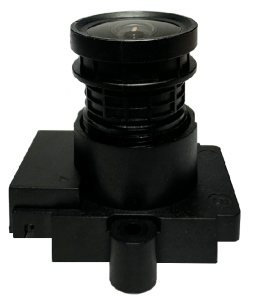
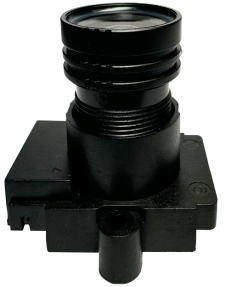
4mm 4MP FullColor F1.0 blacklight Starlight M12 lens
f2.0 8.0mm 1/2.7" M12 Lens PL069
Full Color F1.0 blacklight Starlight M12 lens 4mm
Full Color F1.0 blacklight M12 lens 4mm
8.0mm 1/2.7" M12 Lens Manual Focus
6.0mm 5MP Standard M12 F1.6 Starlight lenses
4mm 5MP Standard M12 F1.6 Starlight lenses
2.85mm 1/2.9" M12 F2.3 Security Lens PL071
8.0mm 1/2.7" M12 Lens PL069
6.0mm 1/2.7" M12 Lens PL058
2.8mm 1/2.7" Lens PL060
4.0mm 1/2.7" M12 Lens PL057



ABout US
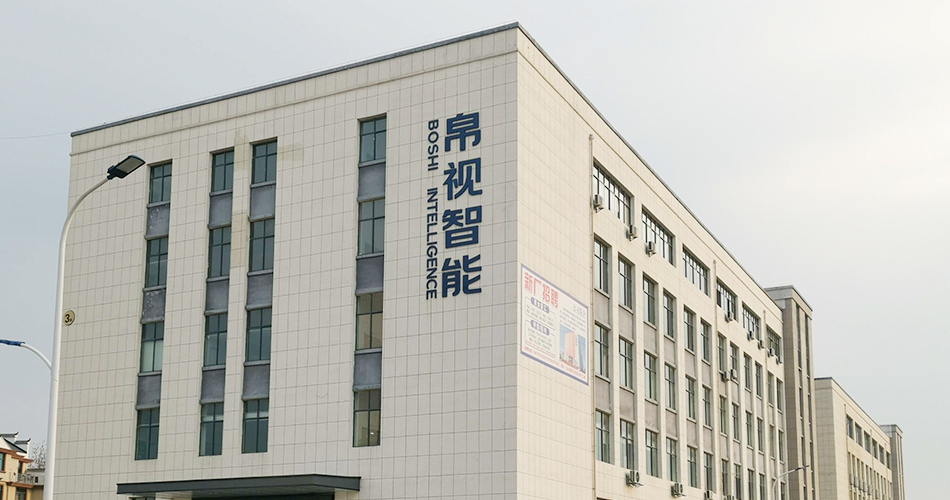
Our company was founded in 2016 and is located in Jiading Industrial Park, Shanghai.Our factory specializes in producing and selling various kinds of surveillance camera lenses and optical lenses, with an annual output value of 70 million yuan. Our company has rich experience in production, processing and technology research and development, as well as good industry resources. At present, the company's core products are mainly concentrated in the field of video surveillance equipment and medical endoscope. In the field of medical endoscope, our company has initially established its brand image and become a leading company of making it in China. We have 1 invention patent and 30 model patents already. company has a full quality system, and has passed ISO9001:2008 certification and ISO14000 environmental system certification to ensure product quality.


News
A Guide to Selecting Security Camera Lenses: How Focal Length, Aperture, and Resolution Affect Surveillance Quality
In the field of security monitoring, the lens acts as the "eye" of the camera, with its parameters directly determining the quality and practicality of surveillance. Faced with a wide array of lenses on the market, terms like focal length, aperture, and resolution often seem daunting to general users. This article demystifies these core parameters, explains their interrelationships, and provides selection recommendations for different application scenarios, helping you make informed choices.
Read More
Understanding the 4mm Security Camera Lens: What It Does and Where It Works Best
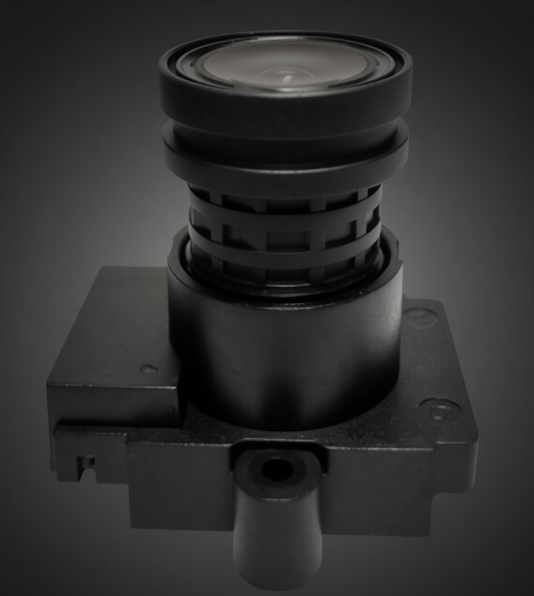
Looking for the right lens for your security camera? The 4mm fixed lens might be the unsung hero you need. Not too wide, not too narrow—it offers the perfect balance for monitoring stores, offices, entrances, and more. In this guide, we break down how it works, where it shines, its few quirks (like distortion), and why it’s a go-to choice for real-world surveillance—no engineering degree required.
Read More
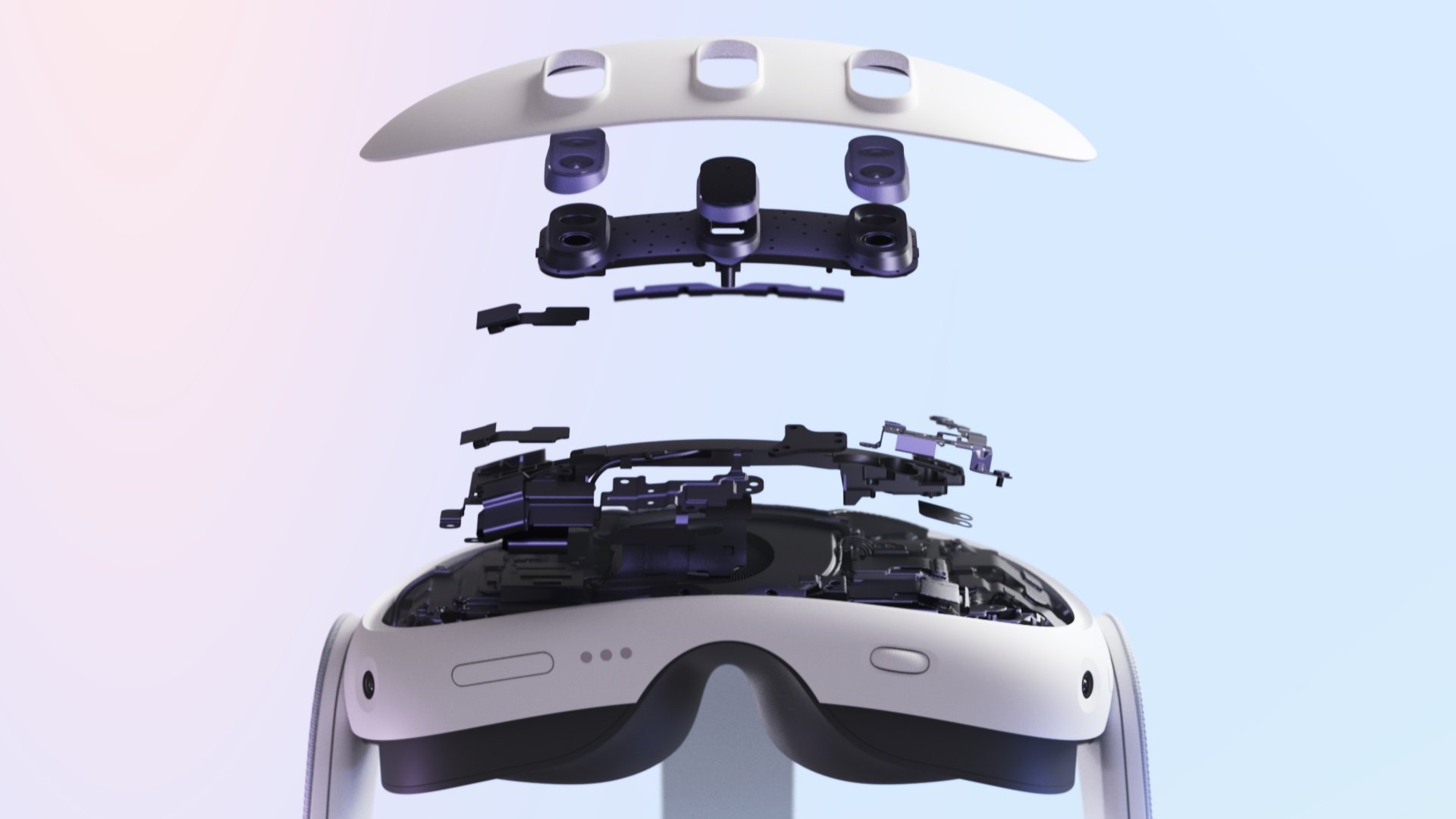
VR Optical Lenses and Optical Solutions: Technical Analysis and Application Prospects
Read More

books nourish the mind.
Read More
MOTION DV LENS
Motion DV lenses are camera accessory devices specifically designed for motion scenes. They usually have features such as anti-shake, wide-angle, and high pixel count, and are suitable for recording during outdoor activities like cycling, skiing, and fishing.
Read More
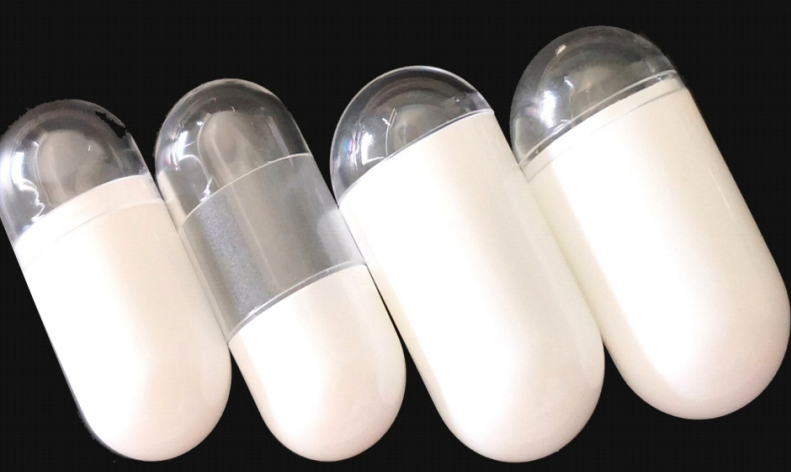
Applications of Panoramic Endoscopic Imaging; Lens Manufacturer
Panoramic endoscopic imaging is currently primarily applied in capsule endoscopes and large-field-of-view colorectaloscopes. The development of capsule endoscopes is highly diverse, with practical applications ranging from ordinary ultra-wide-angle lenses to the stitching of images from multiple cameras. The large field of view in colonoscopes is mainly achieved through multi-camera image stitching and multi-perspective display. The following section discusses the application of panoramic endoscopic imaging technology in these two types of endoscopes, considering the related diseases requiring diagnosis and treatment.
Read More
New Products
4mm 4MP FullColor F1.0 blacklight Starlight M12 lens
Full Color F1.0 blacklight Starlight M12 lens 4mm
Full Color F1.0 blacklight M12 lens 4mm
6.0mm 5MP Standard M12 F1.6 Starlight lenses
4mm 5MP Standard M12 F1.6 Starlight lenses
2.8mm 1/2.7" Standard M12 Lens PL099
4mm Standard M12 Starlight lenses
Full Color F1.0 blacklight lens 4mm