

News
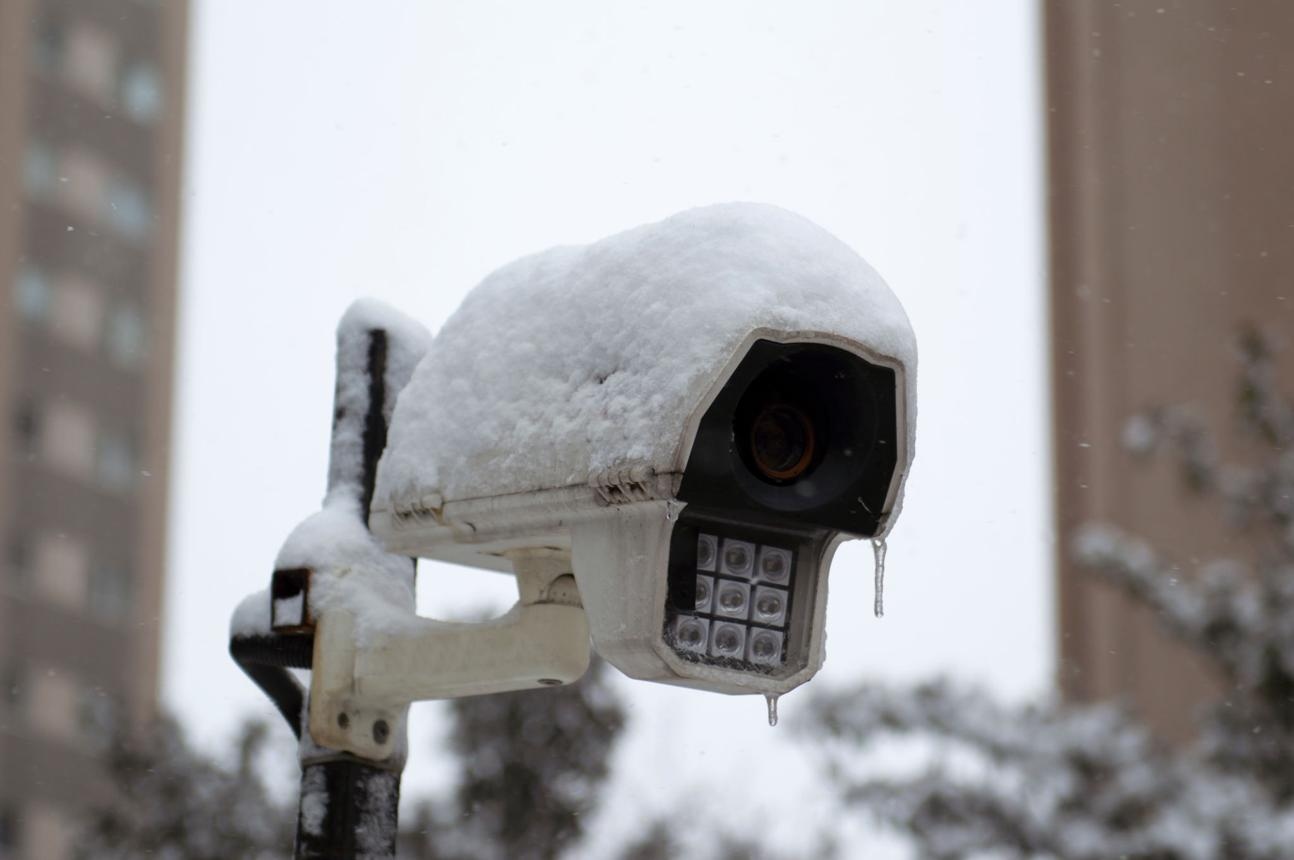
Why Do Camera Lenses Need to Survive Temperature Changes
This article explains why camera lenses must withstand temperature changes. A lens is both an optical and mechanical system: barrels, spacers, adhesives, and optical elements expand and contract at different rates, shifting element spacing and focus. Even if nothing breaks, the point of best focus c......
Read More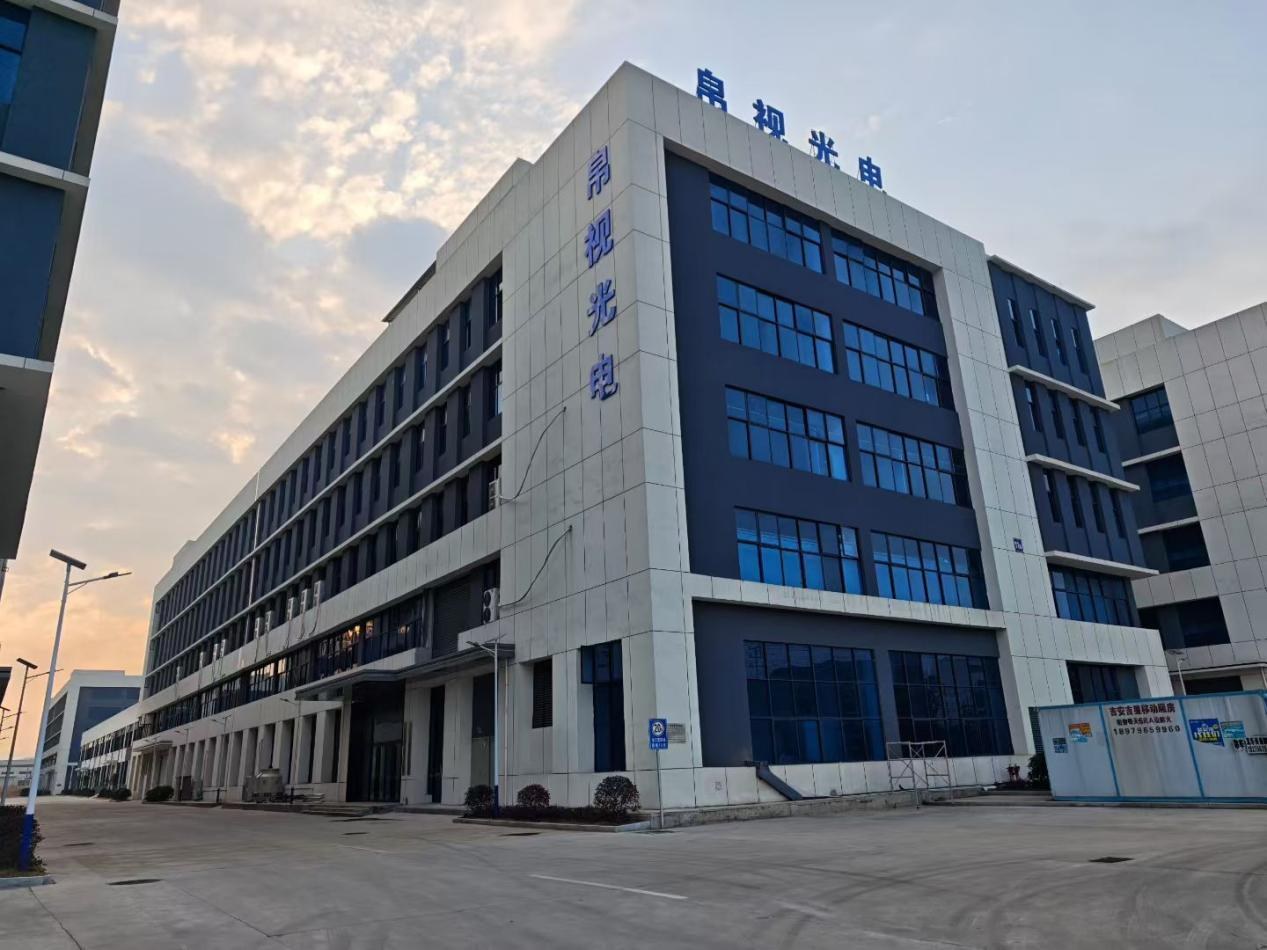
Inside Boshi Optics’ New Factory in Jiangxi: Building a Complete Optical Lens Manufacturing Chain
BOSHI Optics has expanded its manufacturing network with a new factory in Suichuan, Ji'an, Jiangxi—its third facility alongside Shanghai and Shangrao. The Ji'an plant covers 15,450 m² with 200+ staff and an annual capacity of ~9 million lens sets, covering optical cold processing to lens assembly. C......
Read More
CIOE 2026 Recap: Exploring Optical Lens Solutions with Global Customers
The 27th China International Optoelectronic Expo (CIOE 2026) was held from September 9 to 11 at the Shenzhen World Exhibition & Convention Center in Bao'an, bringing together companies, engineers, buyers, and professionals from across the global optoelectronics industry.Boshi Optics participated in ......
Read More
BOSHI Optics Company Introduction
BOSHI Optics (Shanghai Silk Optical Technology) is an optical lens manufacturer established in 2016, with roots tracing back over 30 years in China's optical industry. The company has 300+ employees, ~40,000 m² of manufacturing space, 15+ automated assembly lines, and capacity up to 15 million units......
Read More
Are Plastic Camera Lenses Really Inferior to Glass?
This article challenges the assumption that glass lenses are always superior to plastic. Optical-grade polymers offer manufacturing flexibility, lighter weight, and cost advantages for high-volume production. Glass remains valuable for thermal stability and demanding environments. Many modern lenses......
Read More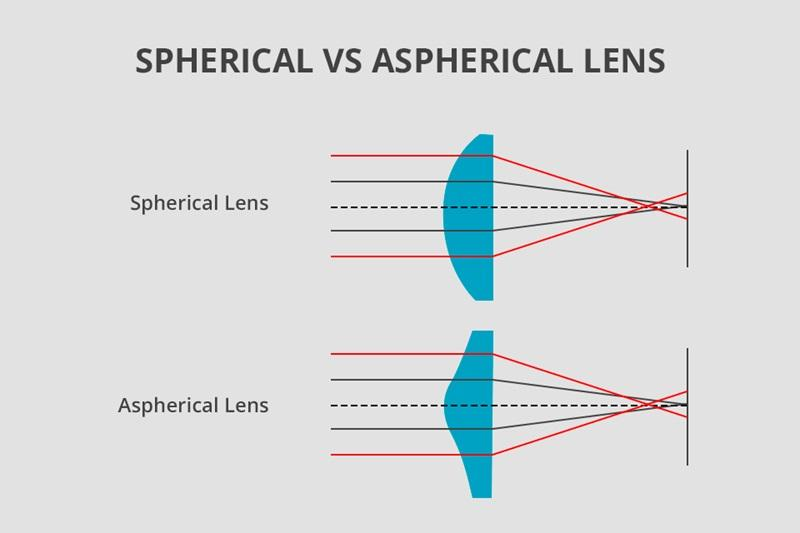
Why Aspherical Optics Are Everywhere in Modern Cameras
Aspherical optics are widely used in modern cameras because they correct spherical aberration and allow designers to achieve high resolution, wide fields of view, and large apertures in compact packages. Unlike spherical surfaces with constant curvature, aspherical surfaces vary gradually from cente......
Read More