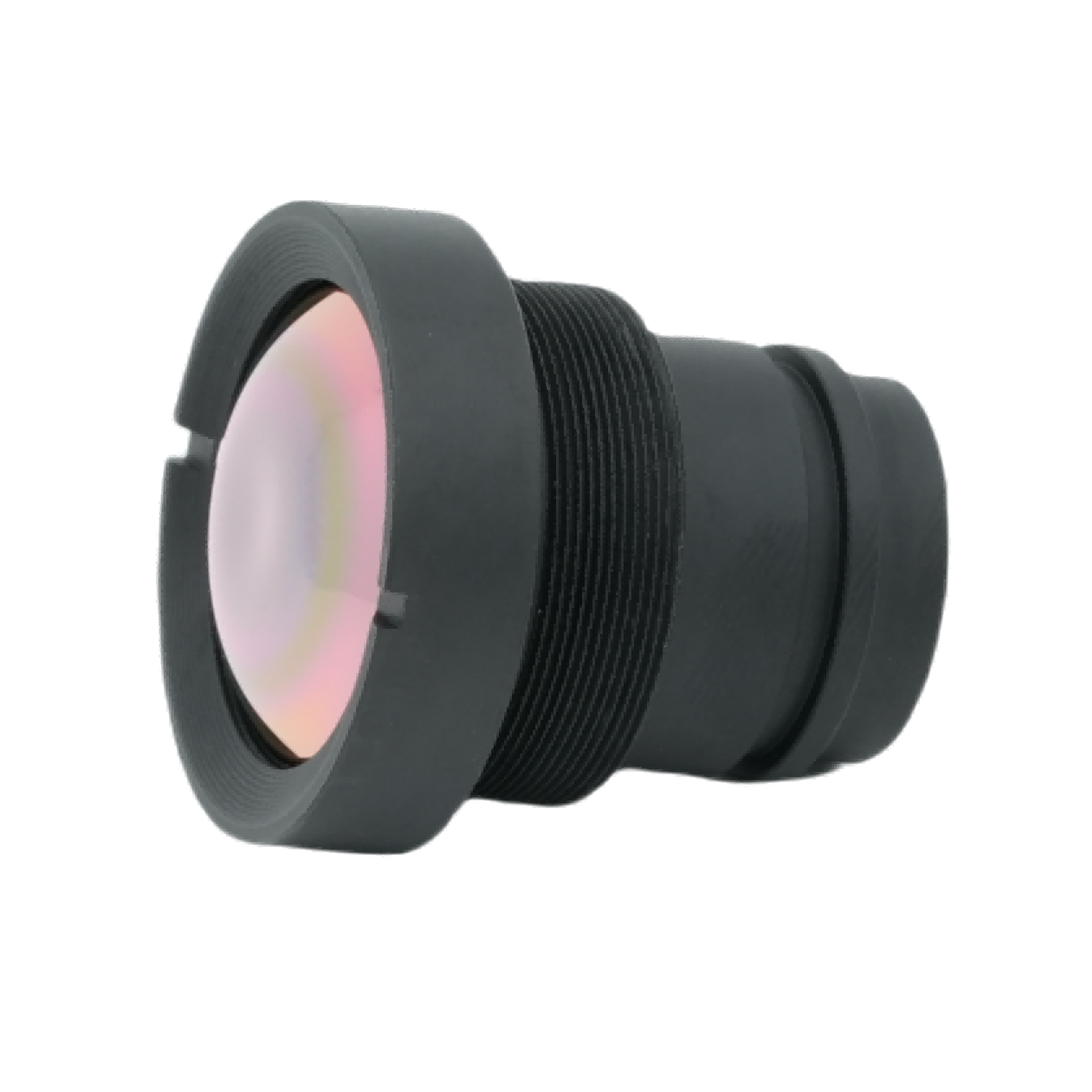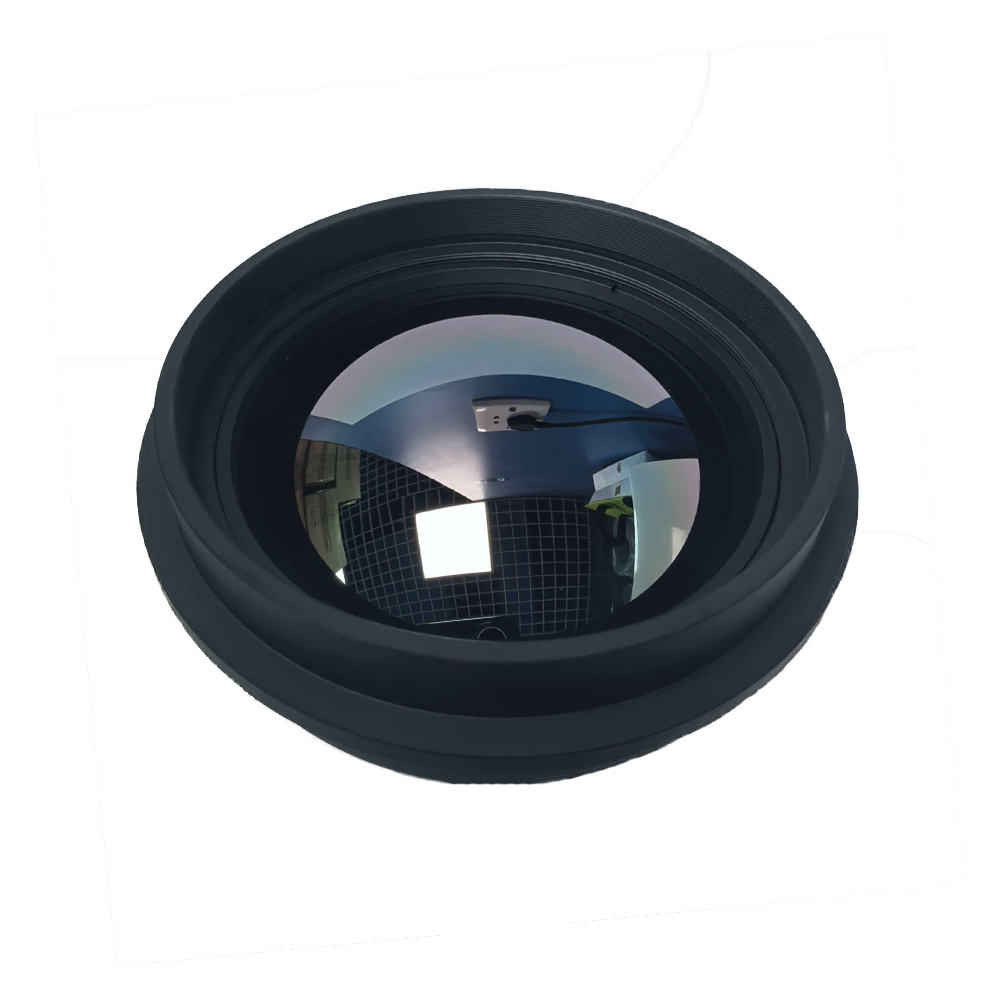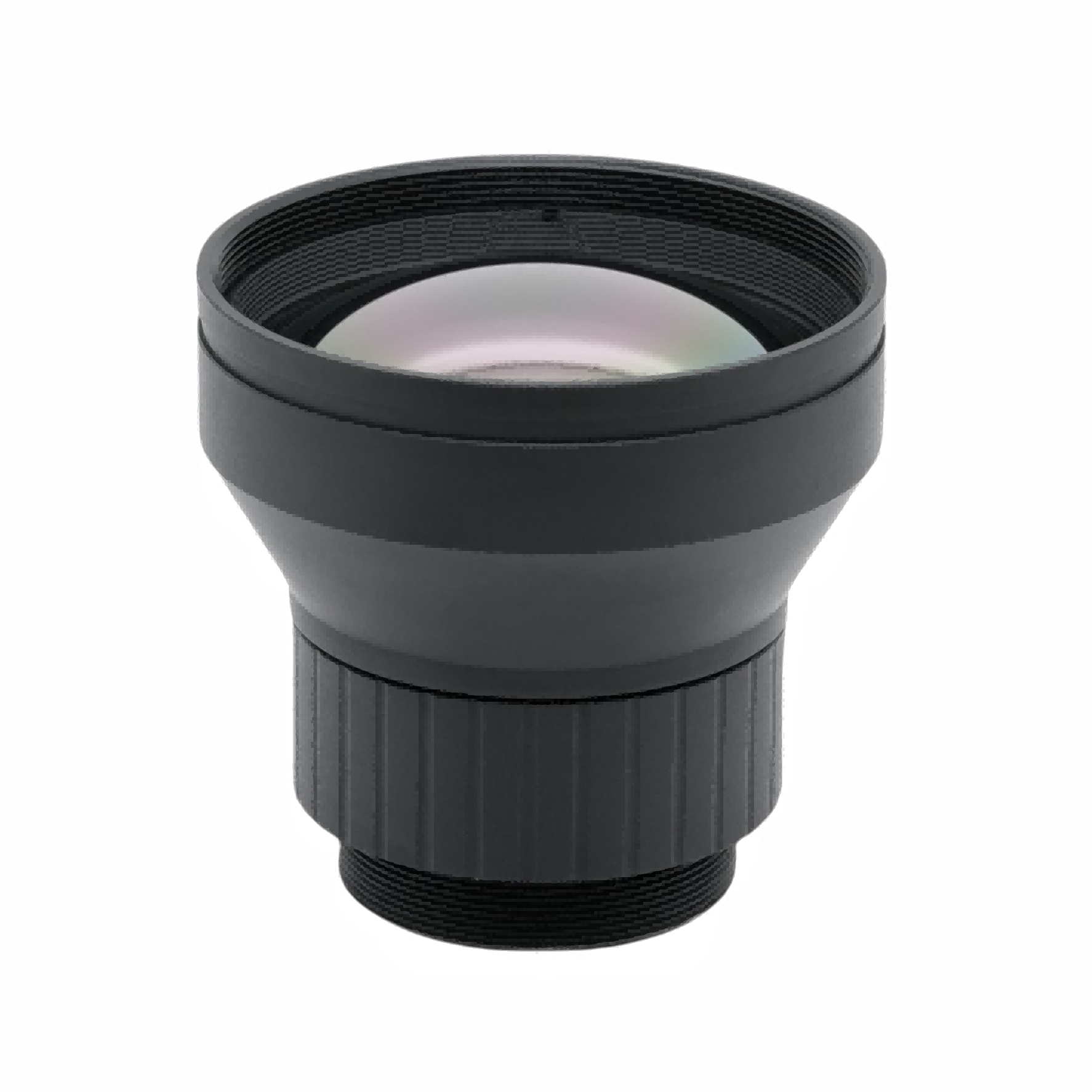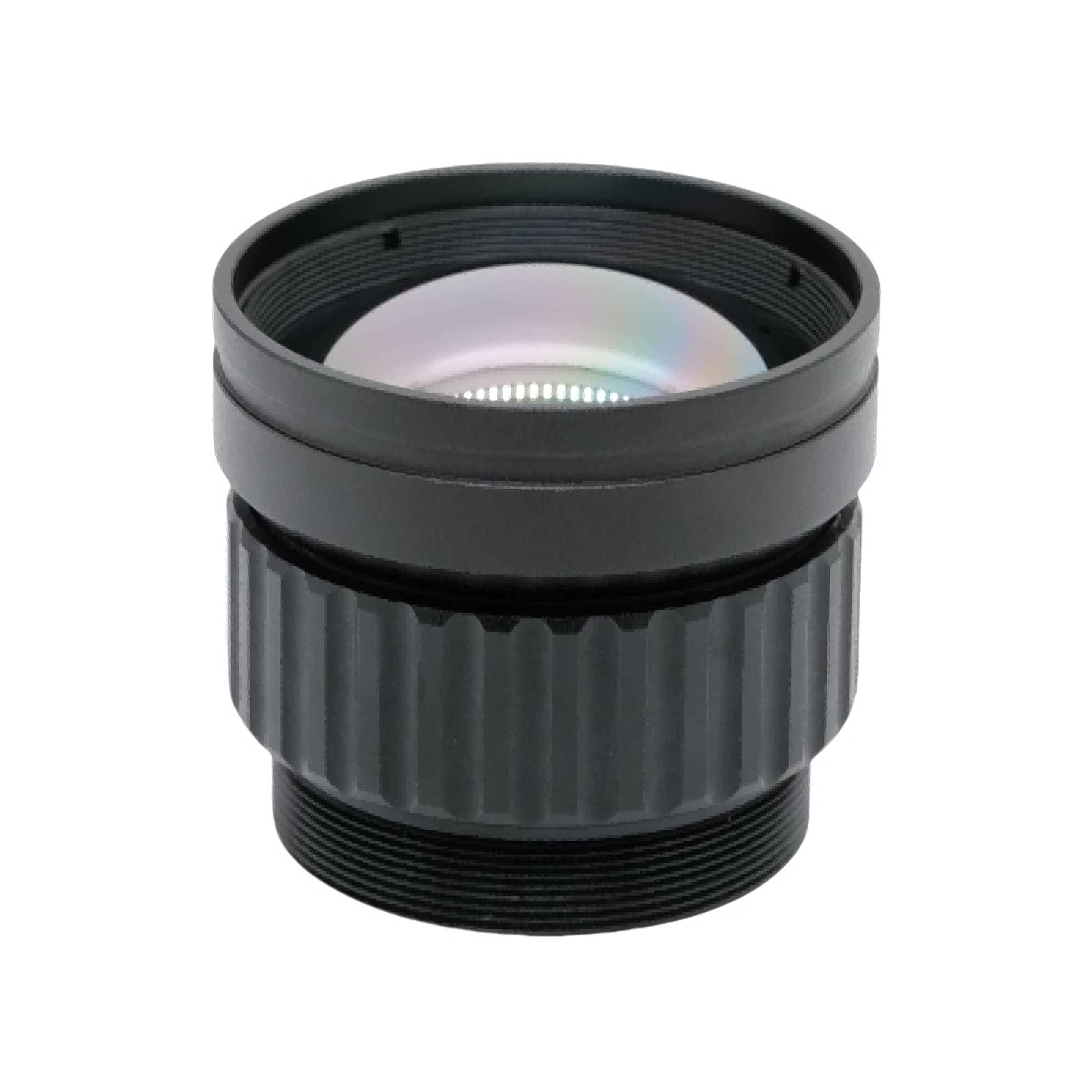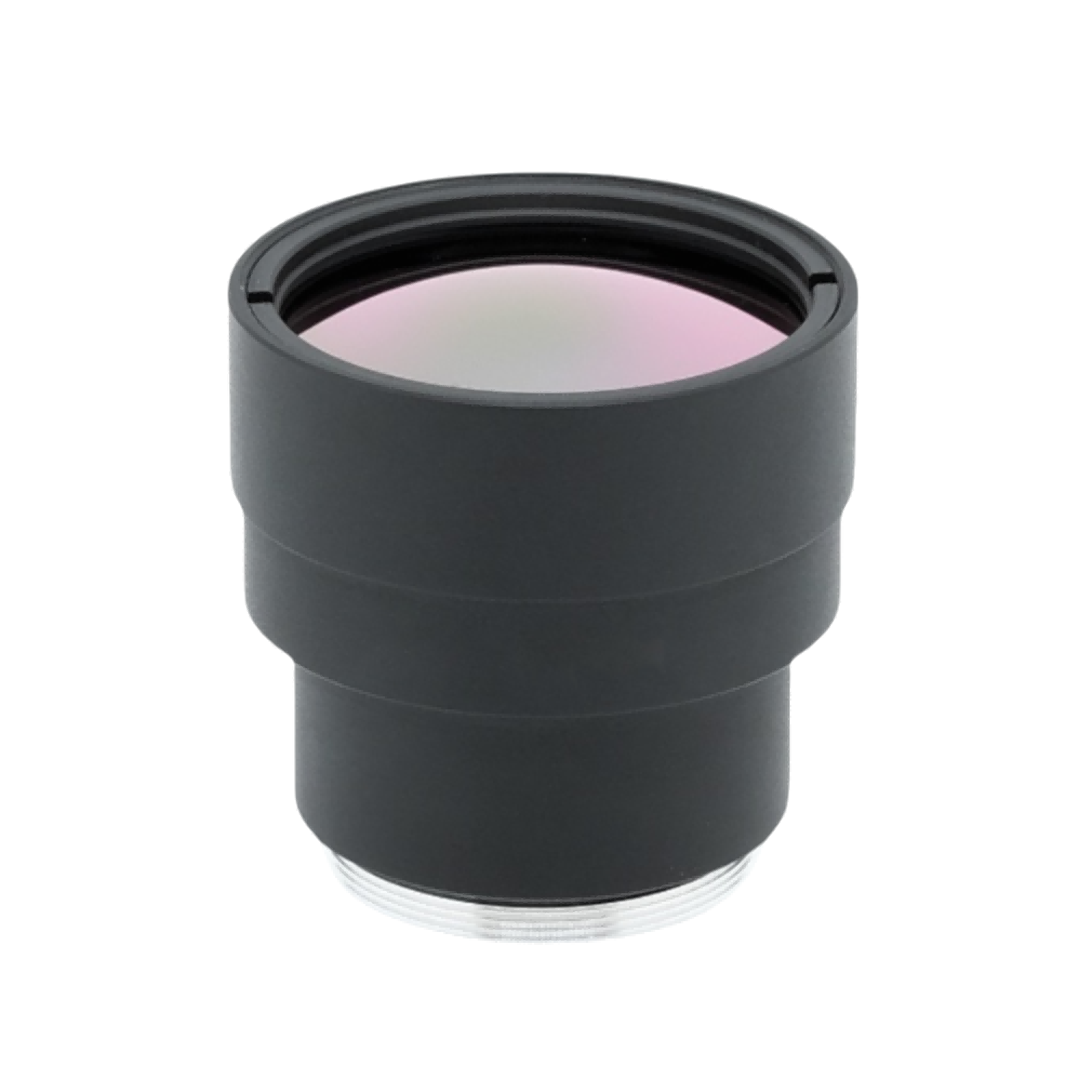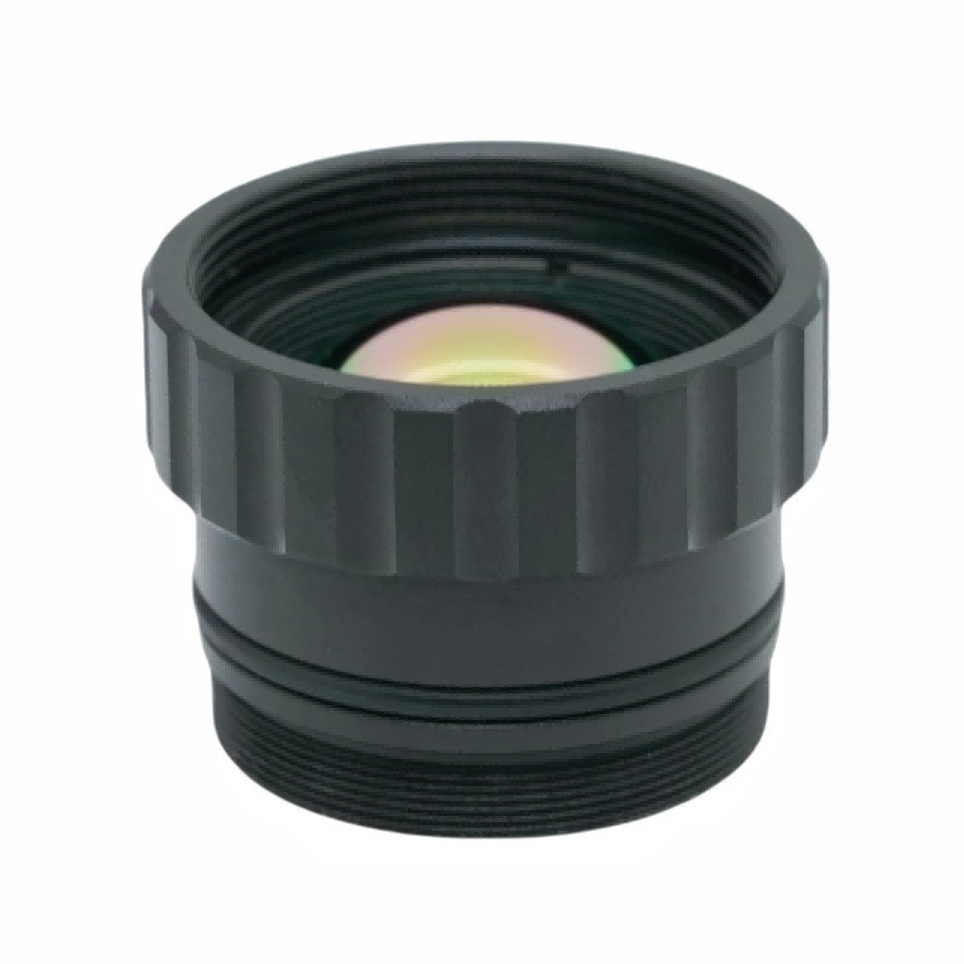
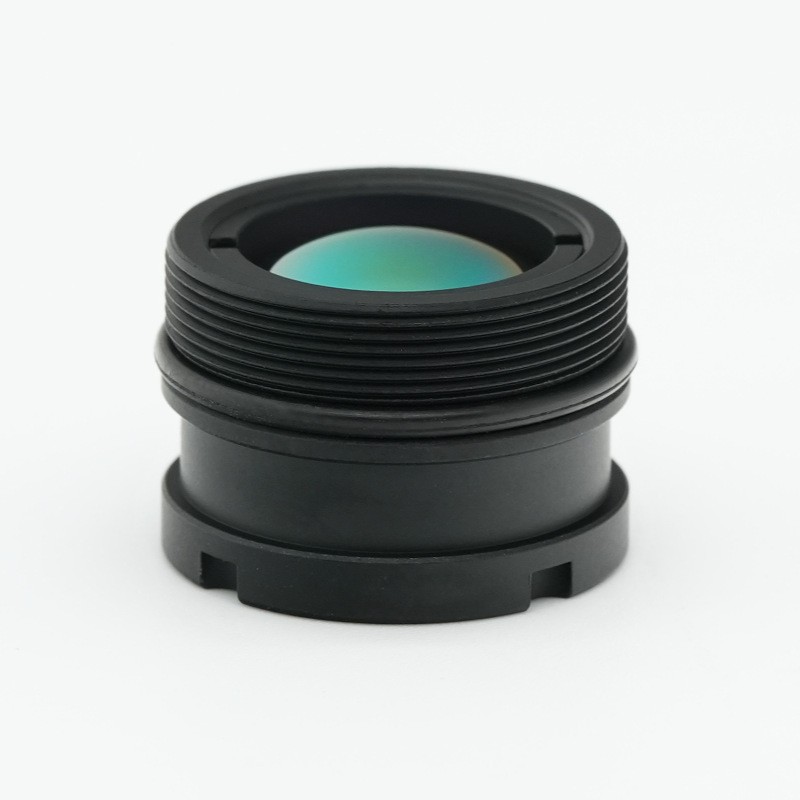
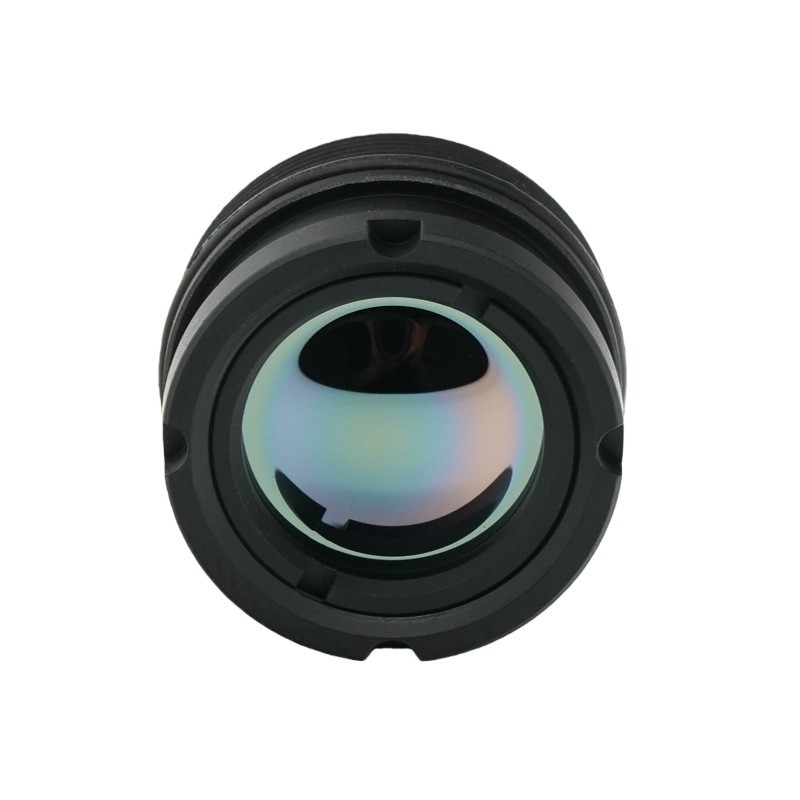
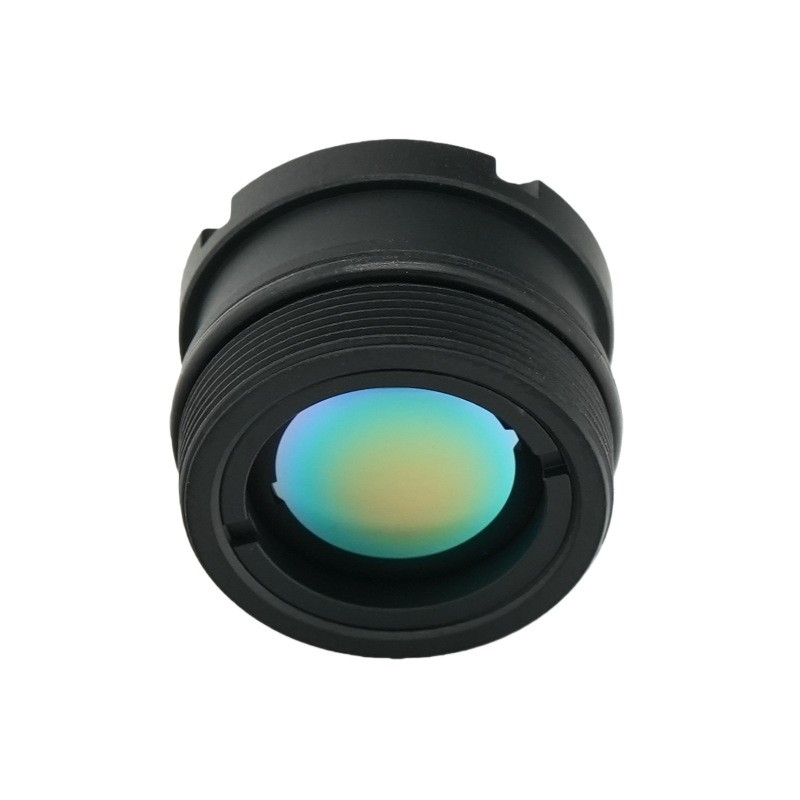
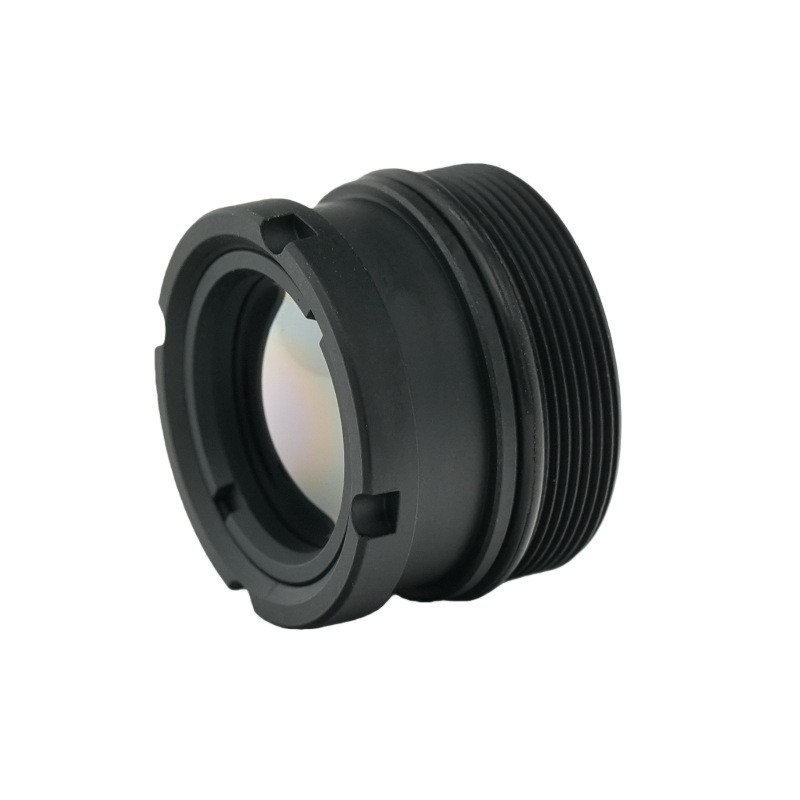
M17 9.1mm Thermal Imaging Lens
Manufactured by BOSHI Optical Technology, this premium uncooled M17 9.1mm Thermal Imaging Lens delivers reliable optical performance for compact portable thermal camera devices. This 9.1mm focal length long wave infrared lens features ultra large F1.0 aperture and matches 640×512 12μm detector perfectly. With HD coating and IP67 front‑element protection, it maintains stable output across wide temperature range for all‑weather outdoor deployment.
Send Inquiry
Product Description
Product Brief
Manufactured by BOSHI Optical Technology, this premium uncooled thermal imaging lens delivers reliable optical performance for compact portable thermal camera devices. This 9.1mm focal length long wave infrared lens features ultra large F1.0 aperture and matches 640×512 12μm detector perfectly. With HD coating and IP67 front‑element protection, it maintains stable output across wide temperature range for all‑weather outdoor deployment. It serves as ideal optical core for industrial monitoring, security inspection and multiple field application scenarios, offering high transmittance, good relative illumination and well controlled distortion to support clear thermal image capture.
Detailed Product Description
Parameter
1. Optical performance parameters. This long wave infrared lens adopts 9.1mm focal length and F1.0 aperture. Its working wavelength covers 8‑12μm long wave infrared band. Diagonal field of view reaches 62.4 degrees, horizontal field of view reaches 48.1 degrees and vertical field of view reaches 38.5 degrees. Such wide field of view supports large area observation tasks. Large aperture design collects sufficient infrared radiation under complex ambient conditions for steady thermal imaging.
2. Detector matching parameters. Developed by BOSHI Optical Technology, this uncooled thermal imaging lens is optimized for 640×512 detector with 12μm pixel pitch. Its optical structure fits mainstream compact thermal sensor modules on market. The optical footprint precisely aligns with detector target surface, giving full play to detector resolution and avoiding image vignetting or resolution waste caused by mismatching.
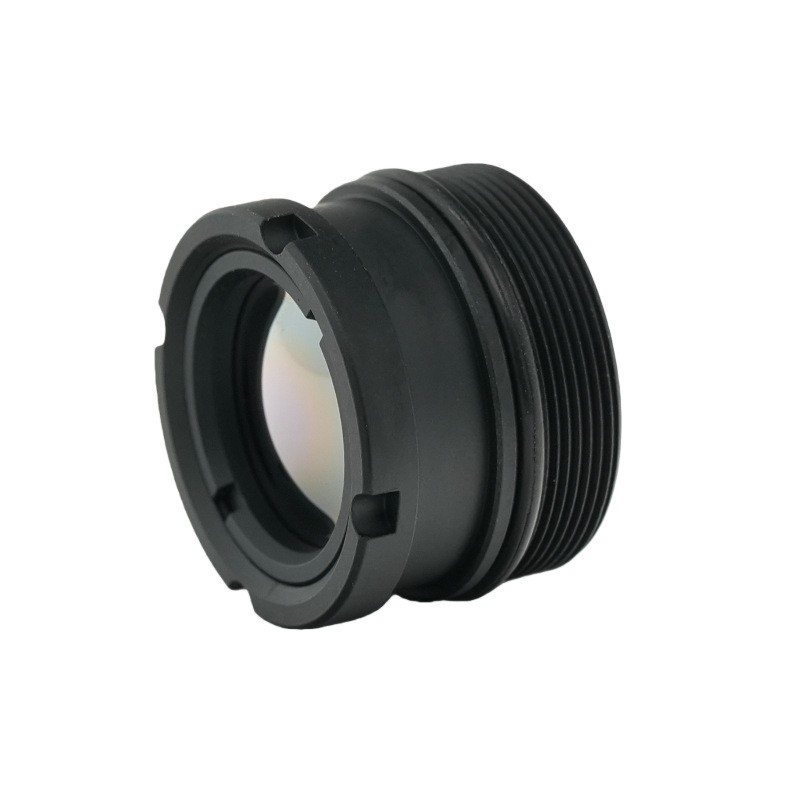
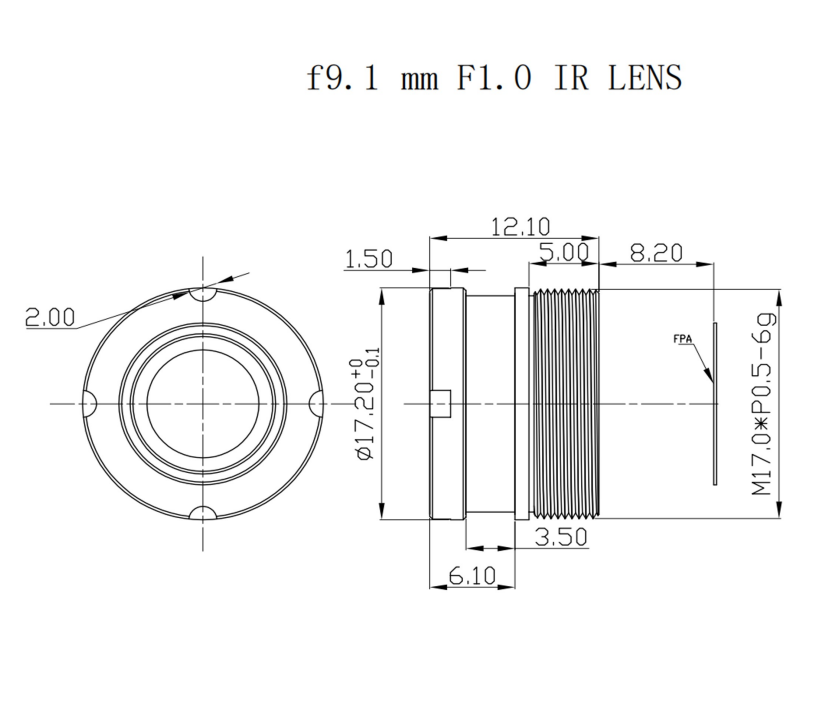
3. Mechanical and environmental parameters. The lens uses M17×0.5 threaded mount for easy mechanical assembly. Its focus range covers 3 meters to infinity, satisfying detection needs for both near‑range and far‑range targets. Operating temperature spans from ‑40℃ to +80℃ to cope with various extreme climate conditions. Front optical element reaches IP67 ingress protection grade to block dust and water intrusion.
4. Optical quality metrics. Optical transmittance of this thermal lens is no less than 90 percent. Relative illumination stays above 84 percent and distortion value keeps below negative 10 percent. Exposed optical surfaces are treated with HD coating. High transmittance cuts infrared signal loss. Good relative illumination ensures uniform brightness for full frame image. Controlled distortion reduces image deformation brought by wide angle field of view.
| Specification | Value |
|---|---|
| Focal Length | 9.1mm |
| F/# | F1.0 |
| Compatible Detector | 640×512, 12μm |
| Exposed Optics Coating | HD |
| Field of View | 62.4°(D) × 48.1°(H) × 38.5°(V) |
| Focus Range | 3m ~ ∞ |
| Operating Temperature | -40℃ ~ +80℃ |
| Relative Illumination | ≥84% |
| Distortion | < -10% |
| Transmittance | ≥90% |
| Mount | M17 × 0.5 |
| Front Element Ingress Protection Rating | IP67 |
| Wavelength | 8 ~ 12μm |
Performance Advantages
1. Ultra large F1.0 aperture advantage. The F1.0 large aperture of this long wave infrared lens captures more infrared radiation energy. Imaging sensitivity and effective detection distance get notable improvement under low‑temperature and low‑radiance environments. BOSHI Optical Technology completes repeated optical simulation for aperture structure to balance light intake capacity and aberration control.
2. High transmittance and HD coating advantage. HD coating on exposed surfaces brings over 90 percent optical transmittance for this uncooled thermal imaging lens. The coating effectively suppresses surface reflection, lifts image contrast and reduces ghost image interference. Less infrared energy is lost during transmission and more valid infrared signal enters the 640×512 12μm detector.
3. Excellent edge illumination advantage. Relative illumination higher than 84 percent keeps even brightness across whole image frame. Many wide angle thermal lens products show obvious dark‑corner effect on frame edges. This lens solves this defect through optical layout optimization and guarantees clear details for marginal observation zones.
4. IP67 front‑end waterproof structural advantage. Front optical element meets IP67 protection standard. Dust and water splashes cannot damage inner optical parts. Users can deploy this thermal lens for outdoor all‑weather work without extra protective housings. This structural feature lowers system integration cost for terminal thermal camera equipment.
5. Broad temperature adaptability advantage. This 9.1mm focal length thermal lens keeps stable imaging performance from ‑40℃ to +80℃. It adopts effective thermal defocus suppression mechanism. Thermal defocus stays at low level under sharp ambient temperature changes, so devices equipped with this lens do not need frequent manual refocus operation.
6. Compact M17×0.5 mount interface advantage. M17×0.5 threaded mount occupies small installation space. It brings great convenience for integration of miniature thermal cameras, UAV thermal payload lens equipment and handheld thermal devices. Terminal product volume and weight can be well reserved without sacrificing optical performance.
Application Field
1. Security and perimeter surveillance scenarios. This uncooled thermal imaging lens fits outdoor border defense, factory perimeter monitoring and unattended site early warning tasks. It detects intruder targets under total darkness. Drawing on rich project experience accumulated by BOSHI Optical Technology, this long wave infrared lens acts as core optical component for many perimeter early‑warning thermal camera products.
2. Industrial predictive maintenance scenarios. Thermal cameras equipped with this thermal lens carry out thermal inspection for electrical equipment, pipeline temperature monitoring and mechanical overheating fault diagnosis. Operators identify hidden equipment risks in advance through captured temperature distribution data to realize predictive maintenance and reduce unexpected shutdown losses.
3. Unmanned aerial vehicle payload scenarios. This long wave infrared lens supports aerial thermal survey, forest fire prevention and search‑and‑rescue missions. Compact M17×0.5 mount adapts limited installation space of UAV thermal payload lens devices. IP67 protection ensures stable operation under outdoor aerial conditions and wide field of view supports large‑range ground scanning.
4. Handheld thermal imaging device scenarios. This thermal lens applies to portable firefighting thermal cameras, emergency rescue equipment and building energy loss detection instruments. Handheld products set strict requirements on component volume and weight. This compact uncooled thermal imaging lens matches handheld product design and delivers reliable thermal imaging output for field operators.
5. Vehicle‑mounted thermal vision scenarios. This long wave infrared lens supports automotive night vision and off‑road driving auxiliary imaging. It provides valid imaging output under full‑dark driving conditions and helps drivers recognize road obstacles and potential hazards. IP67 grade handles complex weather conditions during vehicle running.
6. Wildlife observation and environmental monitoring scenarios. This thermal imaging lens supports animal population monitoring, wildfire early warning and outdoor ecological research. It captures thermal radiation signal of wildlife targets without extra light source. IP67 protection and wide temperature adaptability support stable operation in open wild environments.
Hot Tags: Long-wave infrared lens , 9.1mm focal length , F1.0 , 12μm , M17×0.5 mount , 640×512 detector , IP67 , thermal imaging lens , HD coating , uncooled thermal lens
Related Category
BlackLight lens
Starlight lens
M12 Lenses
M12 fisheye lens
Distortionless lens
Endoscope Lens
Wide Angle Lens
Customized Products
Cone Lens
Camera Lens
Thermal Imaging Lens
Medium/Telephoto Lens
Mobile Phone Camera Lens
Optical Design
Security Monitoring Lens
Send Inquiry
Please Feel free to give your inquiry in the form below. We will reply you in 24 hours.