
Low-Light Sourcing Trends: Why 5MP F1.0 Beats IR
When upgrading an enterprise hardware lineup to 5MP—whether it’s for high-end security arrays, autonomous drones, AIoT devices, or industrial inspection systems—procurement teams invariably smash straight into a classic engineering bottleneck: Do we stick with mature, dirt-cheap Infrared (IR) night vision, or do we transition to an ultra-large aperture F1.0 "Blacklight" full-color architecture?
If you are treating this like a minor budgeting coin toss, let me give you a reality check from the factory floor.
As an optical engineer at Shanghai Silk Optical Technology Co., Ltd., I spend my days staring at MTF curves, fighting refractive indices, and optimizing Active Alignment (AA) assembly lines. I see far too many product roadmaps crash during Q4 field testing because someone chose their low-light optics based on a generic, outdated supplier catalog.
When your sensor jumps to 5MP, the old-school IR playbook doesn't just age poorly—it fails completely. Here is why premium procurement is rapidly moving away from traditional IR and driving hard toward F1.0 full-color glass.
1. The 5MP Pixel Shrink: Why Tiny Pixels Starve for Light
Let’s talk raw physics. When you cram 5 million pixels onto a standard-sized CMOS sensor, each individual pixel size (pixel pitch) shrinks drastically. Smaller pixels capture fewer photons, which means your low-light image noise skyrockets.
-
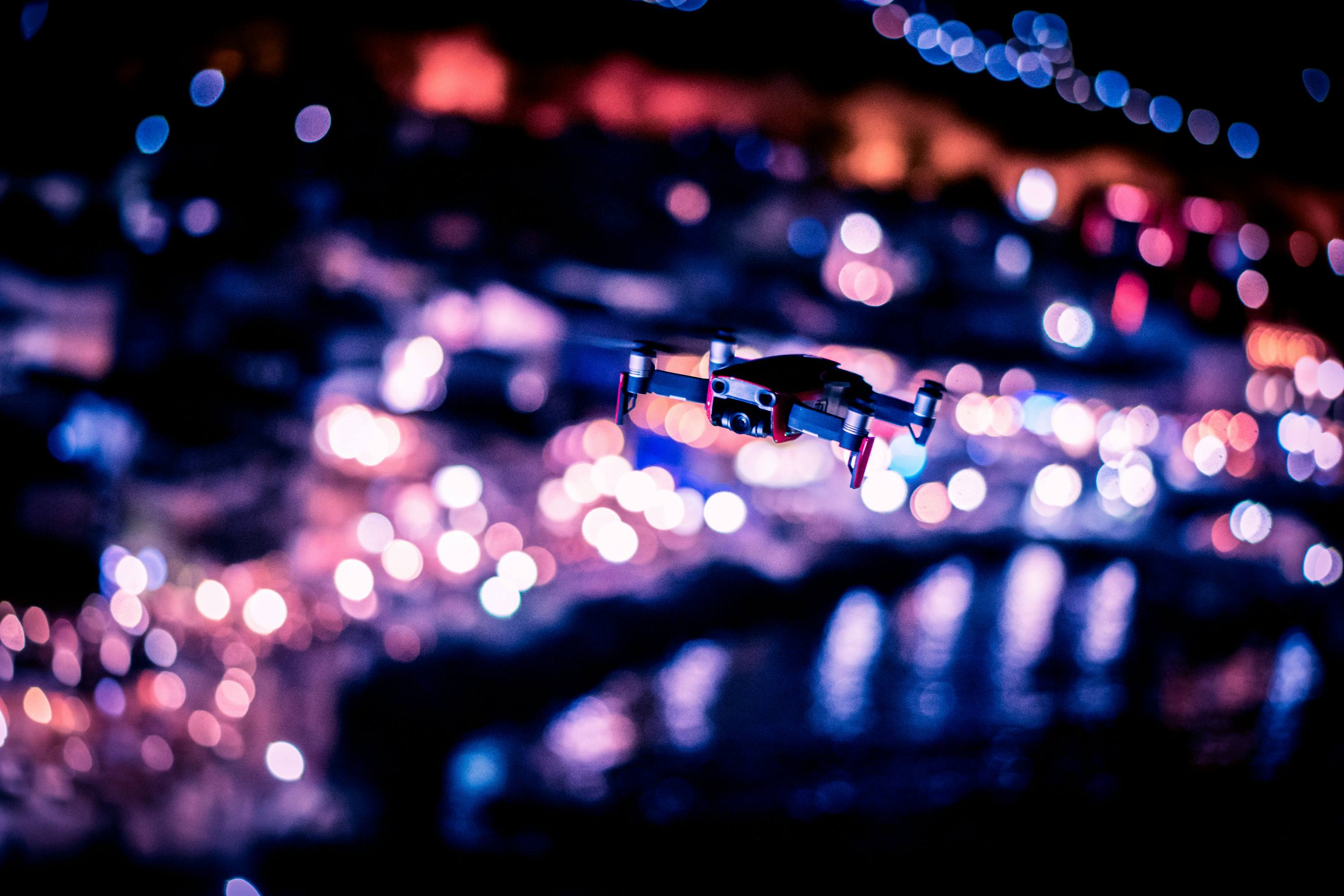
The 4x Light Explosion: A standard F2.0 lens is a pinhole at night. Upgrading to a wide-open F1.0 aperture isn't a minor tweak—it dumps four times more light onto your sensor. It extracts high-contrast video from faint starlight or distant city glow without requiring energy-draining active illumination.
-
The Hidden Power Tax: Traditional IR setups rely heavily on high-wattage LED boards to flood the scene. This active emission drains battery packs on mobile or drone rigs, generates localized heat, and significantly shortens the hardware’s total lifecycle (TCO). Pure physical photon harvesting via F1.0 completely bypasses this tax.
2. The Grayscale Trap: AI Algorithms Don't Like Black & White
If your hardware relies on an edge NPU to run object classification, license plate recognition, or behavioral tracking, active IR is a massive liability. IR illumination strips out the entire color space, reducing the world to a muddy grayscale map.
If your system needs to instantly flag the color of a vehicle, identify a hazardous pipe valve, or recognize a suspect’s clothing in a split second, an IR camera is effectively blind. An F1.0 Blacklight lens maintains complete RGB color fidelity even in near-zero lux environments, giving your neural networks the high-fidelity chromatic data they need to perform without computing lag.
3. Overcoming the "Aperture Curse" with Silk Optical's PL100
Now, to be completely transparent: designing a reliable F1.0 lens for a high-density 5MP sensor is an absolute nightmare. When you open an iris that wide, light rays strike the outer rim of the glass at extreme angles, causing edge distortion and catastrophic Thermal Drift (Focus Shift) when the camera environment heats up.
This is exactly why we engineered our flagship PL100 Blacklight Lens.
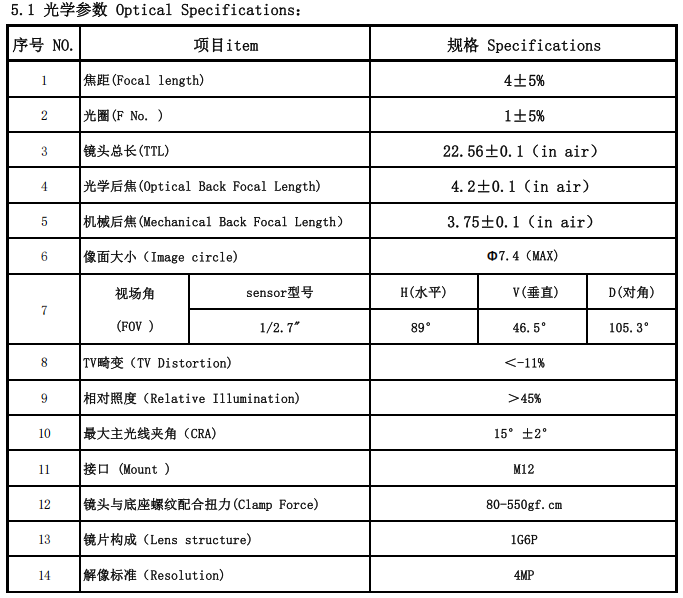
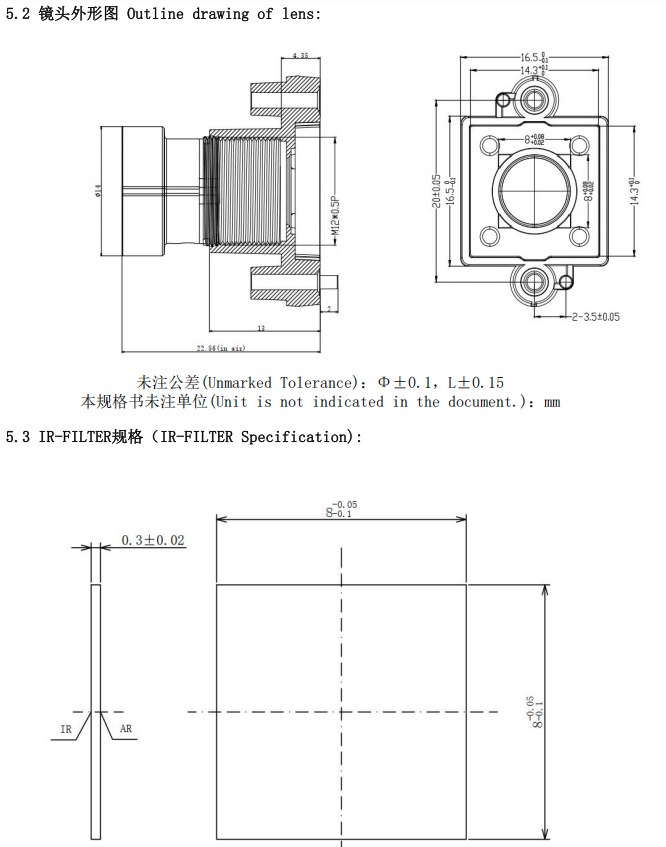
We didn't cut corners with cheap, all-plastic spherical configurations. The PL100 features a hard-boiled F1.0, 4mm, 4MP/5MP-optimized architecture built on a premium 7E glass-hybrid structure. Housed in custom, thermally compensated barrels, it completely locks the focal plane across extreme temperature swings from -20°C to +70°C. No corner blur, no midnight blindness—just razor-sharp, full-color data.
4. Sourcing Decision Matrix: F1.0 vs. IR
| Sourcing Metric | The PL100 F1.0 Blacklight Lens | Traditional IR Night Vision Lenses |
| Color Retention | Flawless. Keeps full RGB active for AI tracking. | None. Flattens everything into grayscale. |
| Operational Stealth | Absolute. Zero active emissions; won't attract insects. | Poor. Infamous "red glow" exposure from 850nm LEDs. |
| Thermal Stability | High. Built with 7E structural glass compensation. | Variable. Prone to focus shift when shifting from daylight to IR. |
| Total Darkness (Zero Lux) | Excellent. Needs only minimal ambient light to shine. | Maximum. Works in completely unlit, subterranean voids. |
A Candid Take from Our Lab
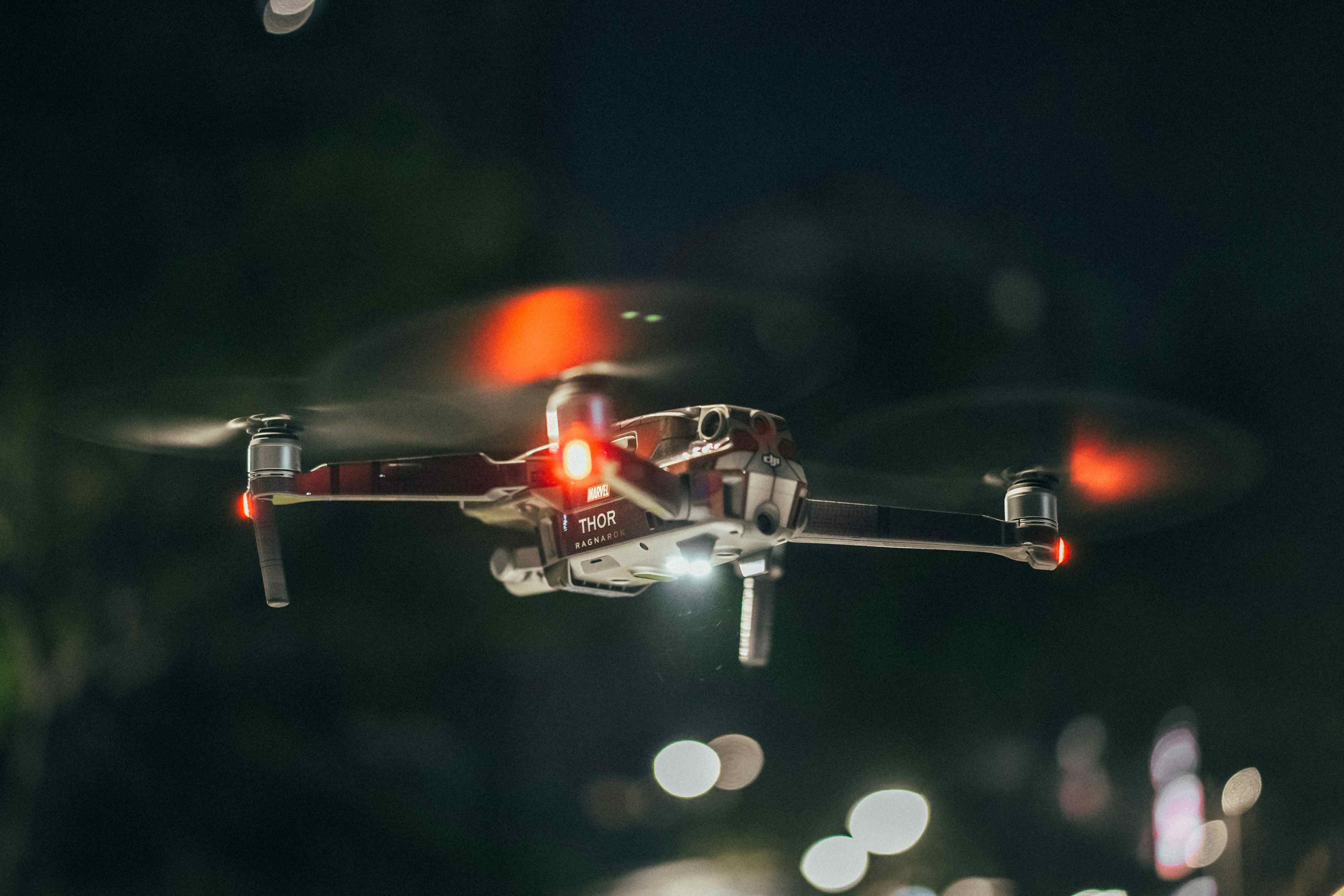
In precision optics, you get exactly what you pay for. If your project demands high-definition 5MP resolution, squeezing pennies on an old IR lens will cost you thousands in failed field performance and crippled AI accuracy.
At Shanghai Silk Optical Technology Co., Ltd., we handle an automated output of over 6 million lenses a month, but we treat every high-end project like a custom build. If you are tired of generic sales pitches and want to test real hardware that performs flawlessly when the lights go out, reach out to our team. Let's get a sample of the PL100 on your bench.