
What Makes a Reliable Optical Lens Manufacturer? 7 Factors to Check
Finding an optical lens supplier is not difficult.
Finding one you can trust with a serious camera project is a different story.
Search online for “camera lens manufacturer” and you will quickly find plenty of companies offering CCTV lenses, automotive lenses, machine vision optics, drone lenses, medical lenses, and customized optical products.
The catalogs may look similar.
The prices may look attractive.
The real differences usually appear later—when you need a design change, when the sample does not match the camera, or when 10,000 production units need to perform exactly like the first 10.
From a buyer's perspective, there are seven things worth checking before choosing an optical lens manufacturer.
1. Optical Design Capability
This should be the first question.
Not:
“How many lens models do you have?”
But:
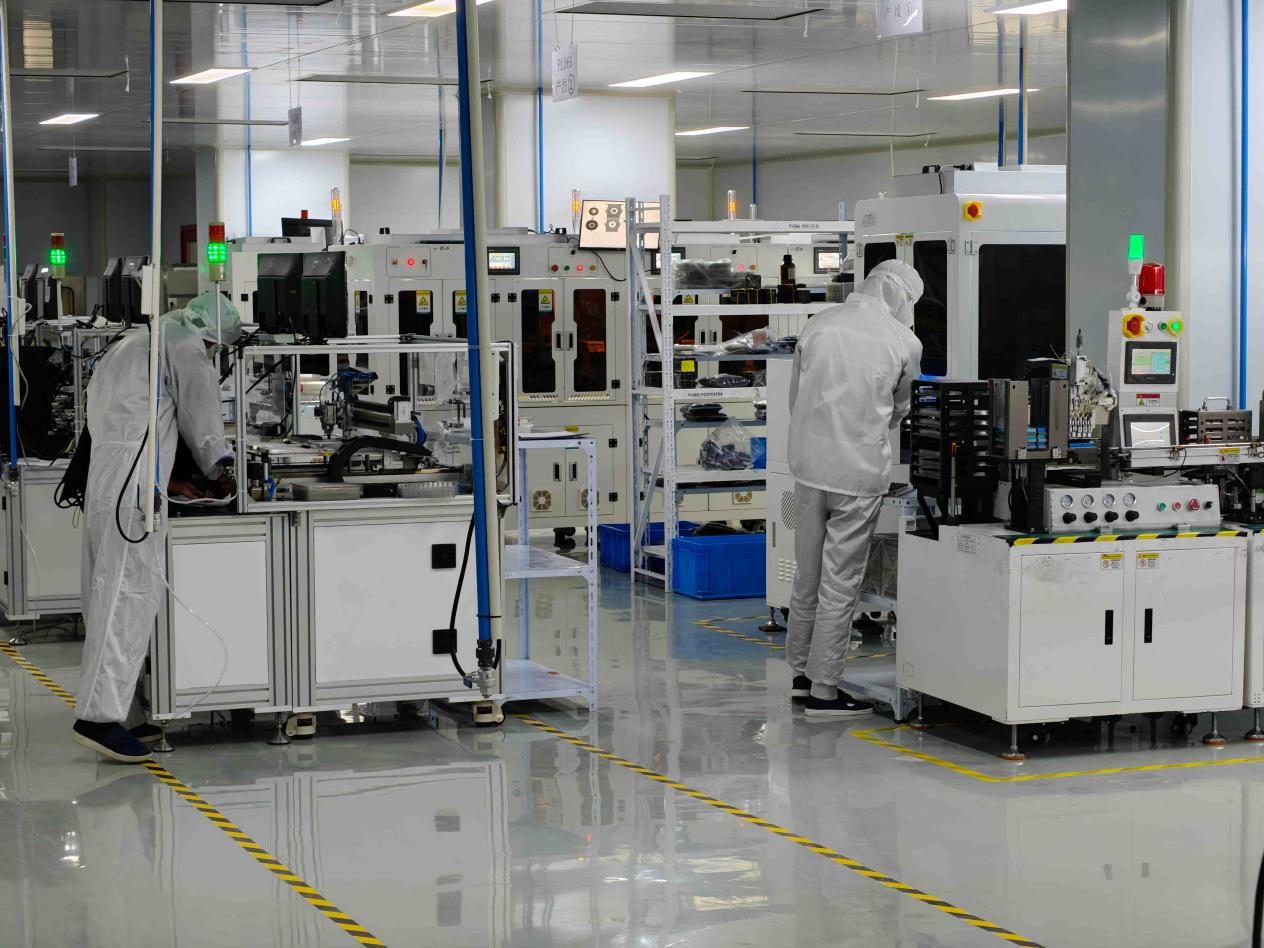
“Can you design or optimize a lens for my actual application?”
A professional optical manufacturer should understand the relationship between:
Sensor size
Pixel size
Focal length
Field of view
Aperture
CRA
Image circle
Distortion
Resolution
This matters because lens selection is not simply a matter of matching focal length.
A 4mm lens, for example, can produce very different results depending on the sensor, image circle, optical structure, and application.
The best supplier is not necessarily the one with the biggest catalog.
It is the one that can tell you why a particular optical solution will—or will not—work.
2. Prototype Development Capability
A good specification sheet is useful.
A good sample is better.
Before mass production, buyers need to know whether the manufacturer can quickly move from an optical concept to a physical prototype and evaluate it under real conditions.
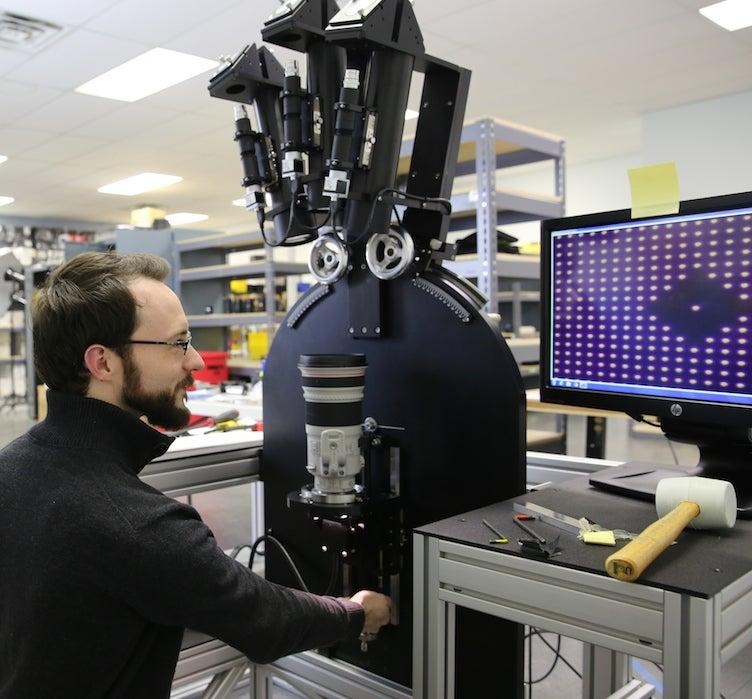
A serious prototype process should consider:
Actual sensor compatibility
Required field of view
Mechanical dimensions
Image quality
Focus position
Distortion
Low-light performance
Environmental requirements
This is especially important for customized lenses.
The first prototype does not have to be perfect.
What matters is whether the manufacturer can identify problems and improve the design efficiently.
That is where engineering experience starts to show.
3. Manufacturing Capacity
This sounds obvious, but it is frequently overlooked.
A manufacturer may be able to produce a good sample but struggle when the order becomes large.
When evaluating production capability, buyers should look beyond factory size and ask:
What processes are controlled internally?
What is the monthly production capacity?
How automated is assembly?
How are production bottlenecks handled?
Can capacity increase with demand?
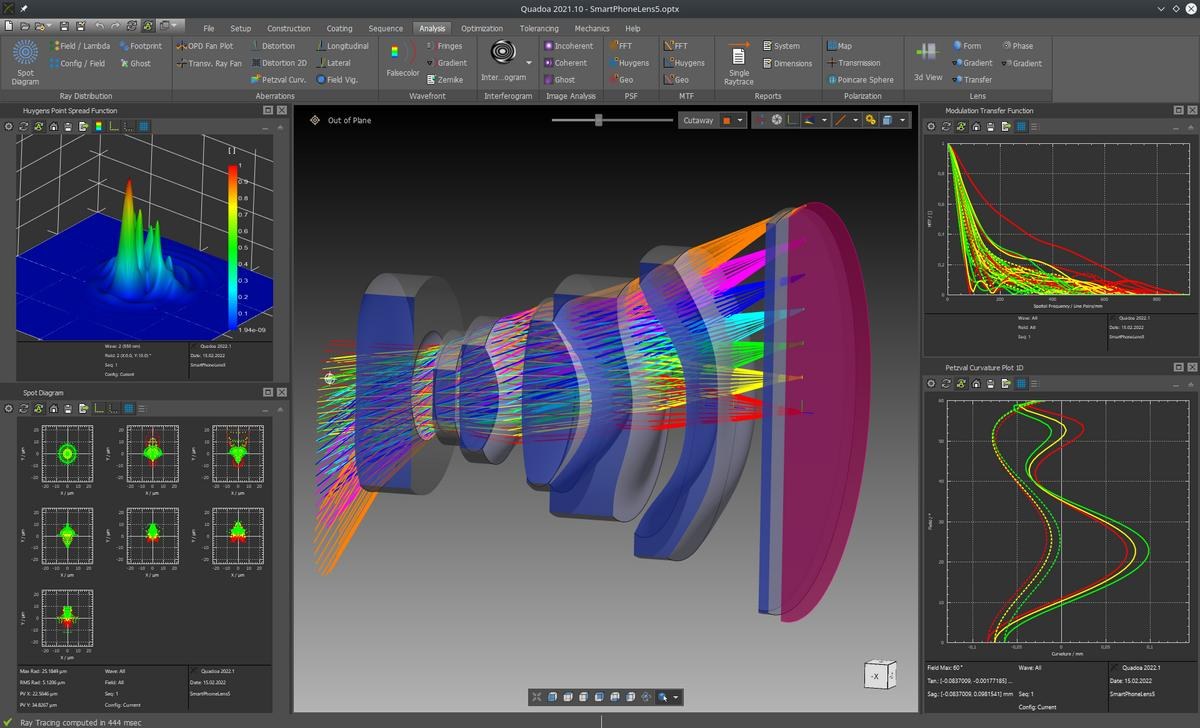
According to the Boshi Optics company catalog, the manufacturing chain covers cold processing of optical lenses, precision mold manufacturing and injection molding, lens assembly, and quality inspection. The company also reports monthly lens output exceeding 2 million units in its broader manufacturing information.
This kind of integrated structure matters because optical manufacturing involves many interconnected processes.
When design, molding, assembly, and inspection are closely connected, it becomes easier to control the final product.
4. MTF and Optical Testing
If a supplier tells you:
“Our lens is very sharp.”
Ask:
“How do you measure it?”
This is a surprisingly useful question.
Professional optical manufacturing requires objective testing.
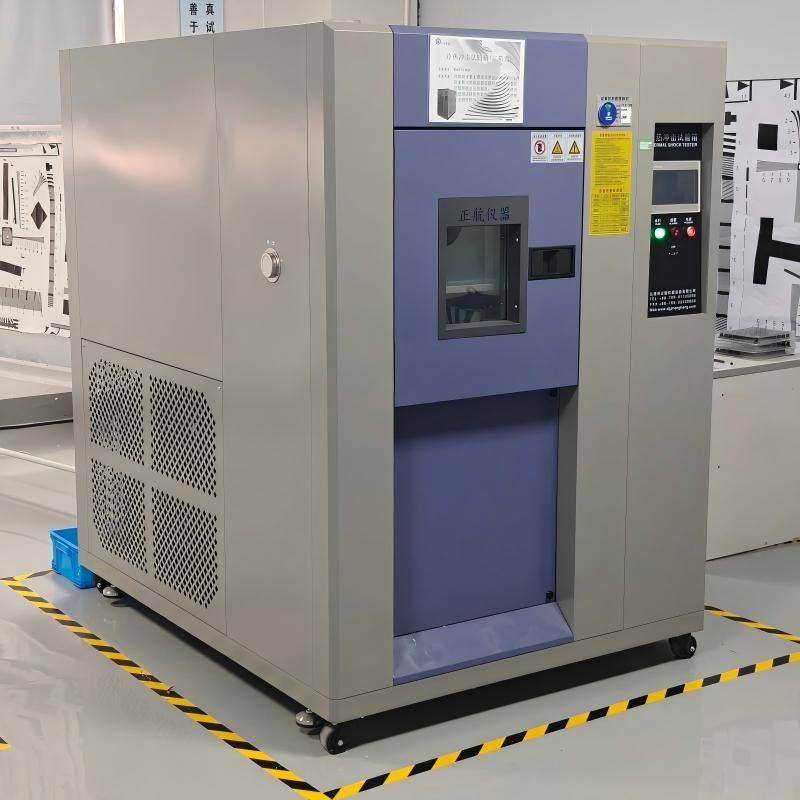
The Boshi Optics catalog lists equipment including MTF measurement systems, automated MTF sorting systems, eccentricity testers, Mitutoyo 2D measuring equipment, Panasonic 3D measurement systems, and temperature cycling chambers.
MTF testing is particularly important because it provides a more meaningful picture of optical resolution than simply claiming that a lens is “4MP,” “8MP,” or “high resolution.”
For buyers, the important thing is not whether a factory owns an impressive-looking machine.
The important question is:
How is that equipment actually used to control production quality?
5. Quality Management System
Certifications do not automatically make a lens perfect.
But a manufacturer without structured quality management can create much bigger headaches during mass production.
A buyer should understand:
Incoming material inspection
Process control
Final inspection
Batch traceability
Nonconforming product handling
Corrective actions
Engineering change management
The Boshi Optics company materials list certifications including ISO 9001:2015, ISO 14001:2015, ISO 45001:2018, and IATF 16949:2016.
For automotive-related projects in particular, a structured quality system becomes even more important because production consistency and traceability are not optional details.
6. OEM/ODM Flexibility
A supplier may have a very impressive standard catalog.
Then you ask:
“Can you change the barrel?”
Suddenly, things become complicated.
This is why OEM/ODM capability should be evaluated early.
Common requirements may include:
Different focal lengths
Different fields of view
Custom mechanical dimensions
Different mounts
Sensor matching
IR-cut or IR co-focus requirements
Waterproof construction
Temperature compensation
Customized optical structures
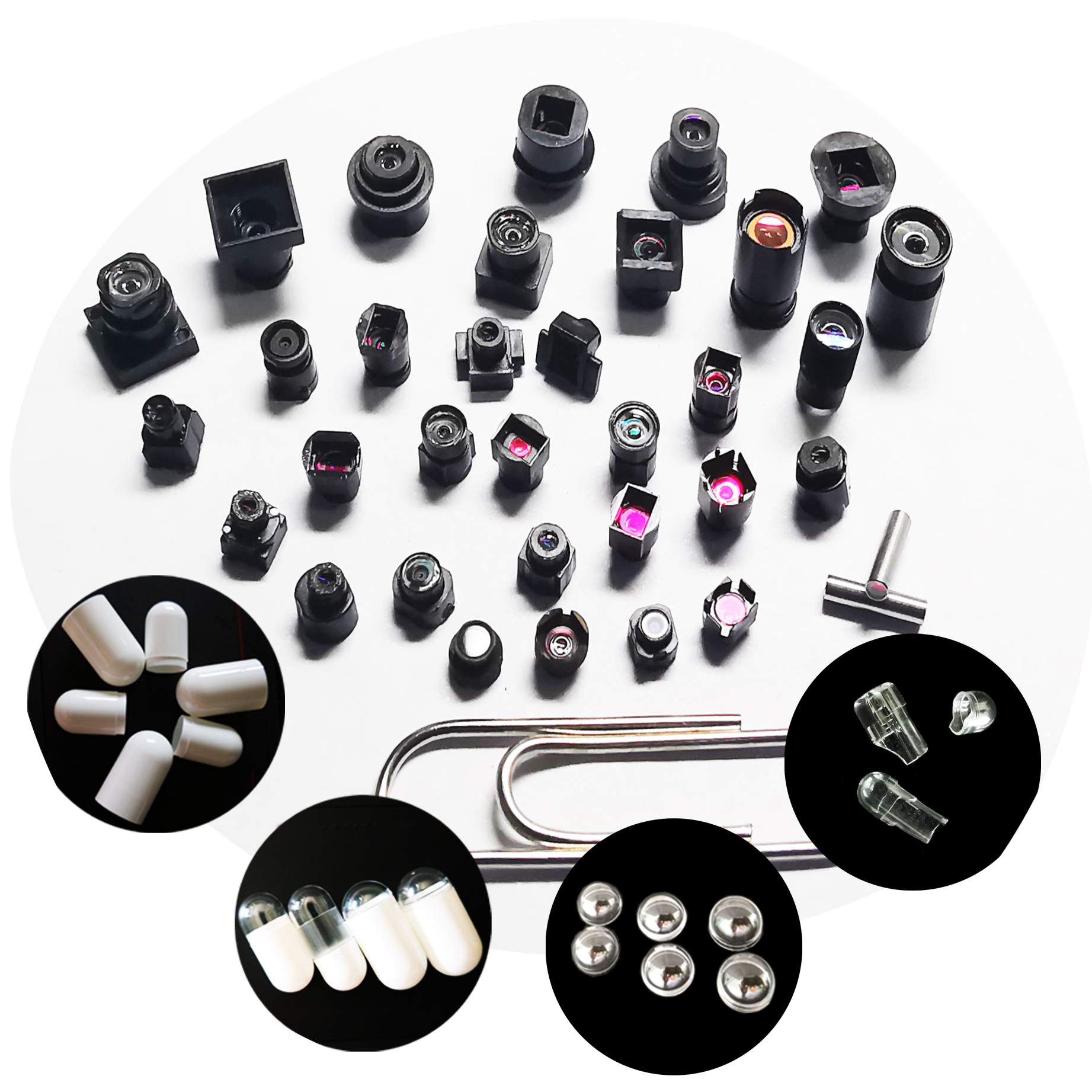
Boshi Optics' materials explicitly identify customized optical products and OEM/ODM services as part of its business offering. The catalog also presents customized glass lenses and other optical products beyond standard security camera lenses.
The real advantage of customization is not simply getting a different product.
It is being able to optimize the optical system around the customer's camera.
7. Mass-Production Consistency
This is the factor I would probably put first if the project is already moving toward volume production.
Because producing one good lens is not the hardest part.
Producing thousands of good lenses that behave like the approved sample is.
Small variations in:
Lens centering
Element spacing
Barrel dimensions
Assembly position
Adhesive application
Focus position
can influence imaging performance.
This is why automated assembly and automated inspection can become extremely valuable.
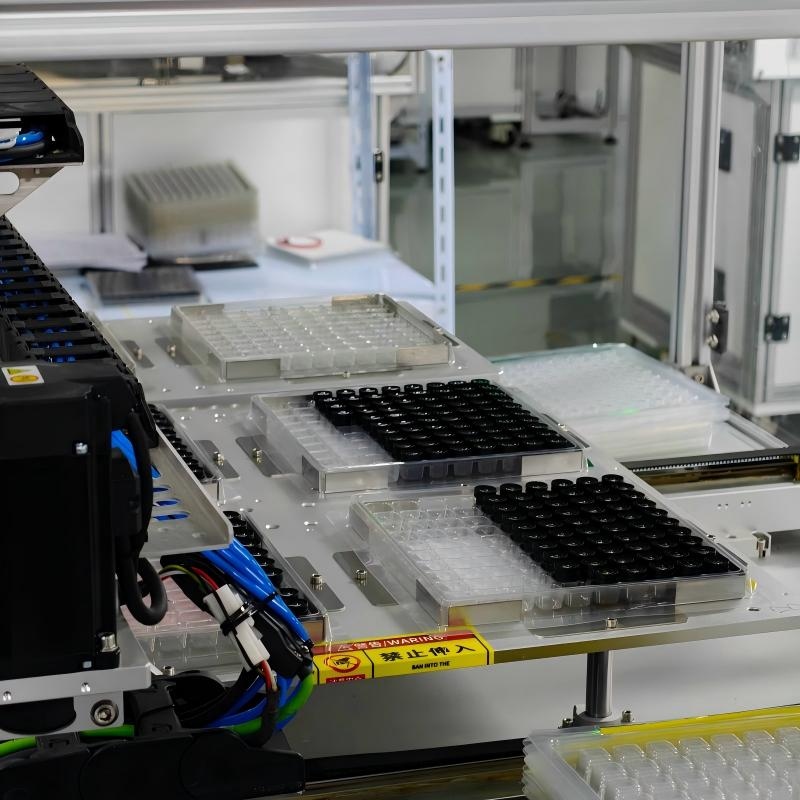
Boshi Optics' listed equipment includes fully automatic assembly machines, vision-guided assembly systems, multi-stage assembly systems, automatic MTF sorting, and other inspection equipment.
For a buyer, this means something very practical:
The conversation should not stop at “Can you make this lens?”
Ask:
“How will you make sure the 50,000th lens performs like the sample?”
That is the question that separates development capability from manufacturing capability.
What About Price?
Of course, price matters.
Nobody buys optical lenses without looking at the quotation.
But price should be evaluated in context.
A cheaper lens may become expensive if it causes:
Camera rework
Poor assembly yield
Additional calibration
Production delays
Customer returns
Field failures
Likewise, the most expensive supplier is not automatically the best.
The better question is:
Which supplier gives me the lowest overall project risk?
For long-term camera projects, consistency and engineering support can be worth much more than a small difference in unit price.
A Practical Checklist for Buyers
Before approving an optical lens manufacturer, I would ask these seven questions:
1.Can you explain why this lens matches my sensor?
2.Can you provide a functional prototype for testing?
3.Which manufacturing processes are controlled internally?
4.How do you measure MTF and other optical parameters?
5.What quality management system do you operate?
6.How much customization can you support?
7.How do you guarantee consistency during mass production?
If the supplier can answer these questions clearly, you are probably having the right conversation.
If the conversation keeps returning to price, delivery, and a product catalog, you may not be talking to the right technical partner yet.
Why Manufacturing Integration Matters
Optical products are unusually sensitive to small manufacturing variations.
That is why an integrated supply chain can provide an important advantage.
Boshi Optics' manufacturing information describes a chain covering optical lens processing, precision mold manufacturing and injection molding, lens assembly, and quality inspection. Its equipment list also includes automated assembly and optical inspection systems.
This allows the manufacturer to approach a project from more than one direction.
If an optical result is not satisfactory, the answer may involve optical design.
Or molding.
Or mechanical tolerances.
Or assembly.
Or testing.
Being able to connect these stages is often more valuable than simply having a large product catalog.
One More Thing: Ask About Communication
This sounds like a small issue.
It isn't.
Optical projects involve plenty of back-and-forth:
“Can we reduce the TTL?”
“Can this work with our sensor?”
“What happens to the FOV if we change the image circle?”
“Can you improve the edge resolution?”
“Can we keep the same housing?”
A reliable supplier should be able to turn these questions into engineering discussions rather than simply replying with “yes” or “no.”
And sometimes the best answer from a good supplier is:
“We need to test it first.”
That is not a weak answer.
It is usually a much more trustworthy one.
Final Thought: Choose a Manufacturer, Not Just a Supplier
When selecting an optical lens manufacturer, buyers often begin with three things:
Price. Product. Delivery.
Those are important.
But for a serious project, there are four more questions:
Can they design it?
Can they test it?
Can they manufacture it consistently?
Can they support me when something goes wrong?
That is the real difference between buying a lens and building a reliable supply chain.
Boshi Optics combines optical development, integrated manufacturing, automated assembly, optical testing, quality management, and OEM/ODM capabilities to serve customers across security, automotive, medical imaging, and other optical applications.
For buyers searching for an optical lens manufacturer in China, that is ultimately what should be evaluated.
Not who has the longest catalog.
Not who gives the fastest quotation.
And not necessarily who gives the lowest price.
Choose the manufacturer that can still deliver when the project gets complicated.