

Inside an Optical Lens Factory: From Design to Mass Production
When people look at a camera lens, they usually see a small optical component made of glass and plastic.
But behind that small lens is a much more complicated process.
A professional optical lens is the result of hundreds of engineering decisions:
How should the optical structure be designed?
Which glass materials should be selected?
How can distortion be controlled?
How can the lens maintain sharpness across the image?
How can thousands or even millions of units perform consistently?
A lens that works well in a laboratory is only the beginning.
The real challenge is turning an optical design into a reliable product that can be manufactured at scale.
This is what happens inside a modern optical lens factory.
Step 1: Understanding the Application Before Designing the Lens
A common misunderstanding is that lens development starts with choosing a focal length.
In reality, experienced optical engineers start with the application.
A surveillance camera, drone camera, medical imaging device, automotive camera, and industrial vision system all have different requirements.
Before designing a lens, engineers need to understand:
What sensor will be used?
What field of view is required?
What environment will the camera operate in?
Is low-light performance important?
Is distortion acceptable?
How much resolution is needed?
What are the mechanical limitations?
A 4mm lens for a security camera and a 4mm lens for a drone are completely different optical challenges.
The numbers may look similar.
The engineering requirements are not.
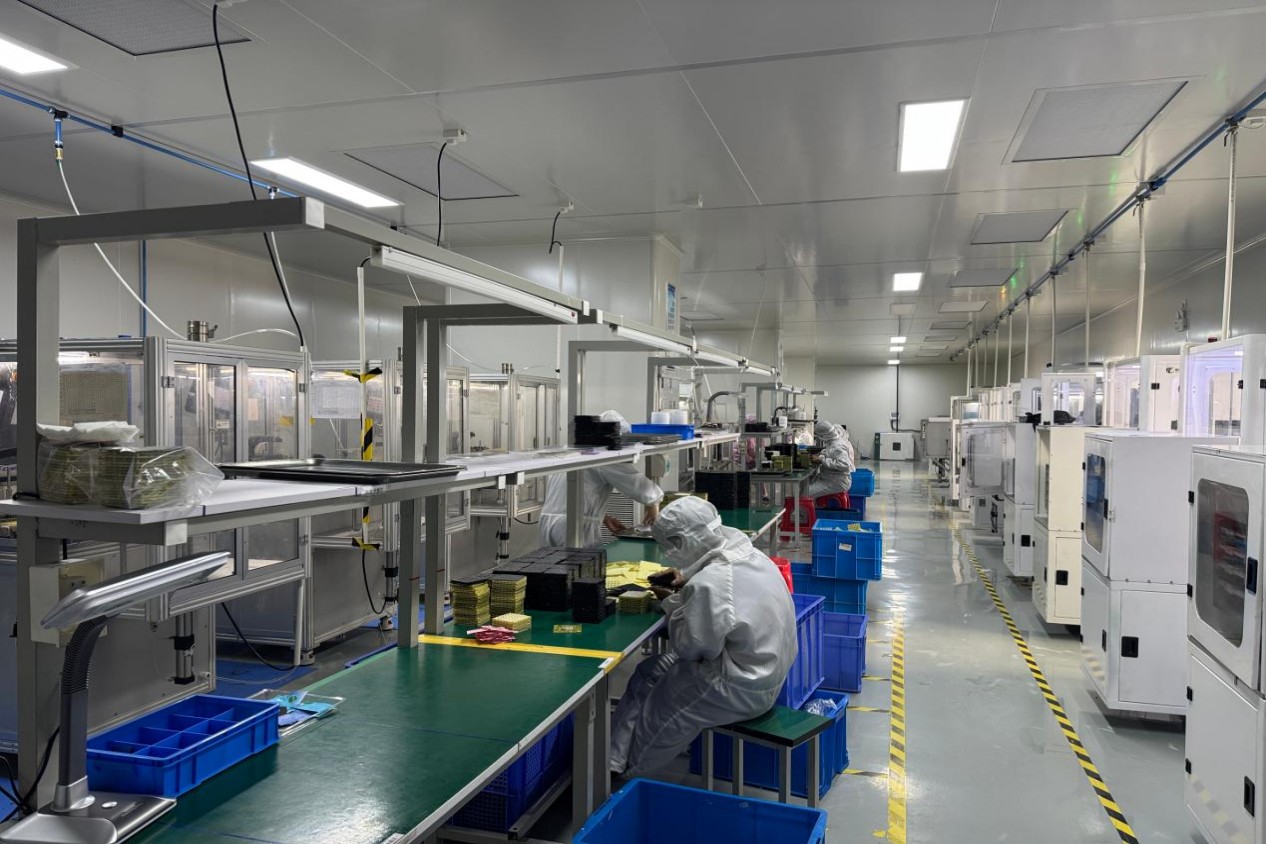
Step 2: Optical Design and Simulation
Once the requirements are clear, optical engineers begin designing the lens system.
Modern optical design involves much more than arranging several glass elements.
Engineers need to optimize multiple factors simultaneously:
Resolution
Contrast
Distortion
Chromatic aberration
Light transmission
Relative illumination
Image circle
Manufacturing feasibility
Computer simulation tools allow engineers to evaluate different optical structures before physical samples are produced.
This stage helps answer important questions:
Can the lens achieve the required resolution?
Will the corners remain sharp?
Can the lens work with the selected sensor?
How will performance change under different conditions?
Good optical design is always a balance.
A lens with extremely wide angle, very small size, large aperture, and high resolution sounds ideal.
But physics always creates trade-offs.
Experienced optical engineers understand how to find the right balance for the application.
Step 3: Prototype Development and Testing
After optical design is completed, prototypes are produced.
This stage is where theory meets reality.
A simulated lens may look perfect on a computer screen.
The physical world introduces new challenges:
Manufacturing tolerance
Material variation
Assembly accuracy
Mechanical structure
Sensor compatibility
Prototype testing usually includes:
Optical Performance Testing
Engineers evaluate:
Resolution
MTF performance
Distortion
Brightness uniformity
Color performance
Mechanical Testing
The lens must also meet physical requirements:
Mount compatibility
Size restrictions
Assembly accuracy
Structural reliability
Environmental Testing
Depending on the application, lenses may need to withstand:
Temperature changes
Vibration
Humidity
Long-term operation
The goal of prototype development is not simply to create one good sample.
The goal is to create a design that can eventually become a stable production product.
Step 4: Precision Optical Manufacturing
After approval, the lens enters mass production.
This is where a professional optical manufacturer shows its real capability.
Optical manufacturing involves multiple processes:
Optical Component Processing
Glass elements need precise processing to achieve the required optical performance.
Small differences in:
Surface accuracy
Thickness
Curvature
can affect final image quality.
Mold Manufacturing and Injection
For many compact camera lenses, plastic optical components and structural parts are widely used.
Precision molds are essential because small dimensional differences can influence:
Focus accuracy
Assembly consistency
Optical alignment
Lens Coating
Optical coatings improve:
Light transmission
Reflection control
Image contrast
A high-quality coating process helps reduce unwanted optical problems such as flare and ghosting.
Step 5: Lens Assembly
Lens assembly may appear simple from the outside.
However, optical alignment is extremely sensitive.
During assembly, engineers must control:
Element positioning
Lens spacing
Optical axis alignment
Focus position
Even tiny assembly errors can influence:
Sharpness
Image consistency
MTF performance
This is why automated assembly and precision inspection equipment have become increasingly important in modern optical factories.
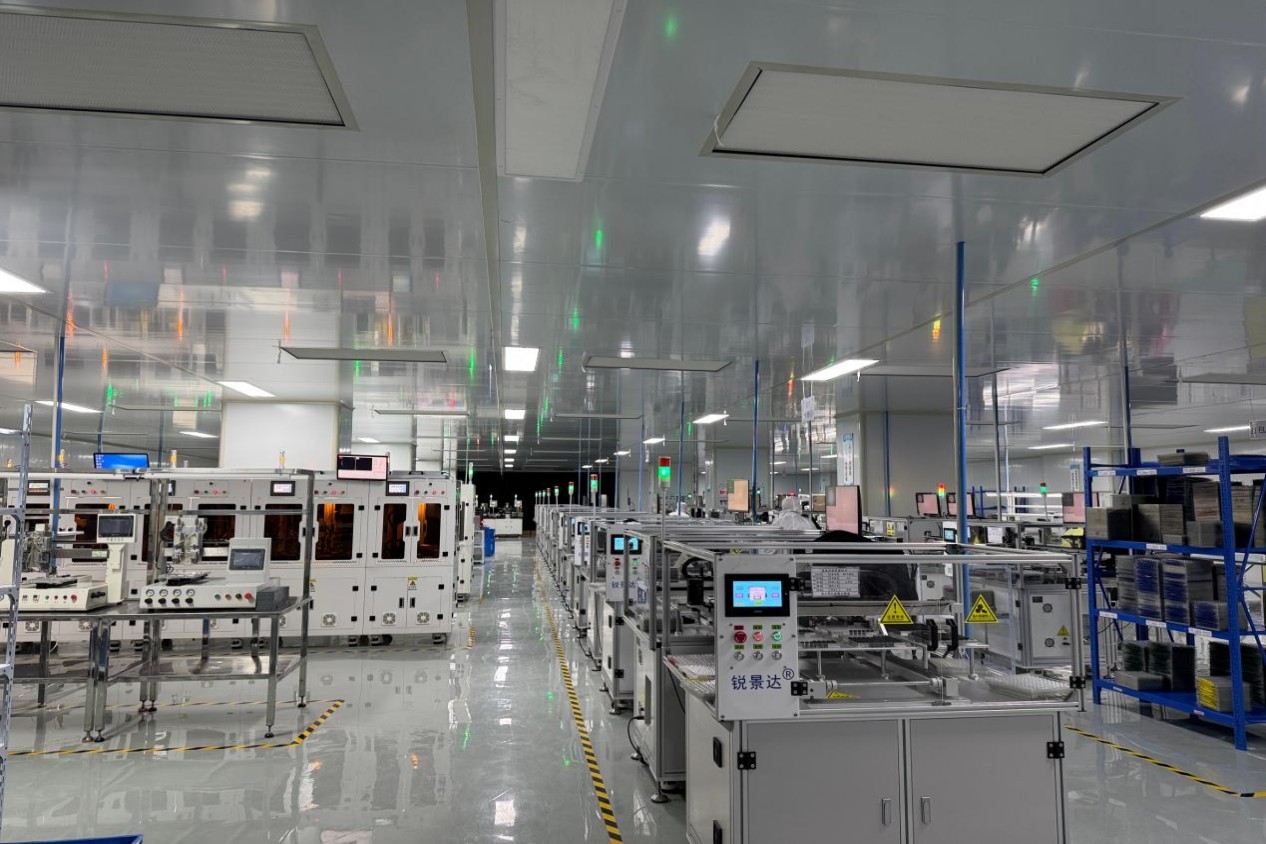
Step 6: Quality Control and Optical Testing
Producing one excellent lens is not the hardest part.
Producing thousands of identical lenses is.
Mass production requires strict quality control.
Professional optical manufacturers use testing systems to ensure consistency between different production batches.
Common inspection methods include:
MTF testing
Optical measurement
Eccentricity testing
Dimensional inspection
Environmental testing
The purpose is simple:
The 10,000th lens should perform like the first approved sample.
Step 7: From Factory Production to Customer Application
A lens does not exist alone.
It becomes part of a complete imaging system.
A professional lens manufacturer should understand how the lens performs after integration.
For example:
A security camera manufacturer cares about:
Night imaging
AI recognition
Wide-area monitoring
A drone company cares about:
Weight
Field of view
Low-light performance
A robot manufacturer cares about:
Accuracy
Reliability
Real-time perception
The best optical suppliers do not simply manufacture lenses.
They help customers solve imaging problems.
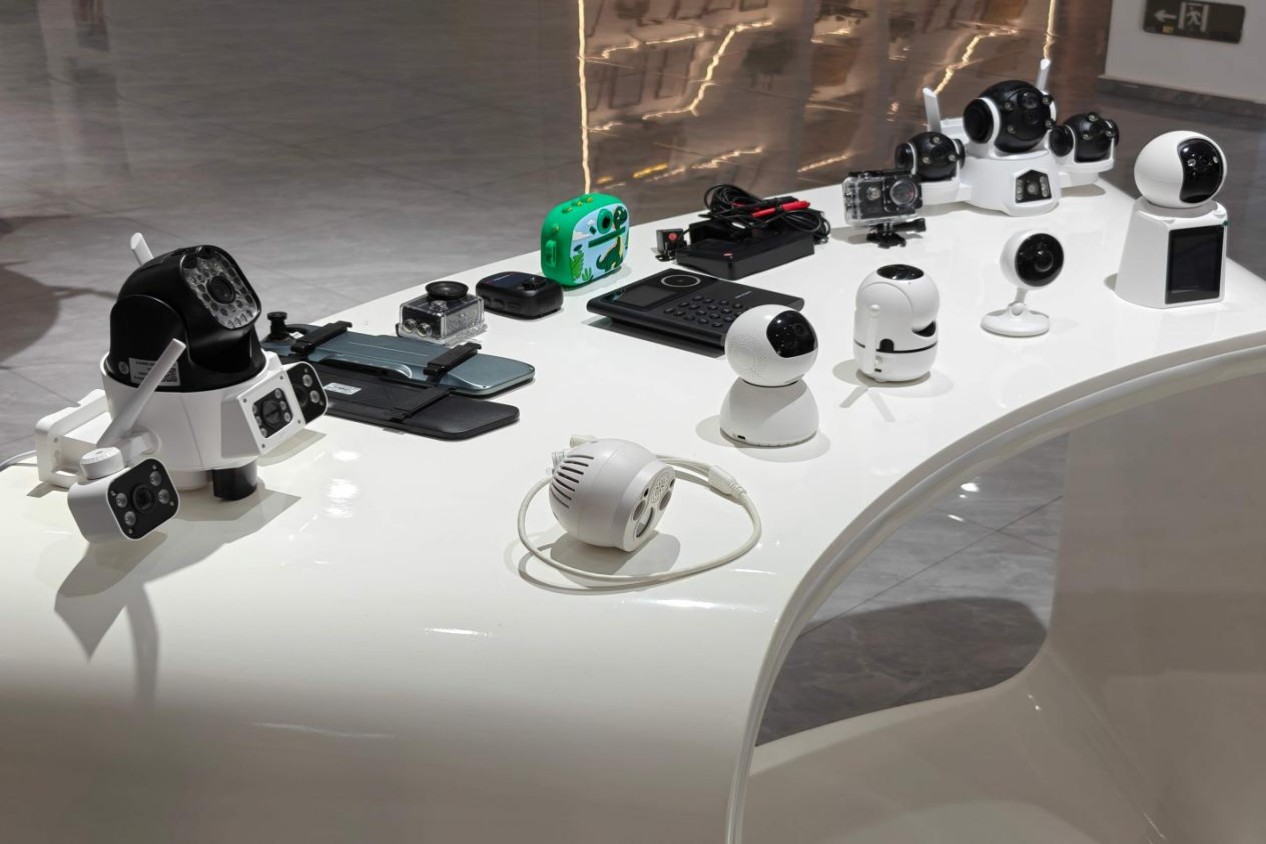
Inside Boshi Optics: Combining Optical Design and Manufacturing Capability
At Boshi Optics, we believe that successful optical products require both engineering knowledge and manufacturing experience.
Our optical manufacturing process covers multiple stages, including optical component processing, precision mold manufacturing, injection molding, lens assembly, and quality inspection.
With capabilities covering optical development, production, automated assembly, and optical testing, Boshi Optics supports customers across applications such as security cameras, AI vision systems, drones, automotive imaging, medical devices, and industrial cameras.
Because in optical manufacturing, design capability and manufacturing capability cannot be separated.
A perfect optical design that cannot be produced consistently is not a successful product.
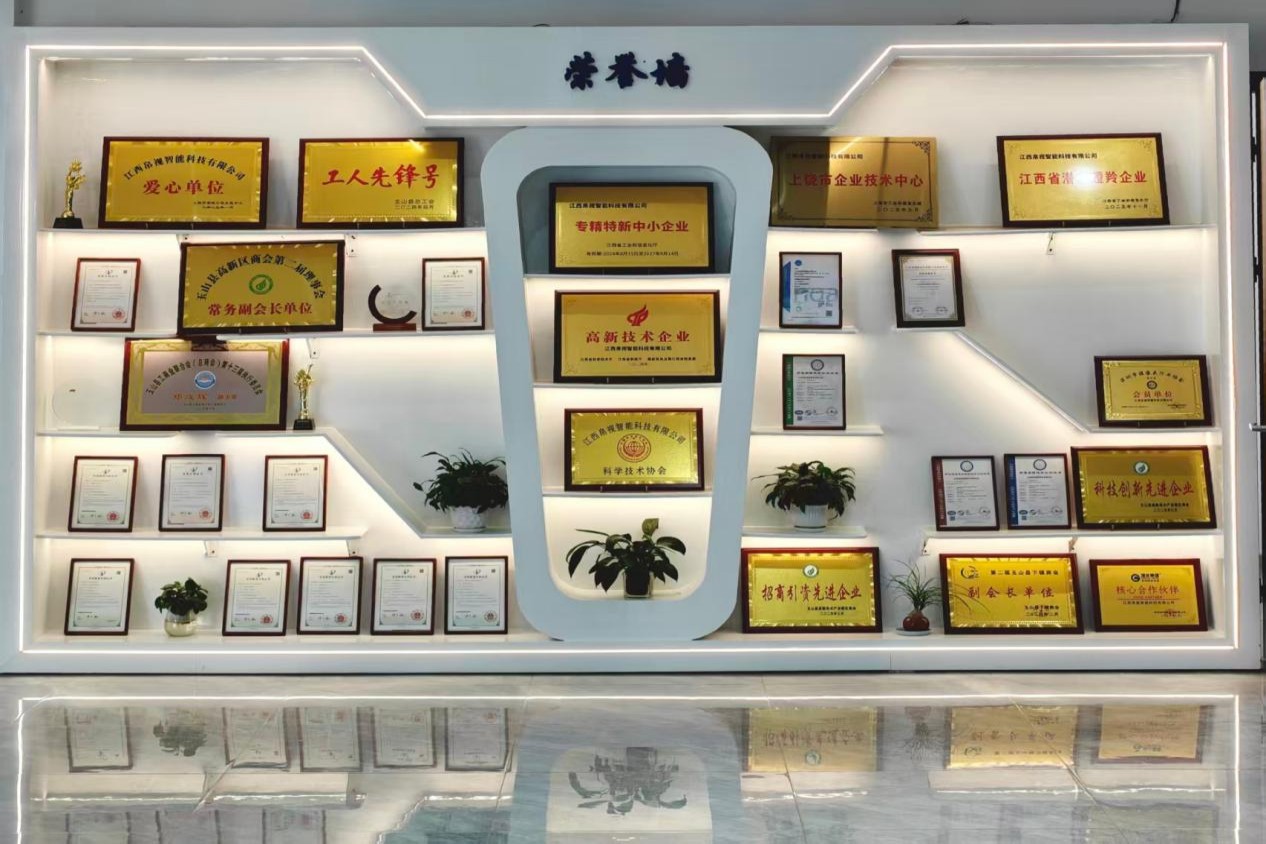
Final Thought: The Lens Behind Every Camera Has a Story
A camera lens may look small.
But creating a reliable lens requires:
Optical engineering
Precision manufacturing
Testing experience
Production management
Continuous improvement
The journey from design concept to mass production is where true optical expertise is built.
And that is what separates a lens supplier from a real optical manufacturing partner.