

Why AI Cameras Are Changing the Way Lenses Are Designed
For a long time, camera development followed a fairly simple logic:
Better sensor → higher resolution → better camera.
Then AI entered the picture.
Suddenly, the camera was no longer just recording what happened.
It was expected to understand it.
A security camera might need to distinguish a person from a vehicle. A robot might need to recognize an obstacle. A drone might need to understand its surroundings while moving at high speed.
And this creates a problem that does not get enough attention:
AI can only work with the visual information the camera gives it.
A brilliant algorithm cannot recover details that the optical system never captured.
This is why AI is quietly changing the way camera lenses are designed.
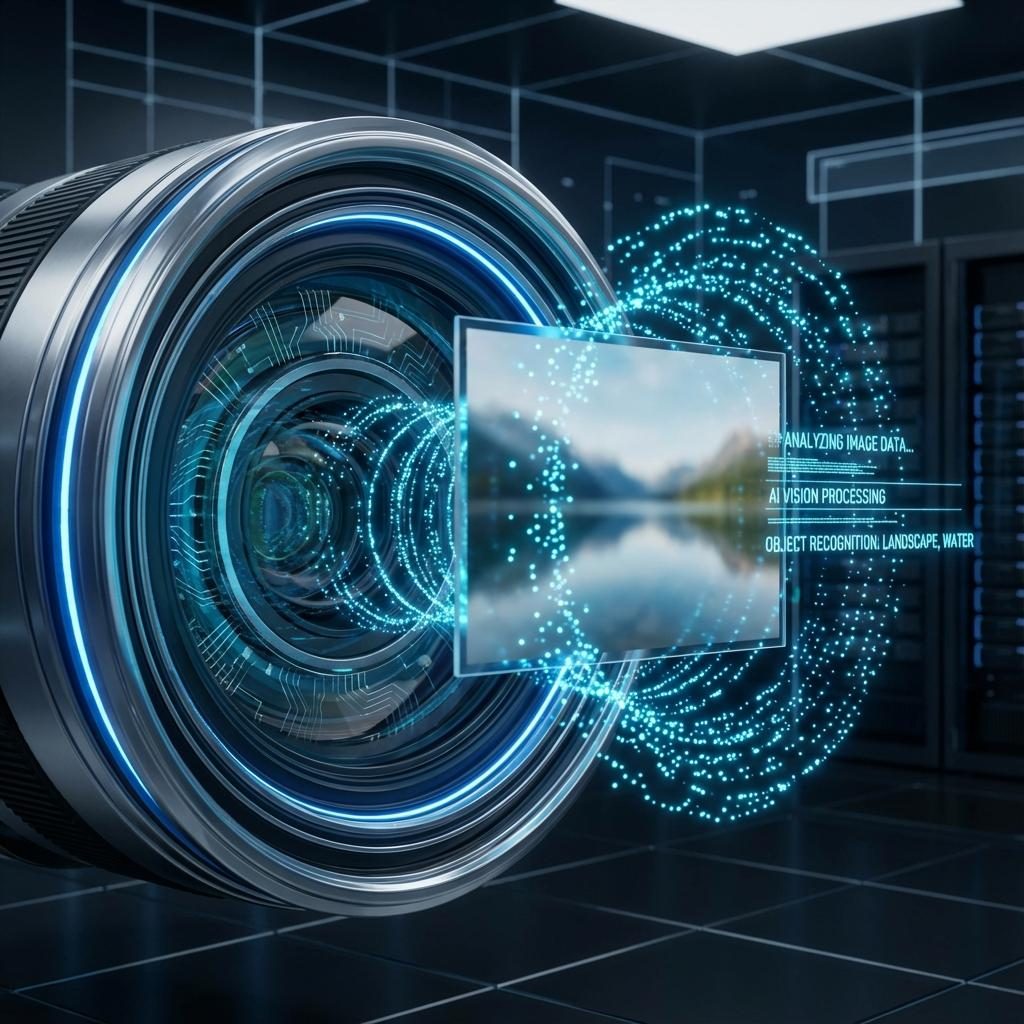
AI Does Not Make Poor Optics Disappear
It is tempting to think that increasingly powerful AI models will compensate for mediocre cameras.
Sometimes computational photography can help.
Noise reduction can improve an image.
Sharpening can make edges look stronger.
AI enhancement can reconstruct visually plausible details.
But there is a difference between making an image look better and capturing more real information.
If an object is severely blurred because of poor optical resolution, software cannot reliably recreate the original fine details.
If a night image contains almost no usable signal, an algorithm cannot simply invent reliable visual evidence.
This is particularly important for security and industrial applications where the image is not being viewed for entertainment.
It is being used to make decisions.
Low-Light Performance Is Becoming an AI Requirement
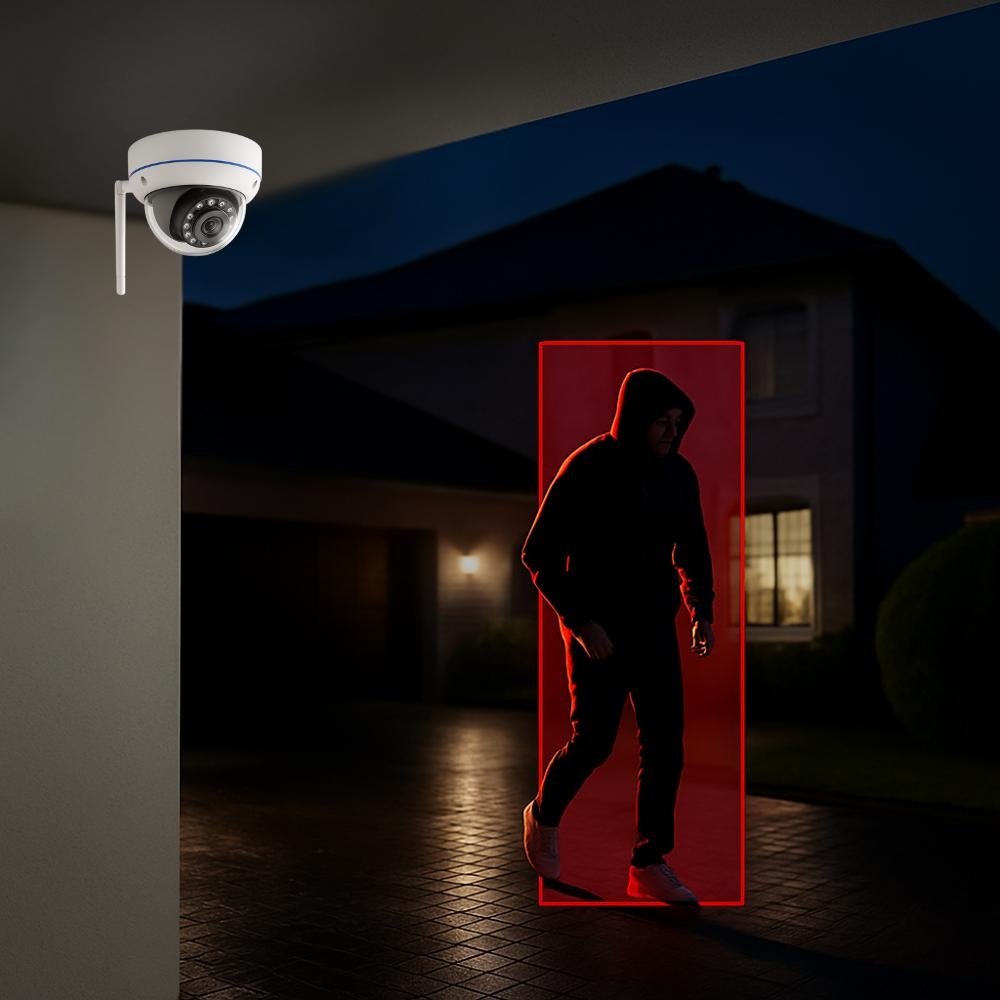
One of the biggest challenges for AI cameras is low light.
Humans can often make reasonable judgments in dim environments.
Computer vision systems are less forgiving.
As illumination decreases, cameras typically face:
Increased sensor noise
Lower contrast
Motion blur
Loss of color information
Reduced edge definition
These problems can directly affect AI detection and classification.
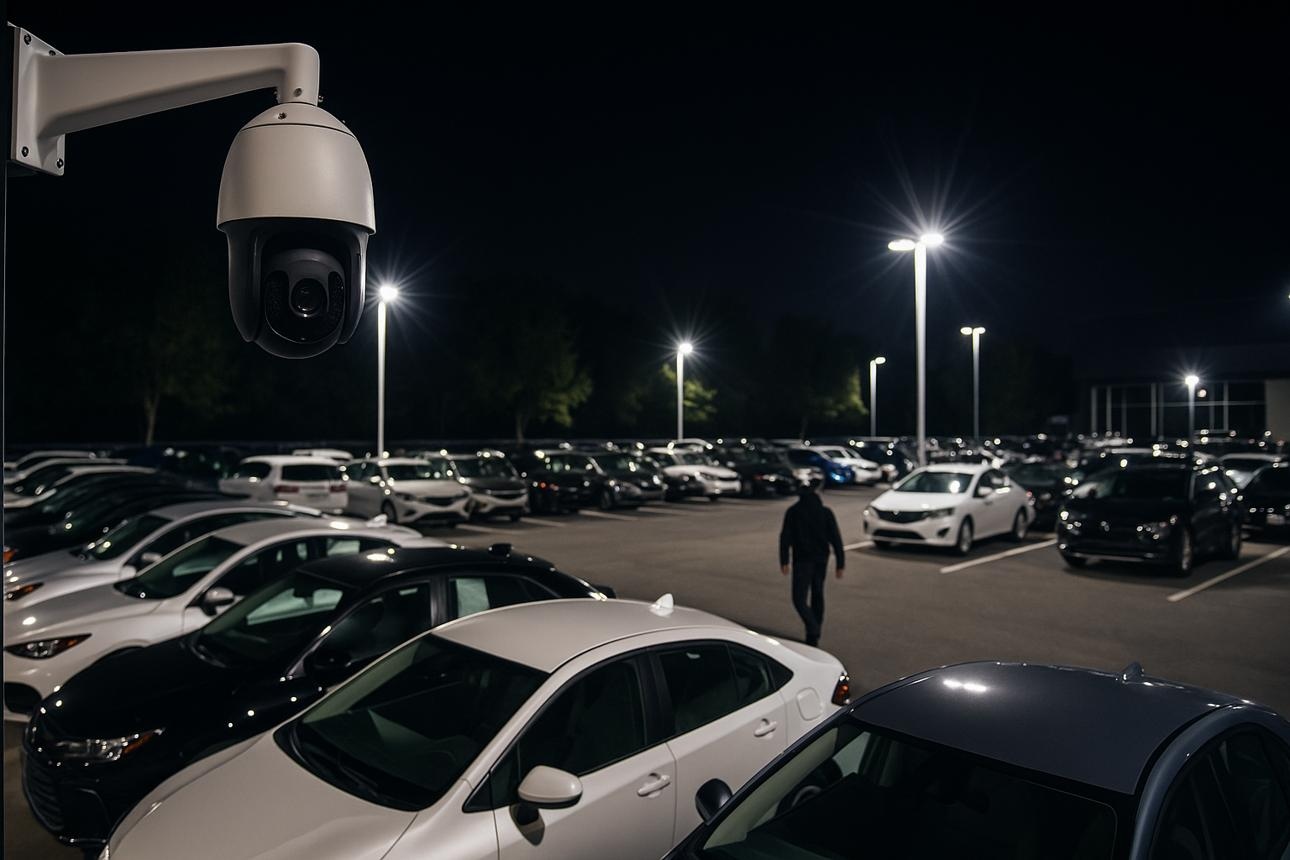
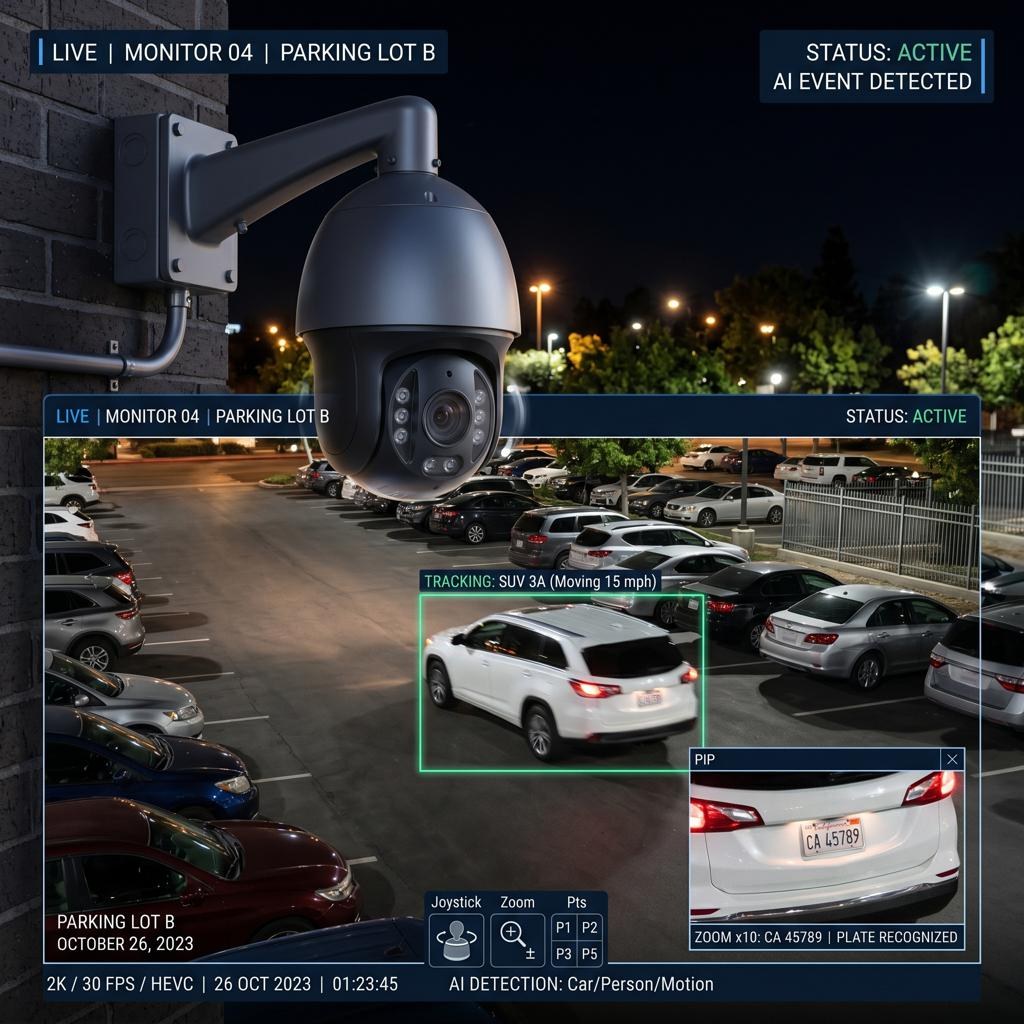
Consider a person walking through a parking lot at night.
In a bright scene, the AI may have clear information about the person's outline, clothing, movement, and surroundings.
In a poorly illuminated scene, the same person may become a noisy silhouette.
The algorithm has not suddenly become stupid.
The input simply became much harder to interpret.
This is one reason large-aperture and low-light optical designs are becoming increasingly relevant to AI vision systems.
Smaller Pixels Create Bigger Optical Demands
Modern sensors continue to increase pixel density.
That creates more image data, but it also places greater demands on the lens.
Smaller pixels can require the optical system to resolve finer spatial detail.
If the lens cannot keep up, adding pixels produces diminishing returns.
This is especially important for AI cameras because the system may depend on relatively small visual features.
A human may recognize an object from its general shape.
An AI model may rely on subtle patterns, edges, textures, or color relationships.
The lens therefore needs to deliver a clean enough image for these features to survive the entire imaging pipeline.
This is one reason optical design and sensor selection increasingly need to happen together.
Wide-Angle Lenses Create an Interesting AI Trade-Off
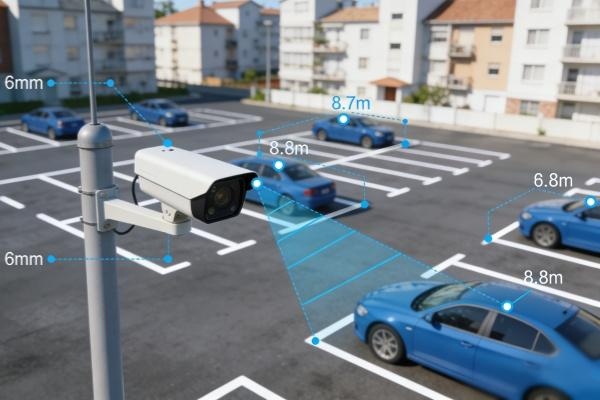
AI cameras often need a wide field of view.
Robots need to understand their surroundings.
Drones need situational awareness.
Security cameras need to cover large areas.
So why not simply make the lens wider?
Because wide-angle optics introduce their own challenges.
As the field of view increases, designers must manage:
Distortion
Edge resolution
Relative illumination
Chromatic aberration
Image geometry
A very wide lens may capture more of the environment but produce weaker image quality near the edges.
For human viewing, that may be acceptable.
For AI, it can become more complicated.
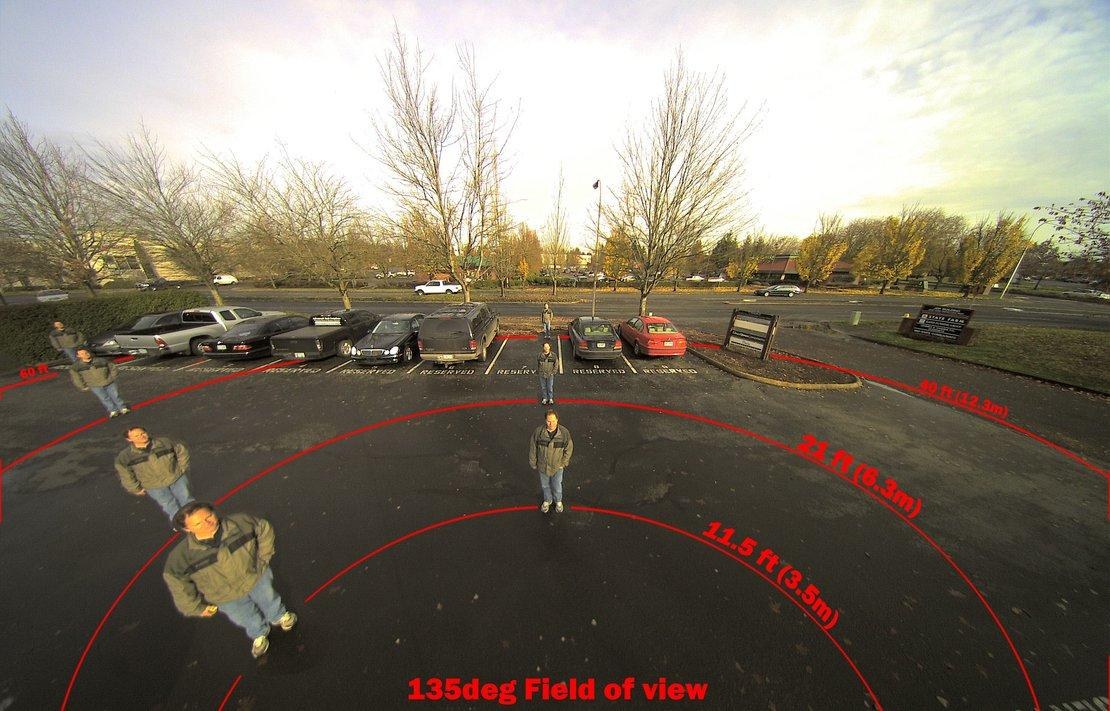
If objects near the edge of the image are heavily distorted or blurred, the algorithm is being asked to interpret visual information that is already degraded.
This creates a fundamental design trade-off:
More field of view versus more usable detail.
The correct answer depends on the application.
Robotics: Lenses Are Becoming Part of the Perception System
The rise of embodied AI is pushing this issue even further.
A robot does not have the luxury of asking:
“Can someone please turn on the lights?”
It has to operate in the environment it is given.
That environment may contain:
Shadows
Uneven illumination
Reflective surfaces
Narrow spaces
Moving people
Objects at different distances
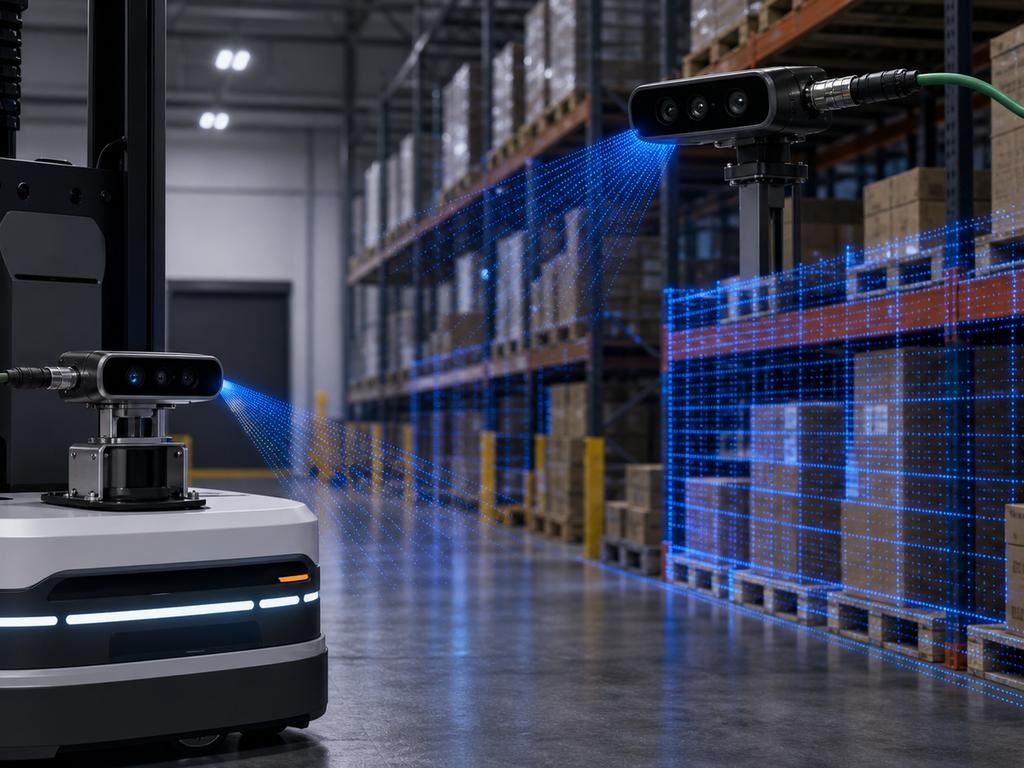
The camera is therefore part of the robot's perception system.
For robotic vision, lens design needs to consider:
Field of view
Distortion
Low-light performance
Resolution
Depth perception requirements
Size and weight
A lens that produces a beautiful laboratory image may not necessarily be the right lens for a moving robot.
Real-world reliability matters more than a perfect demo.
UAVs and Drones Need a Different Optical Balance
Drones create another interesting challenge.
A drone camera may need:
Wide field of view + low weight + good resolution + low-light capability.
That is a difficult combination.
A wide field of view helps the drone understand its environment.
Low weight helps flight efficiency.
Good resolution helps identify objects.
Low-light performance becomes important for dawn, dusk, indoor flight, or difficult weather conditions.
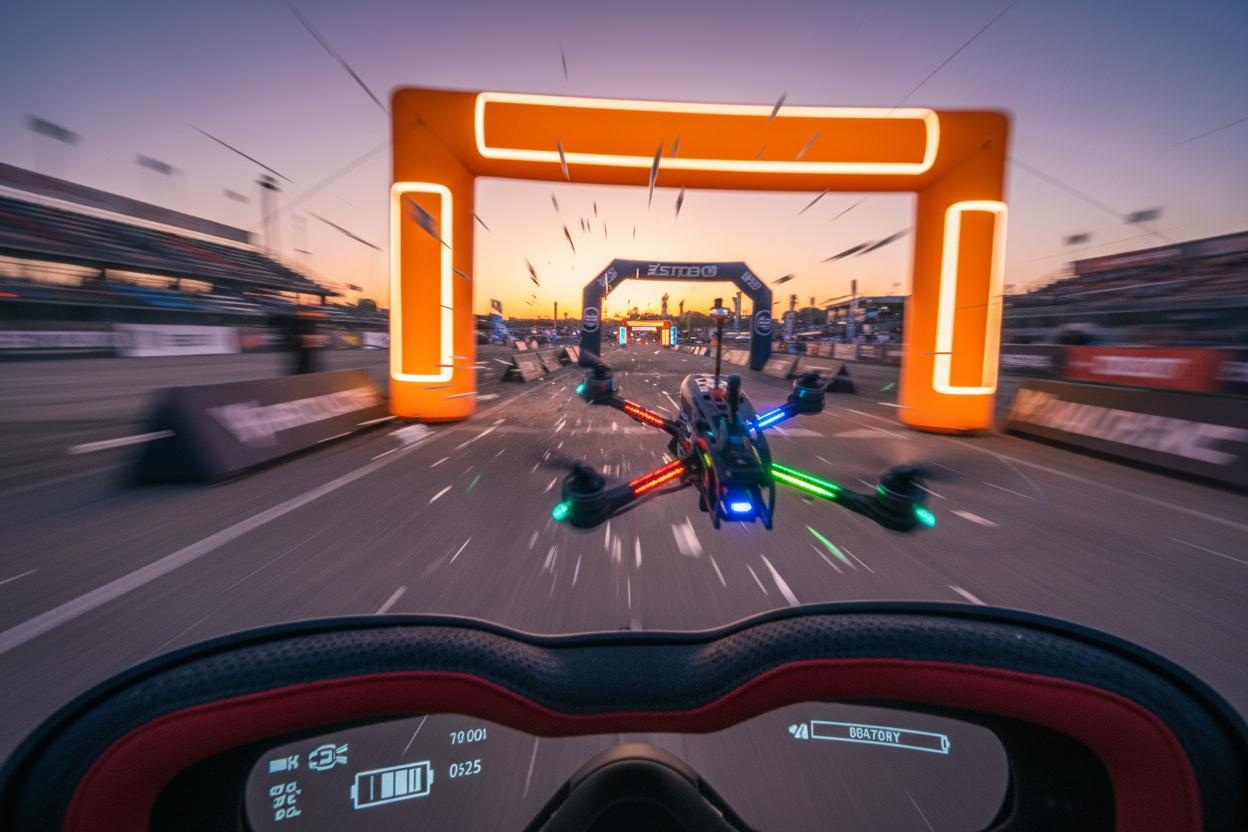
FPV systems add another requirement:
The image needs to feel immediate.
Motion blur, poor exposure, or excessive image distortion can negatively affect the pilot's visual perception.
This is why drone lens design is increasingly becoming an optimization problem rather than simply a focal-length selection.
AI Surveillance Is Moving From Detection to Understanding
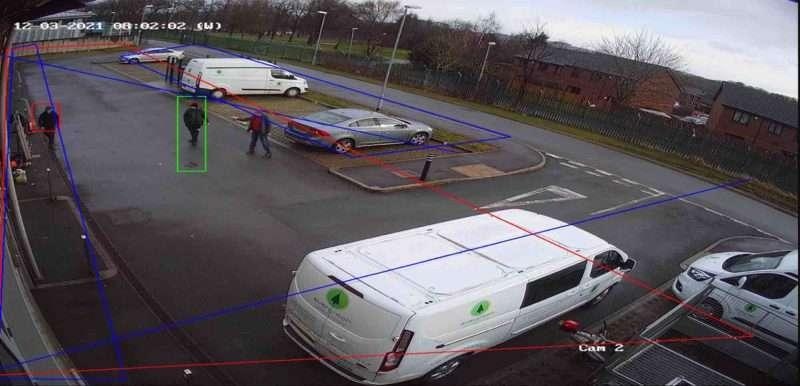
Security cameras provide one of the clearest examples of this transition.
Traditional surveillance asked:
“Did something move?”
Modern AI surveillance asks:
Who moved?
What vehicle is this?
What direction is it traveling?
What object is being carried?
Is the behavior unusual?
What happened before and after the event?
The more advanced the analytics become, the more valuable the original image becomes.
This is why full-color low-light imaging is attracting attention.
Color can provide useful information for:
Vehicle classification
Clothing identification
Object recognition
Scene understanding
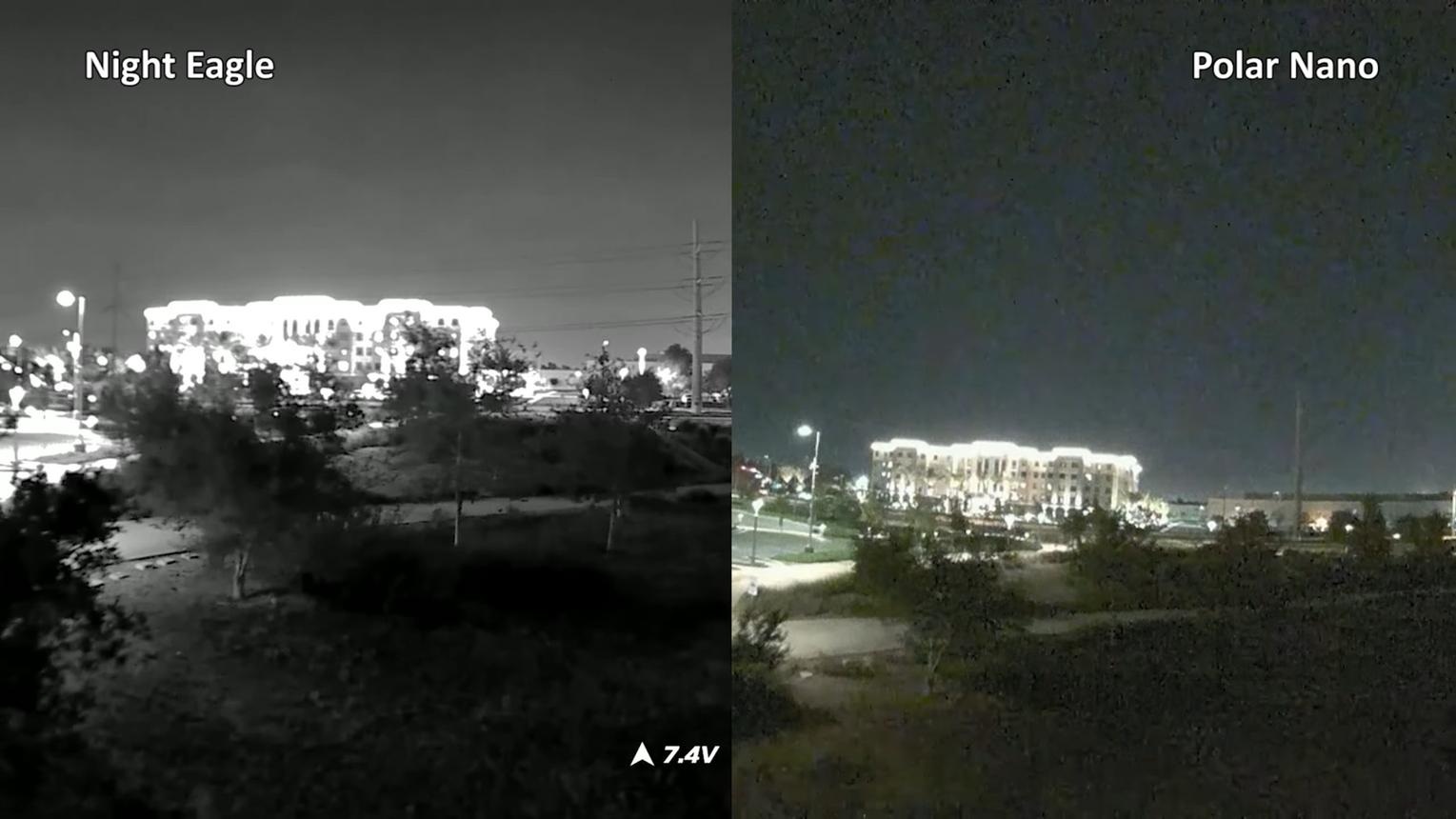
Infrared remains extremely useful in very dark environments, but when visible ambient light is available, a large-aperture optical system can help preserve information that would otherwise disappear when a camera switches to monochrome night vision.
The Lens Is Becoming a Data-Quality Component
This is perhaps the biggest change AI is bringing to optical engineering.
Historically, lenses were often treated as imaging components.
Now they should increasingly be considered data-quality components.
The camera captures data.
The lens determines how much useful optical information reaches the sensor.
The sensor converts that information into electrical signals.
The ISP processes it.
The AI model interprets it.
If the first stage is weak, every stage afterward has to work harder.
That is not always a good strategy.
It is usually better to capture better information at the beginning than to spend enormous computational resources trying to repair it afterward.
What Does This Mean for Lens Design?
Future AI camera lenses are likely to be designed increasingly around application requirements rather than isolated specifications.
Engineers may need to consider:
Sensor-specific optical design
Instead of simply supporting a sensor format, lenses need to match the actual sensor characteristics.
Better low-light performance
AI systems need usable visual information even when illumination is limited.
More consistent edge performance
Wide-angle systems need usable information across the image, not just at the center.
Controlled distortion
Some applications can tolerate distortion. Others cannot.
Thermal stability
Robots, vehicles, drones, and outdoor cameras may operate across large temperature ranges.
Application-specific optimization
The ideal security lens is not necessarily the ideal robotics lens.
The future belongs to optical systems designed around the job they need to perform.
What We Are Learning at Boshi Optics
At Boshi Optics, we work across security surveillance, automotive imaging, medical imaging, smart devices, and other optical applications. This range of applications makes one thing particularly obvious:
There is no universal definition of a “good lens.”
A wide-angle lens may be excellent for one camera and completely unsuitable for another.
A high-resolution lens may be unnecessary for a low-cost monitoring system but essential for machine vision.
A large-aperture lens may be critical for a night surveillance application but less important in a controlled industrial environment.
This application-first approach is increasingly important as cameras become part of AI systems.
The lens should be designed around the information the AI needs to receive—not simply around the specifications that look impressive on a product sheet.
The Future: From “Seeing Clearly” to “Seeing Usefully”
AI is changing the purpose of cameras.
A camera no longer exists simply to produce an attractive image.
It exists to provide information.
That changes the optical priorities.
The question is no longer just:
“How sharp is this lens?”
It becomes:
“Does this lens provide reliable visual information for the system's actual task?”
For security, that may mean preserving a person's appearance at night.
For robotics, it may mean maintaining object recognition across a wide field of view.
For drones, it may mean balancing wide-angle perception with low-light performance.
For industrial vision, it may mean resolving tiny defects consistently.
The AI revolution may be driven by algorithms, but algorithms still need something to look at.
And that is why the future of AI vision will also be shaped by optics.