
2026 Optical Lens Market White Paper: Beyond Large Apertures and Ultra-HD, Where is the Next Battlefield?
Battlefield 1: "AI-Native" Optics (Designing for Algorithms, Not Human Eyes)
Historically, lenses were designed to make an image look good to a human security guard staring at a monitor. But in 2026, humans aren't watching the footage—Neural Networks and AI-ISPs (Image Signal Processors) are.
AI does not care if the sky looks perfectly blue. AI cares about edge contrast, depth data, and the absolute elimination of optical noise. When you feed a machine vision algorithm bad optical data, it hallucinates or fails.
The New Standard: We are moving into the era of "AI-Native Optics." This means optical engineers must strictly control invisible metrics that algorithms hate:
-
Zero Chromatic Aberration (Color Fringing): AI struggles to read a license plate if the letters have a purple halo around them.
-
Strict CRA (Chief Ray Angle) Matching: As we've discussed before, keeping CRA < 15° prevents pixel crosstalk, feeding the AI pure, unmixed data.
-
Stray Light Suppression: Advanced internal coatings to ensure that a rogue streetlight doesn't cause a lens flare that blinds the facial recognition software.
The next battlefield is manufacturing lenses that act as the perfect, flawless data-funnel for artificial intelligence.

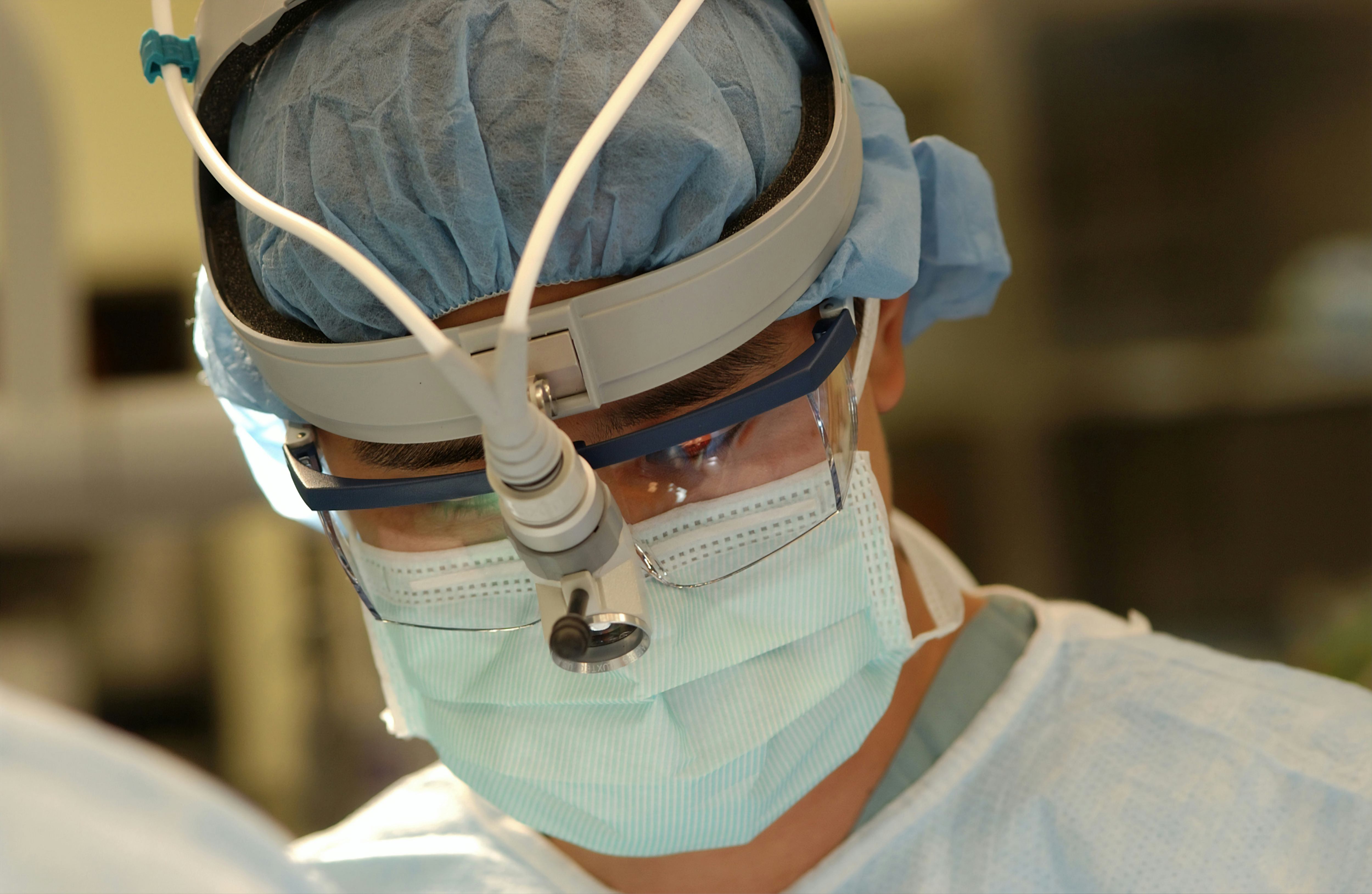
Battlefield 2: The Sub-Millimeter Frontier (Medical & Industrial Endoscopes)
While security lenses are getting larger to capture more light, a massive, highly profitable sector is racing in the exact opposite direction: Extreme Miniaturization.
The demand for minimally invasive medical surgeries and high-precision industrial inspection (looking inside engine blocks or microchips) is skyrocketing. This requires Endoscope Lenses.
The New Standard: You can no longer just shrink a standard lens design. When you are dealing with lenses that are 1mm to 3mm in diameter, the physics of manufacturing completely changes.
-
Wafer-Level Optics (WLO): Manufacturing microscopic glass and polymer lenses with sub-micron tolerances.
-
Integrated Lighting: Designing lenses that can operate perfectly alongside microscopic fiber-optic illumination without glare.
-
Bio-compatibility and Sterilization: Medical lenses must survive harsh chemical cleanings and high-temperature autoclaves without the optical cement failing.
At Shanghai Silk Optical, our engineering teams are pushing the boundaries of what is physically possible in these sub-millimeter footprints, providing OEM solutions for the next generation of medical and industrial probes.
Battlefield 3: Extreme Environmental Durability (The Robotics & AGV Era)
A camera bolted to a ceiling has an easy life. A camera mounted on an Autonomous Mobile Robot (AMR), an agricultural drone, or an off-road Autonomous Guided Vehicle (AGV) is going to war every single day.
As automated robotics take over logistics, manufacturing, and delivery, the lenses acting as their "eyes" are subjected to brutal conditions. Standard security lenses will literally rattle themselves apart or lose focus within weeks.
The New Standard: Mechanical optical engineering is the new differentiator.
-
Anti-Vibration Structures: Aviation-grade aluminum barrels and specialized thread-locking glue to ensure the focal plane never shifts, even after 10,000 hours of warehouse vibrations.
-
Athermalization (Thermal Stability): Using complex 7E All-Glass or hybrid 2G2P structures so that an outdoor delivery robot's lens stays perfectly in focus whether it is delivering soup in a winter blizzard or a summer heatwave.
-
Ultra-Low Distortion: Providing the V-SLAM (Visual Navigation) algorithms with < 1% distortion images, so the robot knows exactly where the walls are without wasting computing power on software corrections.
The Bottom Line: The Era of "Off-The-Shelf" is Over
The optical market of 2026 is brutally unforgiving to generic, off-the-shelf components. The "one-size-fits-all" F2.0 security lens is dead.
Whether you are designing AI-driven smart city infrastructure, microscopic medical tools, or ruggedized warehouse robots, your optical hardware must be as specialized as your software.
This is where we come in. At Shanghai Silk Optical Technology Co., Ltd., we do not just sell glass; we provide comprehensive optical engineering. We specialize in deep ODM/OEM customization across security, robotics, and endoscopic fields. We build the exact lens your specific algorithm and environment demands.
(Ready to arm your 2026 product line with the optics it deserves? Contact our engineering team today to discuss your non-standard customized lens requirements.)