
Can Software Fix a Bad Camera Lens
Modern cameras can do some impressive things.
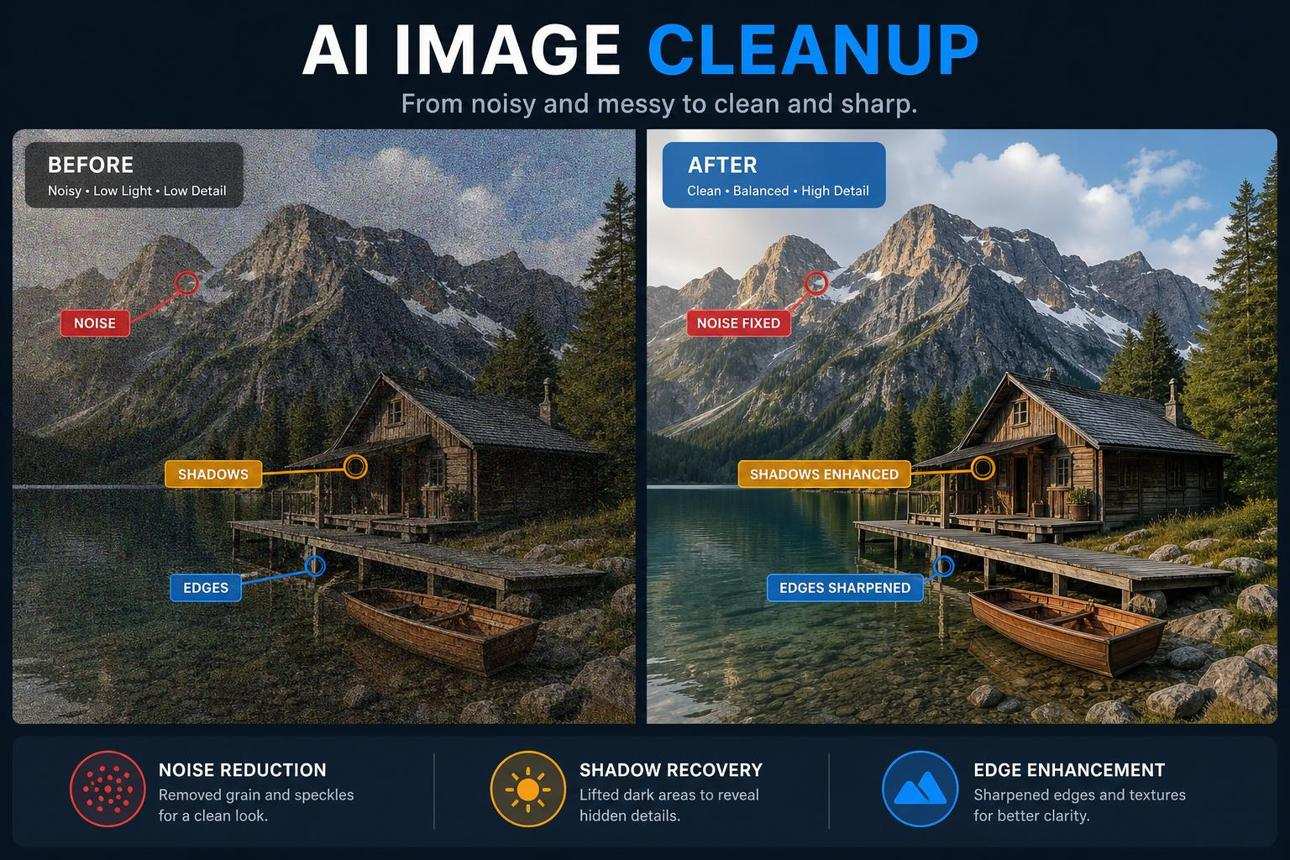
Noise reduction can make a dark image look cleaner. AI algorithms can sharpen edges. Software can correct distortion, adjust color, and even generate missing-looking details.
So naturally, someone eventually asks:
If software is getting this good, do we still need an expensive camera lens?
Short answer:
Yes. Very much so.
Software can improve a mediocre image.
It cannot reliably turn bad optical information into good optical information.
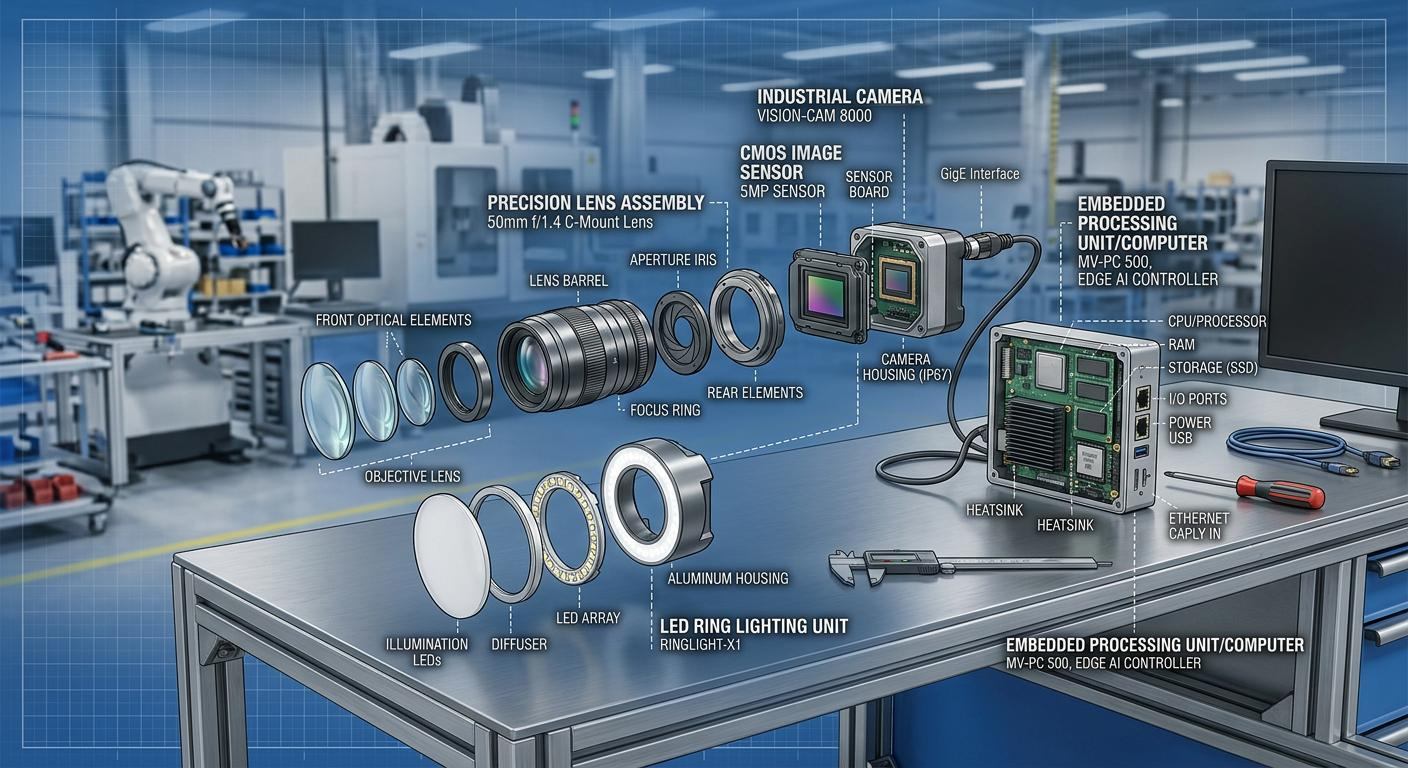
And that distinction matters more than ever as cameras are being used for AI recognition, robotics, surveillance, automotive imaging, and machine vision.
Software Is Very Good at Cleaning Up a Mess
Let's give software some credit first.
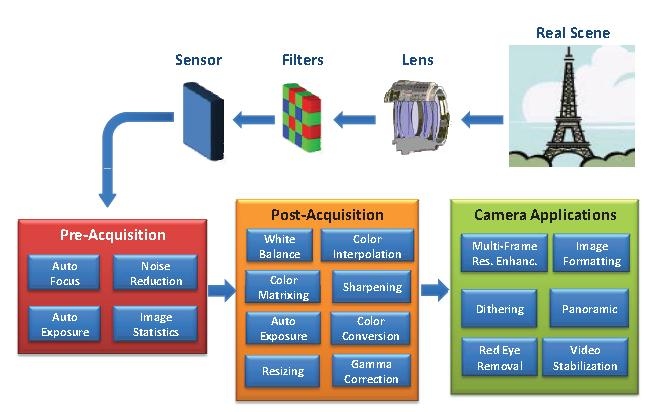
Modern image processing can do a lot.
If an image contains noise, algorithms can reduce it.
If lens distortion is predictable, software can correct the geometry.
If an image has slightly weak contrast, sharpening and local contrast enhancement can make it look better.
Color processing can also compensate for certain characteristics of the imaging system.
This is incredibly useful.
In fact, modern cameras would be much worse without computational imaging.
But there is an important limit:
Software can process information. It cannot perfectly recover information that the optical system never captured.
That is where the lens comes in.
You Can't Sharpen What Was Never Resolved
Imagine photographing a license plate from a distance.
The sensor has enough pixels.
The camera is properly exposed.
But the lens cannot resolve the small characters clearly.
The characters arrive at the sensor as blurry shapes.
Now apply sharpening.
The edges may look stronger.
Apply AI enhancement.
The result may look even more convincing.
But there is a problem.
The original fine detail was never properly recorded.
The software is estimating what the detail might have looked like.
For a casual photograph, that may be perfectly acceptable.
For applications such as license plate recognition, facial recognition, industrial inspection, or machine vision, “looks plausible” and “contains reliable information” are not necessarily the same thing.
That difference is important.
MTF Is Where the Argument Gets Serious
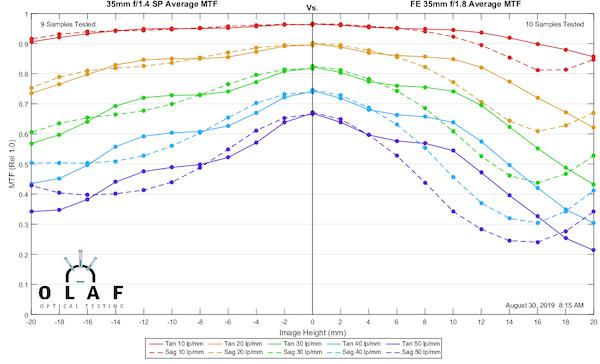
This is one reason optical engineers pay attention to MTF (Modulation Transfer Function).
MTF describes how effectively a lens preserves contrast at different levels of detail.
A lens with poor high-frequency performance may struggle to reproduce very fine structures.
No amount of post-processing can magically make that lens behave like a fundamentally better optical system.
Software can increase the apparent sharpness.
It cannot change the physical resolving capability of the lens.
This is why a camera with an 8MP sensor can still produce disappointing detail if the optical system is not capable of taking advantage of those pixels.
You can have eight million pixels.
You cannot force a blurry lens to deliver eight million useful details.
What About AI Image Enhancement?
This is where things become especially interesting.
AI-based image enhancement can sometimes produce remarkably convincing results.
But there is a subtle distinction between:
recovering information
and
generating a likely result.
AI can infer patterns based on what it has learned.
That can make an image look significantly better to a human viewer.
But if the camera is being used to make an objective decision, engineers need to be careful.
For example, if an AI system is identifying a vehicle, reading text, or inspecting a manufacturing defect, artificially generated details may not always represent what was actually present in the scene.
In other words:
A beautiful image is not automatically a reliable image.
That is a distinction worth remembering when designing AI vision systems.
There Are Some Problems Software Simply Can't Undo
Consider several common optical problems.
Poor Resolution
If the lens cannot resolve fine details, software has limited real information to work with.
Insufficient Light
A slow lens in a dark environment may force the sensor to operate at high gain, producing noise and reducing usable detail.
Software can reduce the noise, but aggressive noise reduction can also remove fine information.
Severe Chromatic Aberration
Software can correct some predictable color fringing, but severe optical aberration still means the original image quality has been compromised.
Poor Edge Performance
If the corners of a wide-angle image are heavily blurred, digital sharpening may make them look more contrasty without restoring the missing detail.
Flare and Ghosting
Strong reflections inside the optical system can contaminate the image. Once unwanted light has mixed into the captured signal, software has very limited ability to separate it perfectly.
This is why optical design still matters.
The Best Camera Uses Both Optics and Software
The real answer isn't:
Optics vs. software.
It is:
Optics + software.
A well-designed camera gives software a good starting point.
The lens provides:
Sufficient resolution
Adequate light transmission
Controlled distortion
Good contrast
Stable edge performance
Appropriate sensor matching
Then image processing can take that strong optical foundation and make the final image even better.
This is much more effective than asking software to rescue a fundamentally weak optical system.
Think of it like cooking.
Software is the seasoning.
A good algorithm can make a good image better.
But if the ingredients are already burnt, adding more seasoning is probably not the solution.
This Matters Even More for AI Cameras
For traditional photography, a slightly imperfect image may simply be unattractive.
For AI vision, the consequences can be more serious.
AI algorithms depend on visual features such as:
Edges
Shapes
Textures
Contrast
Color
Object boundaries
If the optical system destroys these features before they reach the sensor, the AI system receives poorer input.
That can affect detection and recognition performance.
This is why optical design should increasingly be considered part of the AI system—not merely a component attached to the front of a camera.
So, Can Software Fix a Bad Lens?
It depends on what you mean by “fix.”
Software can correct certain predictable optical characteristics.
It can improve contrast.
It can reduce noise.
It can sharpen images.
It can correct distortion.
But software cannot completely replace:
Good optical resolution.
Good light transmission.
Good optical alignment.
Good aberration control.
The best image-processing algorithm in the world still needs photons to work with.
And those photons have to travel through the lens first.
At Boshi Optics, we approach camera lens development from that starting point: the optical system needs to provide useful information before software begins processing it. With optical design, manufacturing, assembly, and optical testing capabilities, Boshi Optics develops lenses for applications including security cameras, AI vision, automotive imaging, drones, medical imaging, and other camera systems.
Because in the end, software can improve an image.
But the lens decides what information gets there in the first place.