

How Does a Camera Lens Work?
Summary: Understanding how a camera lens functions is crucial for both professional photographers and hobbyists. From selecting the right lens type to mastering its optical properties, this guide will walk you through essential concepts, features, and troubleshooting tips to improve your photography results.
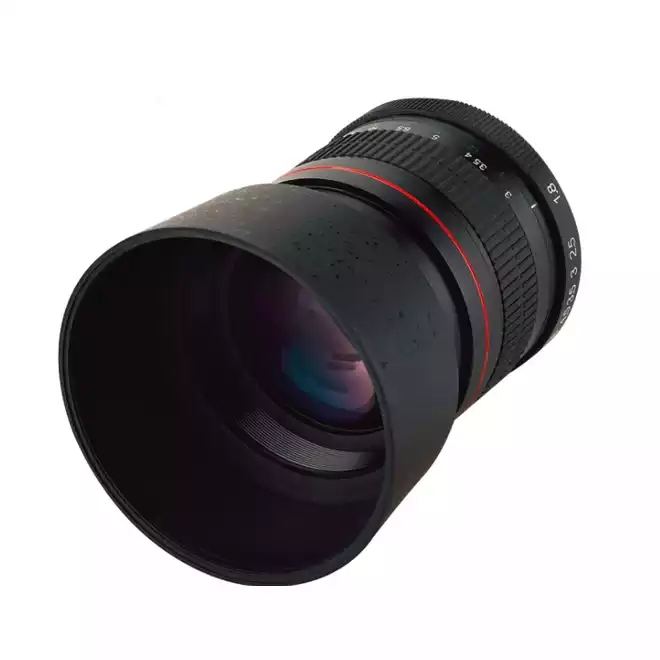
Table of Contents
- Introduction to Camera Lenses
- Types of Camera Lenses
- Key Components and Features
- Choosing the Right Lens
- Maintenance and Care Tips
- Frequently Asked Questions
Introduction to Camera Lenses
A camera lens is more than just a piece of glass. It is the bridge between light entering the camera and the image sensor that records the photograph. Lenses control focus, exposure, and depth of field, and their quality directly impacts image sharpness and clarity.
Understanding the science behind lenses helps photographers make informed decisions about equipment and shooting techniques. Modern lenses incorporate complex optical designs to reduce distortions, chromatic aberrations, and other visual imperfections.
Types of Camera Lenses
Camera lenses are categorized by their focal length, aperture, and optical design. Each type serves a specific purpose:
- Prime Lenses: Fixed focal length, superior sharpness, and wide apertures.
- Zoom Lenses: Variable focal lengths, flexible composition without changing lenses.
- Wide-Angle Lenses: Expansive field of view, ideal for landscapes and architecture.
- Telephoto Lenses: Long focal length, suitable for wildlife, sports, and distant subjects.
- Macro Lenses: Extreme close-up photography with intricate detail capture.
- Specialty Lenses: Fisheye, tilt-shift, and portrait lenses for creative effects.
| Lens Type | Focal Length | Best Use |
|---|---|---|
| Prime | 35mm, 50mm | Portraits, low-light photography |
| Zoom | 24-70mm, 70-200mm | Versatile for events and travel |
| Wide-Angle | 10-24mm | Landscapes, architecture |
| Telephoto | 100-400mm | Wildlife, sports |
| Macro | 90-105mm | Close-up details |
Key Components and Features
A camera lens consists of several critical components that influence image quality:
- Glass Elements: Precision-cut lenses arranged to reduce distortion.
- Aperture: Adjustable diaphragm controlling light intake and depth of field.
- Focus Mechanism: Manual or autofocus systems ensuring sharp images.
- Coatings: Anti-reflective coatings that minimize glare and improve contrast.
- Lens Mount: Interface connecting the lens to the camera body.
Understanding these components allows photographers to identify lens performance, limitations, and compatibility with different camera systems.
Choosing the Right Lens
Selecting the appropriate lens depends on your photography style, subjects, and budget. Consider the following:
- Purpose: Portraits, landscapes, wildlife, or macro photography.
- Aperture Size: Wider apertures for low-light and bokeh effects.
- Weight and Portability: Travel-friendly lenses vs. professional heavy-duty options.
- Compatibility: Ensure lens fits your camera mount and sensor size.
- Optical Quality: Look for reviews and MTF charts showing sharpness and chromatic aberration.
Pro Tip: Investing in high-quality lenses often improves your images more than upgrading camera bodies.
Maintenance and Care Tips
Proper lens maintenance is essential to preserve image quality and prolong lifespan:
- Always use lens caps when not in use.
- Clean lenses with a microfiber cloth and appropriate lens solution.
- Avoid touching the glass elements with fingers.
- Store lenses in a dry, dust-free environment.
- Regularly check for fungus or scratches, especially after outdoor use.
Following these tips ensures your lens performs at its best and avoids costly repairs.
Frequently Asked Questions
Q1: What is the difference between prime and zoom lenses?
A1: Prime lenses have a fixed focal length offering better sharpness and wider apertures, while zoom lenses provide flexibility to change focal length without switching lenses.
Q2: Can I use any lens on my camera?
A2: Lenses must match your camera's mount and sensor size. Check manufacturer specifications to ensure compatibility.
Q3: How does aperture affect my photos?
A3: Aperture controls light intake and depth of field. A wider aperture allows more light and a shallower depth of field, creating a blurred background effect.
Q4: What is lens coating and why is it important?
A4: Lens coatings reduce reflections, glare, and chromatic aberrations, improving image clarity and contrast.
Q5: How often should I clean my lens?
A5: Clean lenses when necessary using proper tools. Frequent cleaning with harsh methods can damage coatings, so handle with care.
Discover high-quality camera lenses with precision optics by Shanghai Silk Optical. Enhance your photography experience today and contact us for expert guidance and professional solutions.