

News
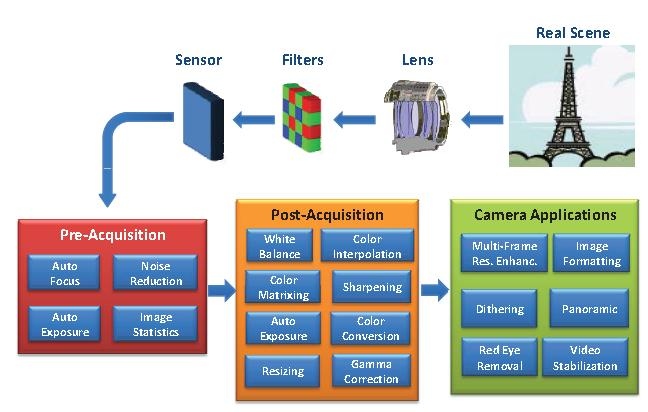
Can Software Fix a Bad Camera Lens
Software can correct distortion, reduce noise, and sharpen edges, but it cannot recover fine detail that a poor lens never resolved. MTF performance determines how much contrast and detail the optical system delivers to the sensor. AI enhancement can generate plausible results, but for security, aut......
Read More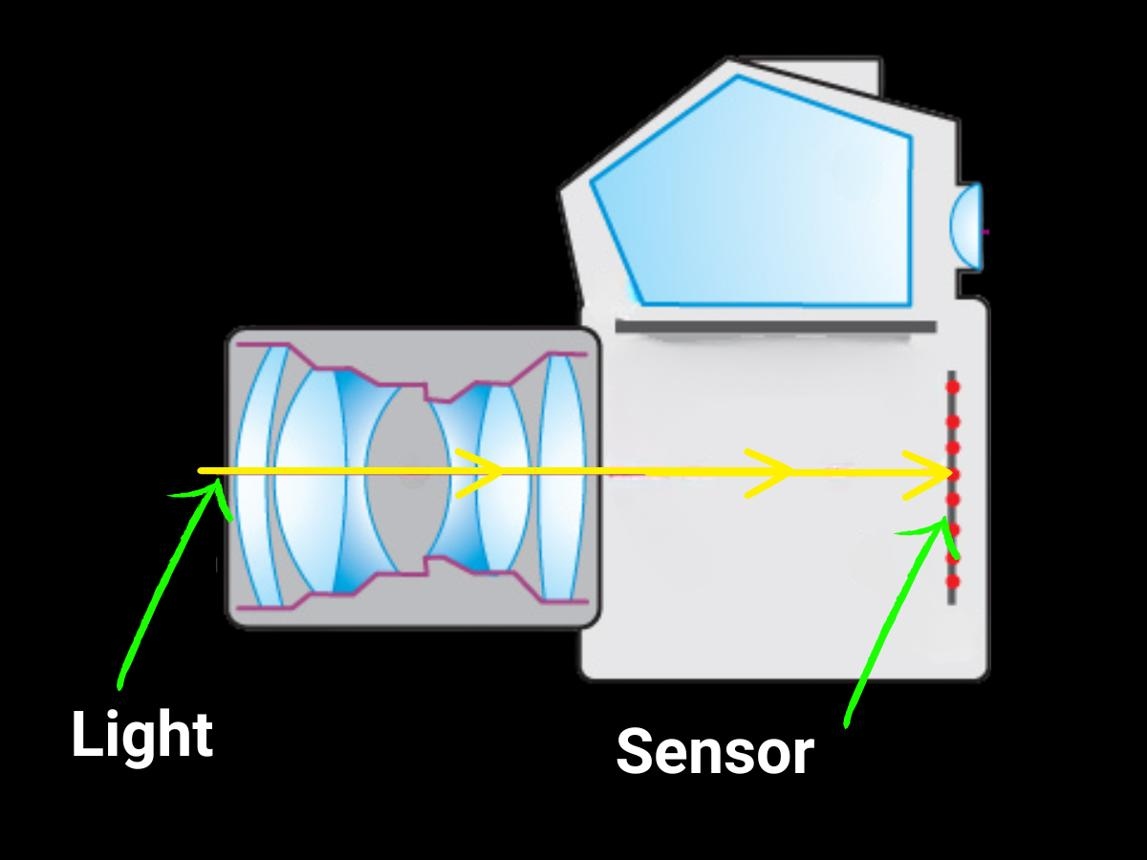
What Happens to a Camera Lens Before It Reaches the Sensor?
A camera lens does more than "focus light"—it manages light through multiple optical elements, controlling refraction, aperture, aberrations, and chief ray angle (CRA) to deliver a usable image to the sensor. The image circle must cover the sensor; edge performance and MTF matter as much as center s......
Read More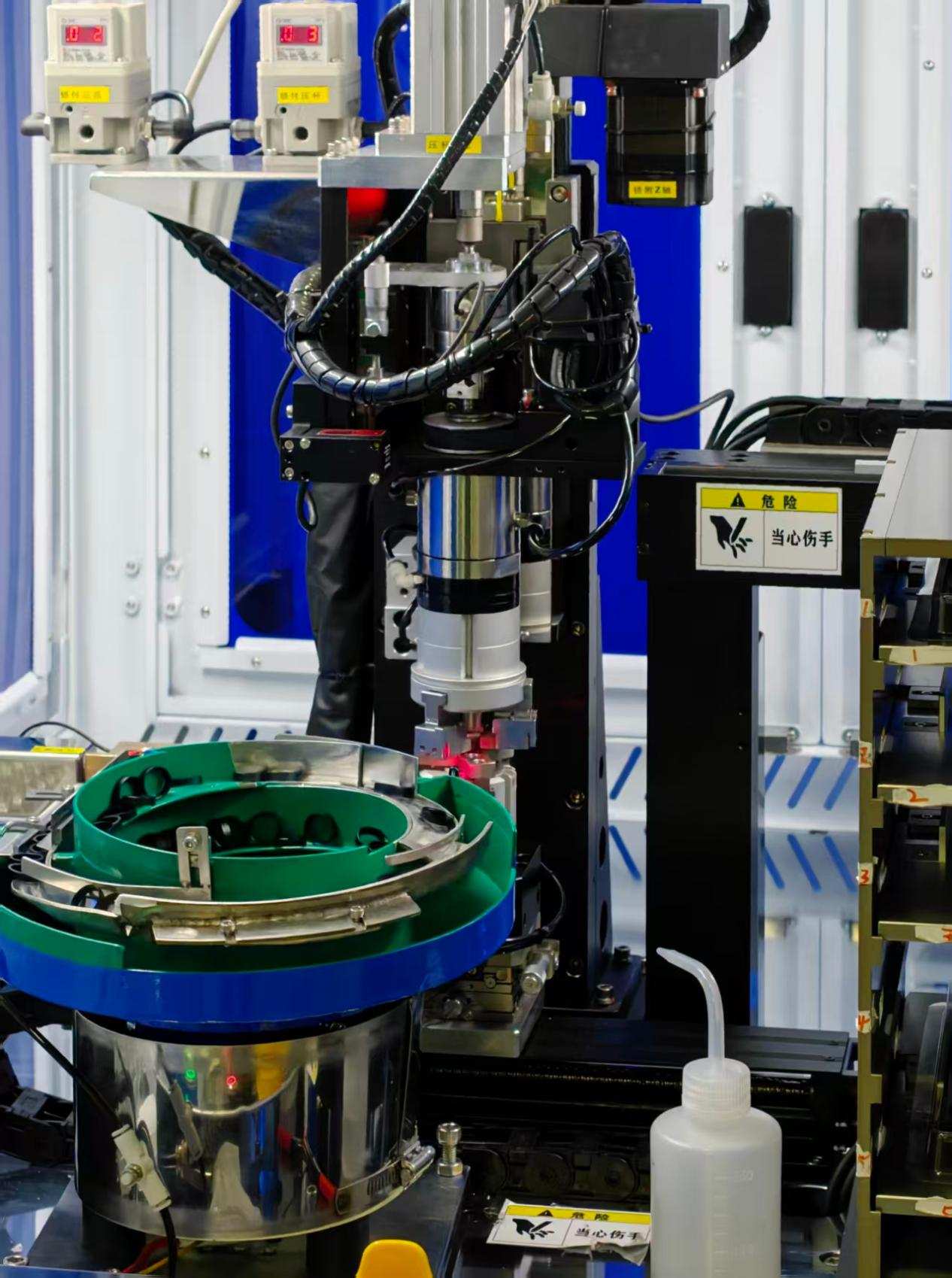
How to Choose a Reliable Optical Lens Manufacturer: Beyond Price and Delivery
Choosing an optical lens manufacturer requires evaluating more than price and delivery. Key factors include optical design capability, manufacturing experience, testing infrastructure (MTF, resolution, alignment), OEM/ODM flexibility, quality management, and engineering communication. A reliable sup......
Read More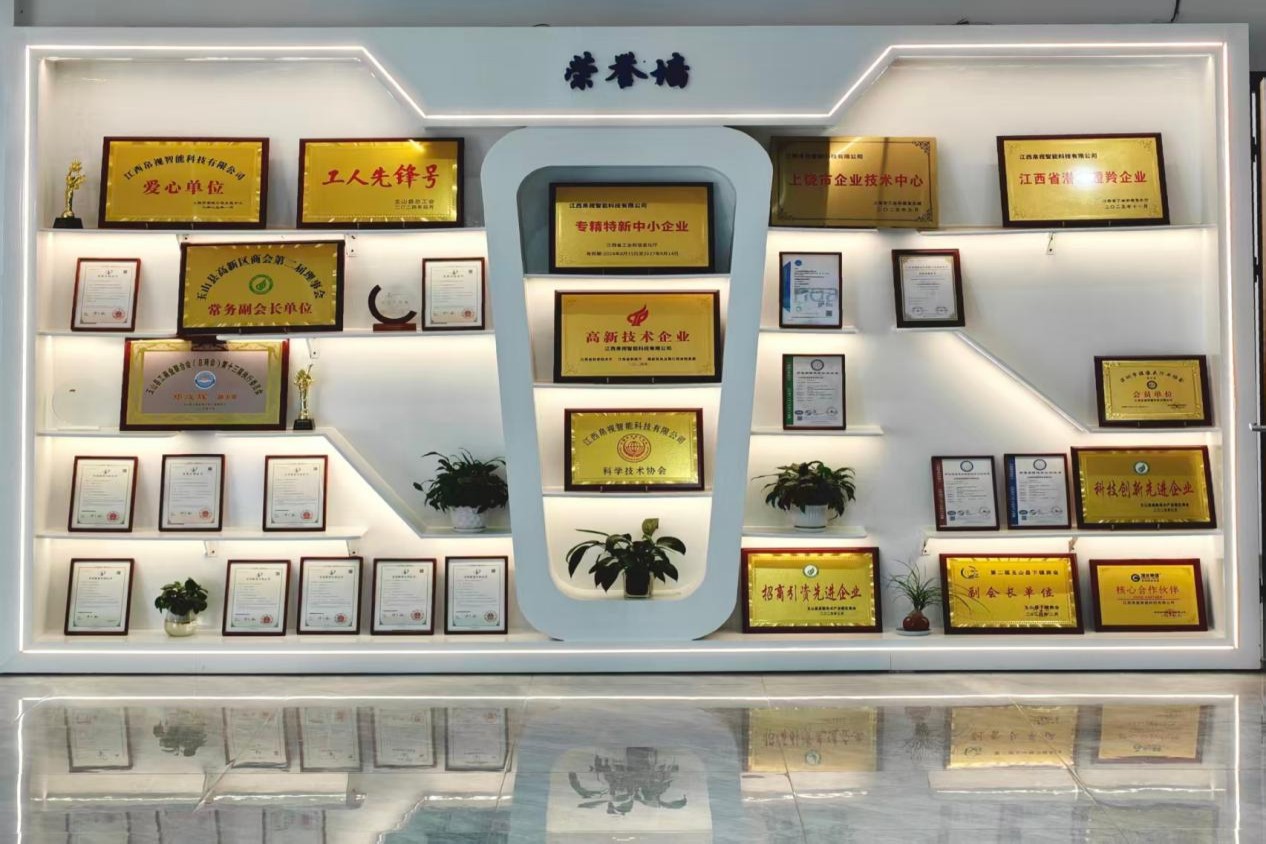
Inside an Optical Lens Factory: From Design to Mass Production
This article outlines the full journey of optical lens manufacturing, from application analysis and optical design to prototype testing, precision manufacturing, assembly, and quality control. Each stage—material selection, coating, alignment, and MTF testing—affects final image quality. Consistency......
Read More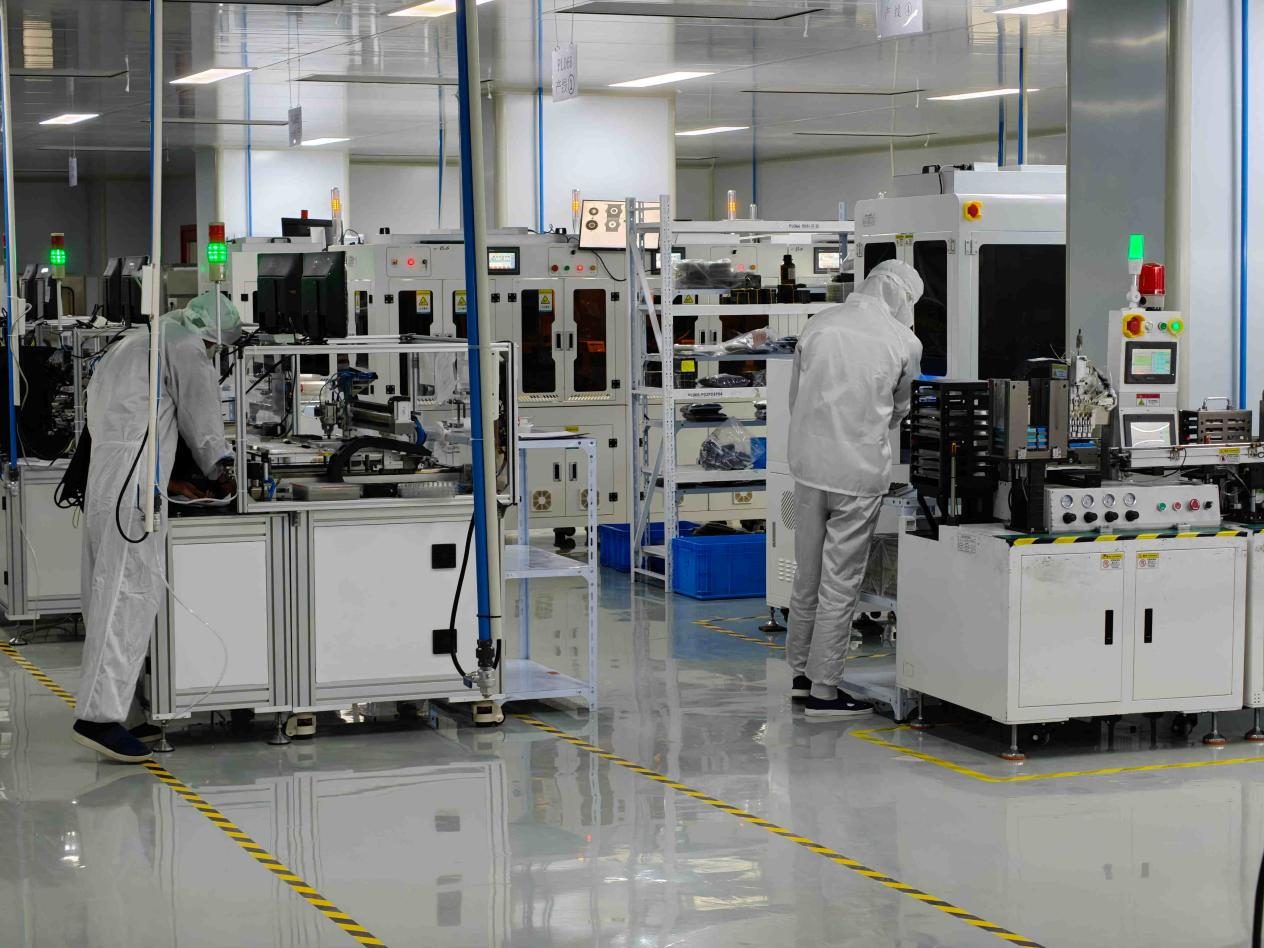
What Makes a Reliable Optical Lens Manufacturer? 7 Factors to Check
This guide outlines seven factors for evaluating optical lens manufacturers: optical design capability, prototype development, manufacturing capacity, MTF testing, quality management systems, OEM/ODM flexibility, and mass-production consistency. A reliable supplier should explain sensor matching, pr......
Read More
Why AI Cameras Are Changing the Way Lenses Are Designed
AI cameras demand more than high resolution—they require optical systems that deliver usable data for algorithms. Low-light performance, edge consistency, and distortion control directly affect detection and classification. Smaller pixels increase lens demands, while wide-angle designs introduce tra......
Read More